










Finding the balance between functionality and aesthetics is the hardest part of interior design. You usually have two distinct needs: a place to hide the ugly but necessary items like charging cables, board games, or paperwork, and a place to showcase the things that make you happy, like books, plants, and travel souvenirs. The most effective solution isn't buying separate pieces of furniture for each purpose. Instead, integrating cabinets and shelves into a single vertical footprint solves both problems simultaneously. By grounding the room with closed storage at the bottom and keeping the visual weight light with open shelving above, you maximize square footage without making the room feel claustrophobic.
Why the Shelf-Cabinet Hybrid Wins Every Time
I learned this lesson the hard way in my first apartment. I bought a massive, open-concept metal shelving unit because it looked industrial and trendy. Within two months, it looked like a disaster. My router wires were visible, my stacks of printer paper looked messy, and dust accumulated on everything. I eventually swapped it out for a shelf cabinet unit—a piece with solid wood doors on the bottom third and open tiers above. The difference was immediate. The visual noise vanished because the clutter was hidden behind doors, while the top shelves actually looked curated because I wasn't forced to cram them with utility items.
This configuration works because it mimics architectural logic. Heavier elements belong at the base. A cabinet with shelves on top anchors the furniture to the floor, providing a sense of stability. If you reverse this and put heavy cabinets high up with open space below, the room feels top-heavy and uneasy. The lower cabinets also tend to be deeper, offering a ledge that breaks up the vertical line and provides a secondary surface for staging.
Understanding the Terminology: Cupboards vs. Shelving
When you start shopping, the terminology can get muddy. You will see shelves with cabinets listed under various names, but the functionality differs significantly based on the internal structure. A standard cupboard with shelf usually refers to a fully enclosed unit with a single horizontal divider inside. These are strictly for concealment. They work best in utility spaces like laundry rooms or pantries where you don't care about display.
However, for living rooms and dining areas, you are looking for cupboards and shelves combined into a hutch or a wall unit. The distinction matters because of depth. A standalone cupboard is often 18 to 24 inches deep. Open shelving is usually 12 to 14 inches deep. A hybrid unit manages this transition gracefully, often stepping back the depth as the unit gets taller. This step-back design prevents the furniture from looming over you when you are sitting on a sofa nearby.
The Versatility of the Cupboard with Shelves
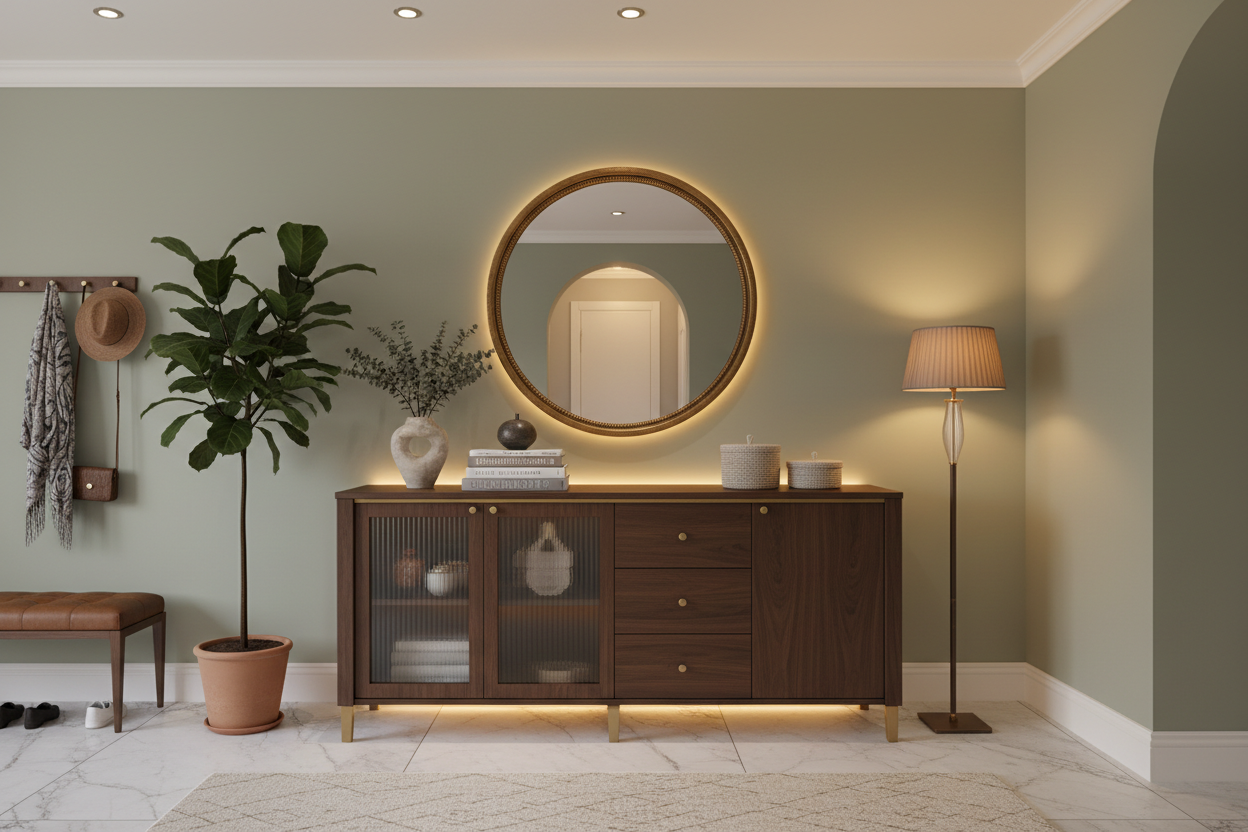
In a dining context, a cupboard with shelves essentially functions as a modern sideboard or buffet. You store heavy platters, seasonal linens, and unappealing kitchen gadgets in the lower section. The upper section becomes a gallery for your best glassware or ceramics. This dual-purpose approach is vital for smaller homes where the dining area might double as a workspace. You can close the doors on your laptop and paperwork at 5:00 PM, and the room instantly transitions back to a relaxing space.
Material Selection and Build Quality
Since these units carry a significant amount of weight—books are heavier than you think—structural integrity is non-negotiable. When you are browsing storage cabinet stores or looking at options online, pay close attention to the backing material. Many affordable units use a flimsy cardboard backing that is nailed on. This provides almost no structural support. For a tall unit carrying a load of books, you want a solid back or a thick plywood back panel that is screwed into the frame.
Check the shelf pins as well. Plastic pins often become brittle and snap over time. Metal pins with a locking mechanism are far superior, especially for the open upper section where a shelf collapse would result in broken decor. If you are buying a unit with adjustable shelving, ensure the holes are drilled cleanly and at useful intervals. There is nothing more frustrating than a shelf that is just half an inch too short to fit your favorite oversized art book.
Styling Your Storage for Impact
Once you have your unit installed, the challenge shifts to arrangement. The closed cabinets are easy; you just tetris your items in there to maximize space. The open shelves require breathing room. A common mistake is filling every inch of horizontal space. Negative space—the empty area around objects—is what makes a shelf look designed rather than hoarded.
Try grouping items in odd numbers. A stack of three books topped with a small stone looks better than two books side-by-side. Vary the height of objects to keep the eye moving. If you have a tall vase on the left side of a shelf, balance it with a low, wide bowl on the right. This asymmetry creates dynamic tension that is pleasing to the eye.
Lighting also plays a massive role here. If your unit has a deep overhang, the top shelves might cast a shadow on the lower display areas. Simple battery-operated puck lights or LED strips hidden behind the face frame can illuminate your display items, turning a dark corner into a focal point of the room.
Customization and DIY Options
You do not always need to buy a pre-made unit. Many homeowners achieve the high-end built-in look by combining stock kitchen wall cabinets (installed on the floor on a base) with simple lumber shelving installed above. This allows you to customize the width perfectly to your wall. You can paint the cabinets and the shelves the same color as the wall to make the unit look like it is part of the architecture. This "drenching" technique makes small rooms feel larger because the eye doesn't get stuck on the edges of the furniture.
Frequently Asked Questions
How deep should the upper shelves be compared to the lower cabinets?
Ideally, the upper shelves should be at least 4 to 6 inches shallower than the base cabinets. A common ratio is 12-inch deep shelves over 18-inch deep cabinets. This difference prevents the unit from feeling top-heavy and provides a useful ledge surface above the cabinet doors.
Can I put heavy items like vinyl records on adjustable shelves?
Standard adjustable shelves often bow under the weight of vinyl records or heavy encyclopedias. If you plan to store heavy media, look for shelves made of solid wood at least 3/4-inch thick, or ensure the span of the shelf is short (under 30 inches) to prevent sagging.
Is it better to have glass doors or open shelves on the top section?
Glass doors cut down significantly on dust, which preserves your books and collectibles, but they add glare and cost. Open shelves offer easier access and a more organic, textured look but require regular dusting. Choose glass if you live in a dusty area or have fragile items to protect.


Dejar un comentario
Este sitio está protegido por hCaptcha y se aplican la Política de privacidad de hCaptcha y los Términos del servicio.