










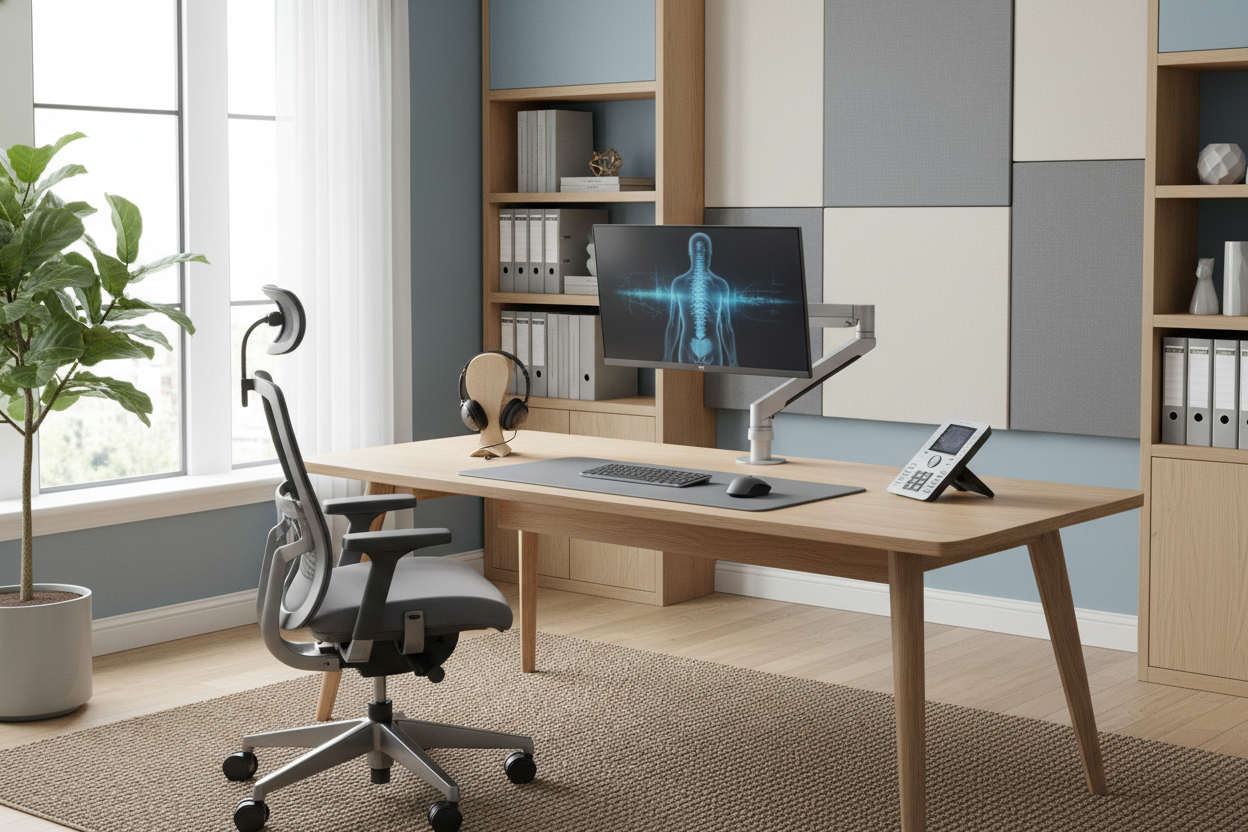
We often obsess over the aesthetics of a living room or the flow of a kitchen, yet we neglect the most stressful corner of the home: the administrative command center. Whether you are managing household logistics or dealing with complex bureaucracy, the environment in which you pick up the department of home affairs phone dictates your stress levels. As a designer, I see too many homeowners taking important calls from a kitchen stool, resulting in physical discomfort and a cluttered mind. Let’s redesign this experience to be as functional and sophisticated as the rest of your home.
Quick Decision Guide: The Admin Workspace
- Ergonomics First: Prioritize a chair with lumbar support and adjustable armrests for long durations.
- Acoustic Control: Incorporate soft textiles (rugs, curtains) to dampen echo during important calls.
- Surface Area: Ensure a minimum desk depth of 60cm to accommodate paperwork alongside technology.
- Lighting: Layer ambient lighting with a dedicated task lamp to reduce eye strain while reading fine print.
Curating a Stress-Free Command Center
When designing a home office or a dedicated "admin nook," the goal is to create a sense of calm control. The furniture you choose acts as the foundation for your focus. It isn't just about having a desk; it is about creating a zone where home affairs and immigration paperwork can be handled without overwhelming your visual field.
The Chair: Investing in Endurance
The most critical investment for this space is seating. When you are dialing the ministry of home affairs helpline number, you are likely facing a significant wait time. A standard dining chair offers zero support for the lower back, leading to fatigue within twenty minutes. Look for a high-back executive chair or a mesh task chair that offers breathability. From a design perspective, avoid stark corporate black if your office is visible from the living area; opt for cognac leather or a textured grey fabric to maintain a residential, luxury feel.
Surface Materials and Tactility
The texture of your desk matters more than you think. Glass desks, while modern, are cold to the touch and amplify the sound of putting a phone down or tapping a pen. For a warmer, more acoustically dampening experience, choose solid wood (walnut or oak) or a high-quality matte veneer. These materials absorb sound and provide a grounding, organic feel that helps mitigate the sterility often associated with administrative tasks.
Spatial Planning and Flow
Ideally, your phone and computer setup should not face a blank wall. If space allows, position your desk to face the room or a window—a technique known as the "command position." This reduces the feeling of confinement during stressful conversations. Ensure there is a dedicated credenza or drawer unit within arm's reach to store files immediately after use, keeping the surface pristine.
My Personal Take on department of home affairs phone Stations
In my years of designing home offices, I’ve noticed a specific detail that ruins the vibe of even the most expensive setups: the "cord spaghetti." I once worked on a project in a high-end loft where the client had a beautiful mid-century modern desk, but the entire aesthetic was destroyed by the cables from their landline and modem.
We solved this not by buying a new desk, but by installing a leather cable management spine that ran down the leg of the table. It turned an eyesore into a deliberate design feature. Furthermore, I always advise clients to test the "elbow drop." I sat in that client's chair for an hour to test the ergonomics; if your elbows don't rest naturally at a 90-degree angle while holding the receiver, the desk is too high. That physical tension travels straight to your neck. It’s these unpolished, practical realities that define whether a space actually works.
Conclusion
Transforming the area where you handle your life's administration doesn't require a full renovation. By selecting supportive seating, warm materials, and managing your acoustics, you turn a chore into a dignified experience. Treat your workspace with the same design integrity as your lounge, and you'll find even the longest phone calls become manageable.
Frequently Asked Questions
What is the best desk depth for a home office setup?
For a setup that includes a computer and space for writing or reviewing documents, a depth of 60cm to 80cm is ideal. This prevents the monitor from being too close to your eyes while leaving ample room for a phone and notepad.
How can I soundproof my home office without rebuilding walls?
Soft furnishings are your best friends. heavy velvet drapes, a thick wool rug, and even canvas art on the walls will absorb sound waves and reduce the echo that makes phone calls difficult to hear.
Should I use a standing desk for administrative tasks?
A sit-stand desk is excellent for versatility. However, for tasks involving long phone calls or detailed paperwork, ensure you have a drafting stool or an ergonomic chair available, as standing for over an hour can lead to fatigue.

Dejar un comentario
Este sitio está protegido por hCaptcha y se aplican la Política de privacidad de hCaptcha y los Términos del servicio.