











One of the most persistent challenges I face in residential design is the battle between aesthetic cohesion and genuine comfort. Clients often assume that introducing motion furniture means sacrificing the elegance of a formal living room for a bulky, cinema-style appearance. This is a misconception. When curated correctly, a layout featuring recliners and sofa combinations can anchor a room with sophistication while providing the relaxation you crave.
Key Features to Look For
Before committing to a purchase, review this checklist to ensure your furniture meets both functional and aesthetic standards. These specific criteria are what I look for when sourcing for high-end projects:
- Scale and Proportion: Ensure the recliner’s back height does not visually overpower the sofa’s silhouette.
- Clearance Requirements: Check if the mechanism is a "wall-hugger" (needs 2-4 inches) or a standard rocker (needs 12+ inches).
- Frame Construction: Look for kiln-dried hardwood frames rather than plywood to prevent warping over time.
- Suspension System: Eight-way hand-tied springs or heavy-gauge sinuous springs offer superior longevity compared to webbing.
Achieving Visual Balance in Your Layout
The success of a room depends largely on "visual weight." Recliners are inherently heavy pieces due to their high backs and solid bases. To counter this, avoid placing a large recliner directly next to a sofa with a skirted base, as this creates a blocky, uninspired look.
Creating Conversation Zones
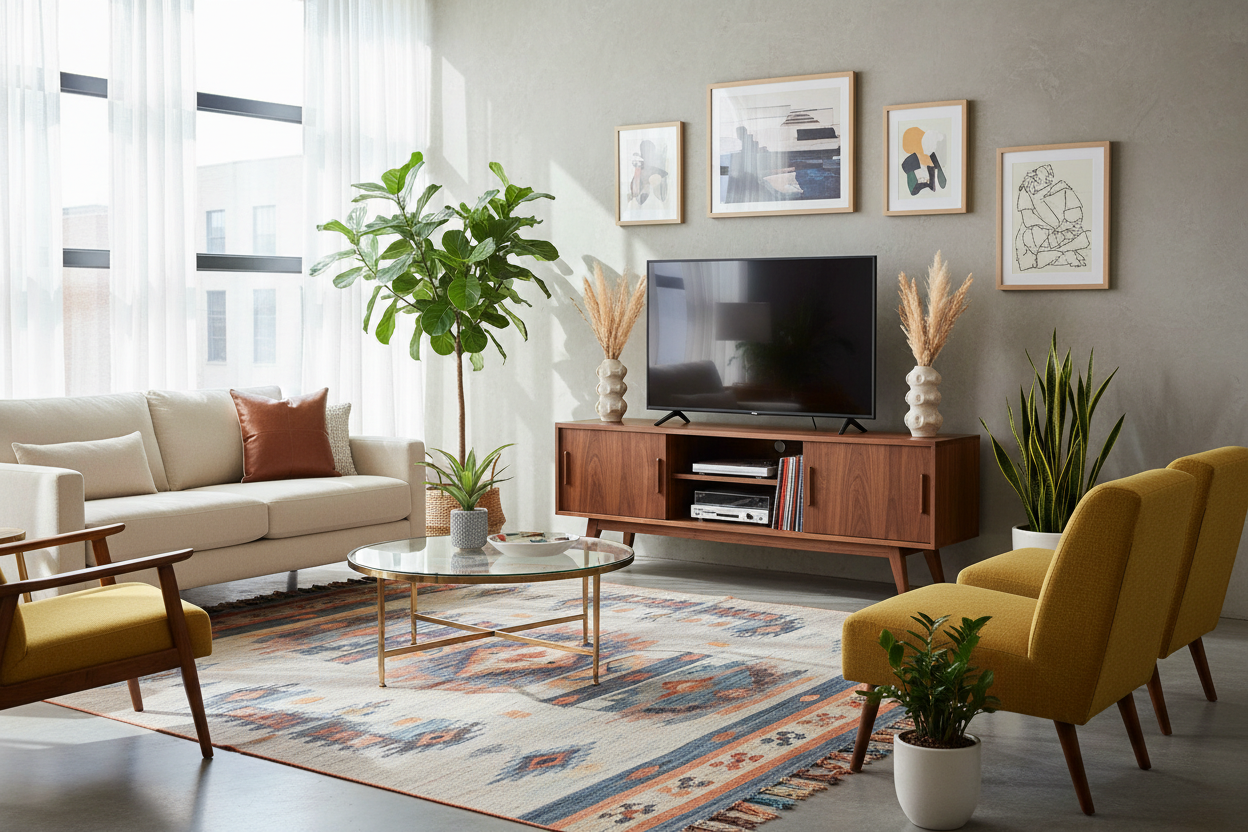
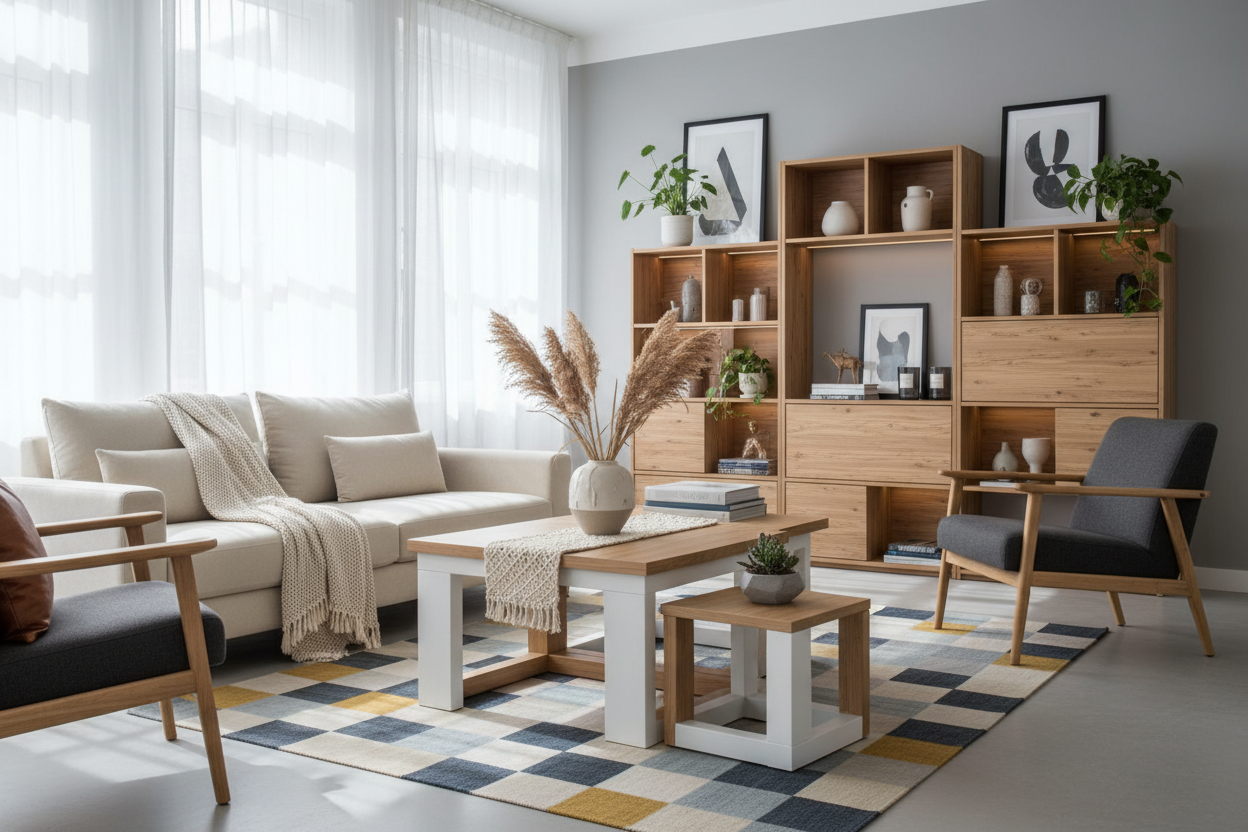
Instead of lining furniture up against walls, float your recliner chairs and sofas to create intimacy. Angle the recliners slightly toward the center of the sofa. This breaks the rigidity of the room and facilitates conversation. If your sofa has low, modern lines, pair it with a high-leg recliner (one where the mechanism is hidden and looks like a stationary armchair) to maintain an airy feel.
Material Selection and Durability
When selecting upholstery, the goal is to harmonize textures, not necessarily to match colors perfectly. In fact, the "matchy-matchy" look often cheapens the design.
Leather vs. Performance Fabric
For a luxury aesthetic, top-grain leather is the gold standard. It develops a patina over time that adds character. However, if your sofa is a velvet or heavy chenille, a leather recliner provides a necessary textural contrast. If you opt for fabric, ensure it is a performance grade (like Crypton or high-rub-count polyester blends) to withstand the friction of the reclining mechanism.
My Personal Take on Recliners and Sofa
I want to share a specific lesson from a project I managed in a narrow Victorian remodel. I made the mistake of focusing solely on the "closed" dimensions of a recliner. On paper, it fit perfectly next to the fireplace. However, I failed to account for the traffic flow when the chair was fully extended.
Once the client kicked back, the footrest completely blocked the path to the hallway, forcing family members to step over the user’s legs. It was a functional disaster. We had to swap it for a push-back recliner with a shorter extension depth. The lesson? Always tape out the footprint of the chair in its fully reclined position on your floor before buying. Also, listen to the mechanism; a cheap motor creates a mechanical whine that ruins the ambiance of a quiet evening.
Conclusion
Integrating motion furniture into your home doesn't require compromising on style. By focusing on scale, leveraging textural contrast, and planning for the mechanism's footprint, you can curate a space that looks magazine-ready but lives comfortably. Trust the process, measure twice, and invest in quality frames that will support you for years.
Frequently Asked Questions
How much space do I need behind a recliner?
Standard recliners typically require 10 to 14 inches of wall clearance to fully recline. However, "wall-hugger" or "zero-wall" models are engineered to slide forward on a track, requiring as little as 2 to 4 inches, making them ideal for tighter floor plans.
Should my recliner match my sofa exactly?
No, and I generally advise against it. Purchasing a matching set can make a room look like a furniture showroom rather than a curated home. Instead, coordinate them through a shared element, such as similar leg finishes, arm shapes, or complementary color palettes.
What is the most durable filling for recliner cushions?
High-resiliency (HR) foam wrapped in down or a down-alternative fiber is the best choice. This core provides the necessary structure so the seat doesn't "puddle" or sag after repeated use, while the outer wrap offers the initial plush comfort.

Dejar un comentario
Este sitio está protegido por hCaptcha y se aplican la Política de privacidad de hCaptcha y los Términos del servicio.