










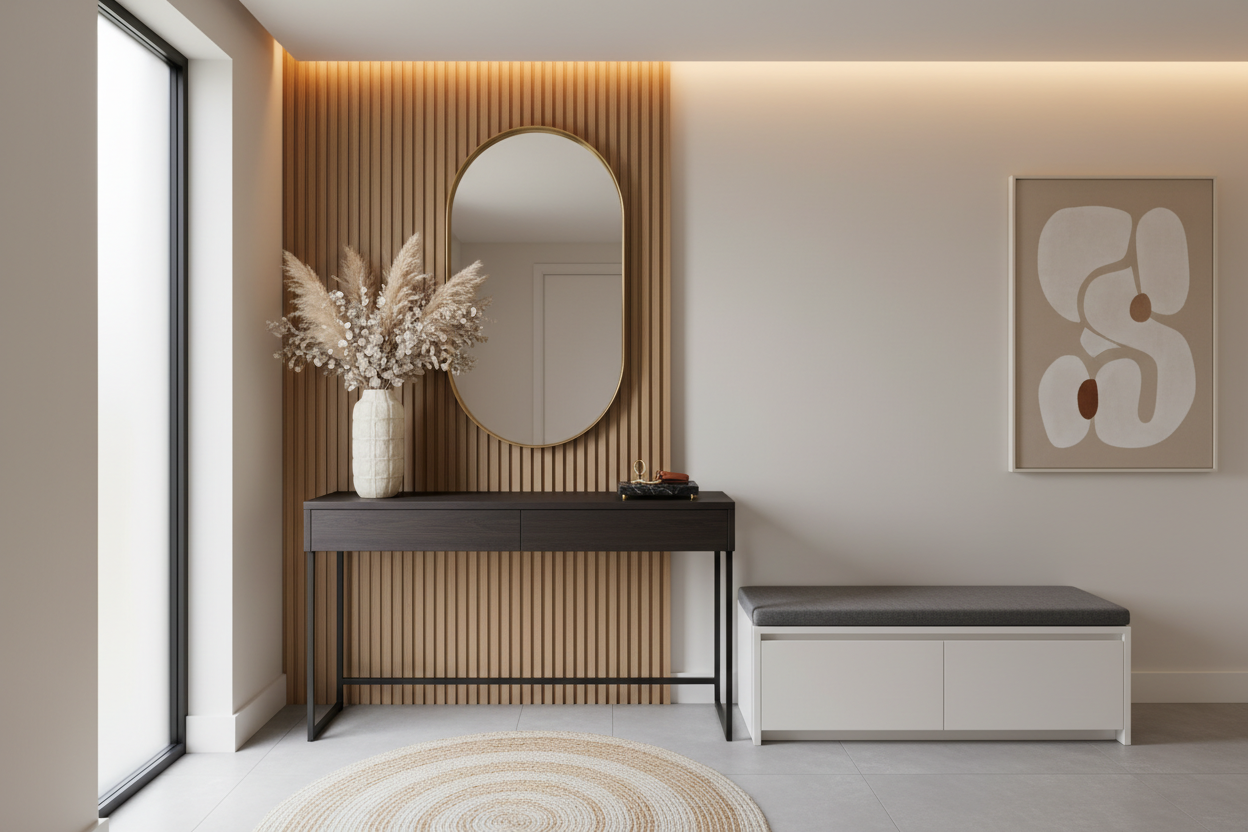
Your home begins the moment the door swings open. That initial square footage isn't just a passageway; it is the handshake of your house, setting the tone for everything that follows. The centerpiece of this introduction is almost always the entryway accent table. This piece of furniture serves a dual purpose: it acts as a functional landing strip for the detritus of daily life—keys, mail, sunglasses—and stands as a style anchor that defines the aesthetic of your home immediately. Choosing the right one requires balancing strict spatial limitations with the desire to make a statement.
Many homeowners treat the foyer as an afterthought, a place to kick off shoes before entering the "real" living space. This is a missed opportunity. By thoughtfully selecting an accent table for foyer spaces, you create a dedicated pause point. This visual break helps transition the mind from the chaos of the outside world to the sanctuary of the interior. Whether you are working with a sprawling grand entrance or a narrow apartment hallway, the principles of scale, material, and utility remain your guiding lights.
Learning the Hard Way: A Lesson in Scale
I learned the importance of proper sizing through a distinct lack of measurement early in my own home decorating journey. I fell in love with a heavy, vintage oak sideboard that I was convinced would add character to my narrow hallway. It was beautiful, sturdy, and completely wrong for the space. Once positioned, it left maybe twenty inches of walking room. Every guest had to turn sideways to shimmy past it, and I accumulated a collection of hip bruises that lasted for months.
That experience taught me that flow supersedes beauty. If a piece impedes movement, it fails its primary function. A foyer accent table must respect the traffic pattern. You generally need a minimum of 30 to 36 inches of clearance between the edge of the table and the opposite wall or furniture piece. If your hallway is tight, depth becomes the critical dimension. Look for console tables that are 10 to 12 inches deep rather than the standard 16 to 18 inches. These slim profiles provide the surface area you need without encroaching on the walkway.
Balancing Functionality with Aesthetics
Before buying anything, audit your habits. What do you actually hold in your hands when you walk through the door? If you are the type to drop a handful of loose change, receipts, and keys immediately, a table with a flat, open surface might just become a clutter magnet. In this case, entryway accent furniture with drawers is superior. It allows you to hide the mess instantly while keeping essentials accessible. A table with a lower shelf offers additional real estate for baskets, which can hold shoes, umbrellas, or dog leashes, keeping the floor clear of tripping hazards.
Conversely, if your entryway is purely decorative because you enter through a mudroom or garage, you have more freedom. You might opt for a pedestal table or a sculptural piece that prioritizes form over function. Here, the table becomes a stage for art, a vase of fresh eucalyptus, or a curated stack of design books. The goal is to be honest about how you live so the furniture serves you, rather than you serving the furniture.
Selecting the Right Materials
High-traffic areas demand resilience. The material you choose dictates how the table ages. Solid wood is forgiving; scratches can often be buffed out or can add to the patina of the piece. However, wood can feel heavy in a small space. If your foyer lacks natural light, a dark wood table might suck the energy out of the room.
Glass and acrylic are the secret weapons for small or dark entryways. Because they are visually weightless, they trick the eye into thinking the space is larger than it is. An acrylic console table provides the necessary surface area without adding visual clutter. Metal, particularly iron or brass, offers a middle ground—providing strong, slender lines that define the space without overwhelming it. Be wary of delicate finishes if you have children or pets; a mirrored surface looks glamorous until it is covered in fingerprints and nose smudges.
The Vignette: Styling Your Surface
Once the table is in place, the styling brings it to life. A bare table looks unfinished, but a crowded one looks messy. The most effective approach is to create a hierarchy of height. Start with an anchor piece, usually a mirror or artwork hung on the wall above the table. This draws the eye up and increases the perceived height of the ceiling. A mirror is particularly effective in foyers as it reflects light and allows for a final appearance check before heading out.
On the surface itself, employ the rule of three. Group three items of varying heights and textures. For example, a tall table lamp provides the height and necessary ambient lighting. A low, wide tray catches keys and grounds the arrangement. Finally, a medium-height object, like a plant or a sculptural bowl, bridges the gap. This triangular arrangement is naturally pleasing to the human eye.
Lighting deserves specific attention here. Overhead hallway lighting is often harsh and unflattering. A lamp on your entryway accent table introduces a soft, welcoming glow. If outlets are scarce—a common problem in older homes—look for battery-operated lamps or use a rechargeable light bulb. This small adjustment changes the atmosphere from institutional to intimate.
Solutions for Awkward Spaces
Not every home has a defined foyer. In open-concept living spaces, the front door might open directly into the living room. Here, the accent table acts as a divider. Placing a console table against the back of a sofa creates a psychological barrier that defines the "entry" zone. It directs traffic and gives you a place to pause.
For corners or odd alcoves, a demilune (half-moon) table is an excellent choice. The curved edges soften the angularity of a room and prevent painful bumps in tight quarters. If floor space is non-existent, a floating shelf mounted at console height serves the same purpose as a traditional table without the footprint. It provides a spot for the mail and a mirror without sacrificing a single inch of floor space.
Ultimately, the furniture you place near your door sets expectations. It signals that the home is cared for and organized. By measuring carefully, choosing durable materials, and styling with intention, you transform a pass-through into a destination.
Frequently Asked Questions
How tall should an entryway table be?
Standard console table height ranges from 30 to 36 inches. This height is comfortable for dropping off keys without bending over and aligns well with the back of most sofas if used as a divider. Ensure the table isn't significantly higher than the bottom of any artwork or mirrors hanging above it.
What should I put under a console table that has open legs?
To prevent the space from looking top-heavy or bare, place substantial items underneath. Large woven baskets are popular for texture and hidden storage, or you can use a pair of ottomans that can be pulled out for extra seating when guests arrive.
Can I use a round table in a foyer?
Yes, but it requires a specific room shape. Round tables work best in square or large, open foyers where traffic flows around the perimeter. In a narrow hallway, a round table will likely block the path, so a rectangular or semi-circle shape is much more practical.


Dejar un comentario
Este sitio está protegido por hCaptcha y se aplican la Política de privacidad de hCaptcha y los Términos del servicio.