










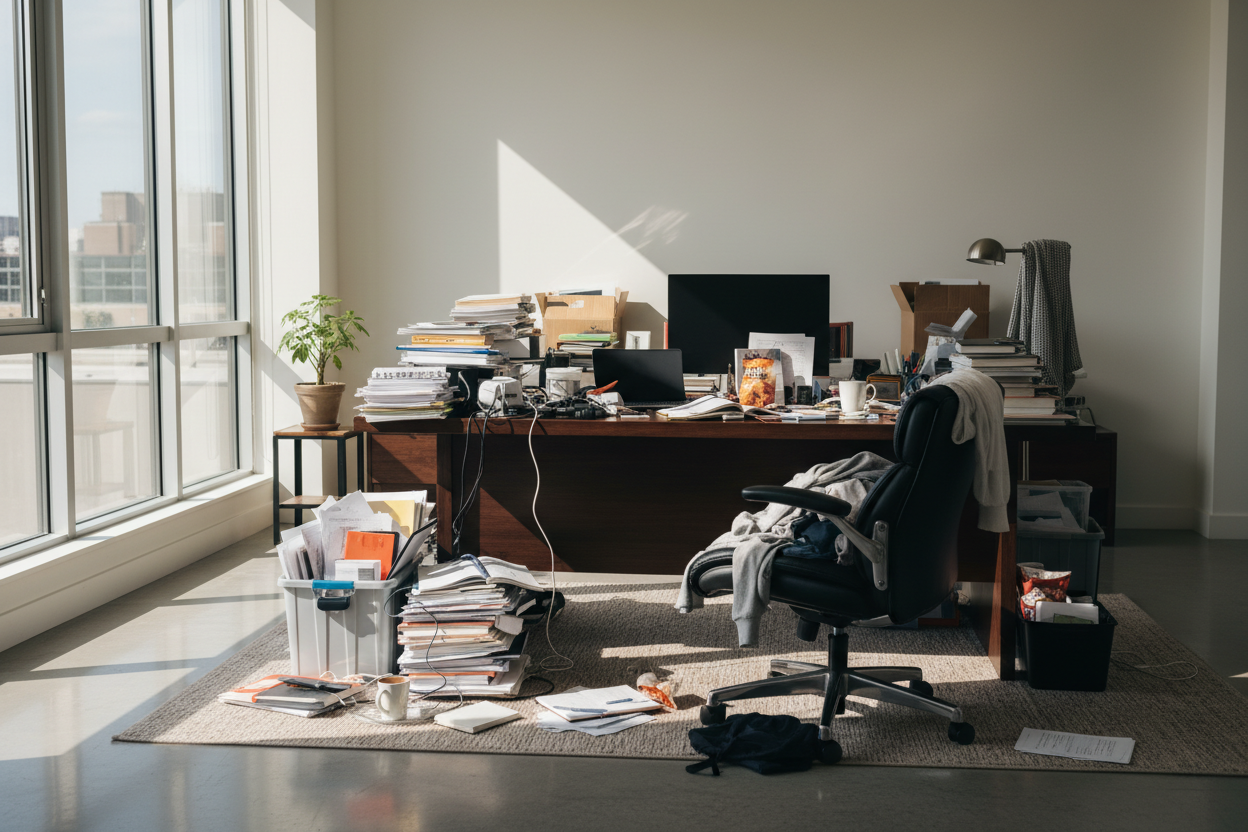
Most homeowners treat their workspace as an afterthought, shoving a desk into a spare corner and hoping for the best. But true productivity requires intention. As a designer, I see clients prioritize aesthetics over function, only to find themselves working from the kitchen table a week later because their dedicated room feels sterile or uncomfortable. The secret to successful designs for office spaces lies in balancing the visual weight of your furniture with the ergonomic needs of your body. This guide will walk you through curating a space that looks like a showroom but functions like a powerhouse.
Key Features to Look For
- Ergonomics First: Prioritize chairs with lumbar support and adjustable seat depth over purely sculptural pieces.
- Lighting Layers: Ensure a mix of ambient (overhead) and task lighting (desk lamp) to reduce eye strain.
- Material Tactility: Choose desk surfaces like wood or leather-topped finishes that are warm to the touch, unlike cold glass or stone.
- Acoustic Control: Incorporate rugs, curtains, or upholstered panels to dampen echo and improve focus.
- Spatial Flow: distinct zones for computer work, reading, and storage to prevent visual clutter.
Mastering the Layout: Beyond the Wall-Facing Desk
One of the most frequent errors in room office design is pushing the desk directly against a wall. While this saves floor space, it creates a claustrophobic visual field. In the design world, we often advocate for the "command position." Float your desk in the center of the room or position it perpendicular to a window. This layout allows you to see the door, control the room visually, and benefit from natural light without direct glare on your monitor.
When planning the footprint, consider the "visual weight" of your furniture. A chunky, solid oak executive desk demands a larger room to breathe. For tighter spaces, look for office designs featuring legs with negative space (like hairpin or slender metal frames) to keep the room feeling airy.
Materiality: Durability Meets Aesthetics
The surface you touch for eight hours a day matters. In high-end office design projects, we often steer clients away from high-gloss lacquers or glass tops. While they look sleek in photos, they are nightmares for daily use—fingerprints are constant, and optical mouse tracking often fails, requiring a pad that ruins the clean look.
Wood vs. Laminate
Solid wood (walnut or white oak) offers longevity and can be refinished, developing a patina over time. However, high-pressure laminate (HPL) has come a long way. If you are designing a high-traffic family workspace, a matte HPL finish can mimic the grain of wood while offering superior scratch and heat resistance against your morning coffee.
Lighting and Ambiance
Bad lighting is the silent killer of good design. Avoid relying solely on recessed can lights, which cast harsh shadows on your workspace. Instead, layer your lighting. Start with a warm ambient light, then add a directional task lamp with a high CRI (Color Rendering Index) to ensure colors look true—essential if your work involves any creative visual components.
Lessons from My Own Projects: The "Glass Desk" Regret
I want to share a personal realization from my own home office renovation that I often share with clients. Early in my career, I fell in love with a stunning, architectural glass desk. It was minimal, modern, and looked incredible in the catalog. I bought it immediately.
Within two weeks, I hated it. What the photos didn't show was the temperature. In the winter, resting my wrists on a sheet of cold tempered glass was physically uncomfortable, eventually leading to stiffness in my hands. Furthermore, wire management was impossible; every single cable hanging behind the desk was visible through the clear top, ruining the clean aesthetic I was chasing. I eventually swapped it for a leather-wrapped timber desk. The lesson? Always consider the tactile experience and the "ugly" practicalities like cables before committing to a material.
Conclusion
Curating the right designs for office environments is about more than buying a matching set. It is about understanding how you move, see, and feel within the space. By prioritizing layout flow, tactile materials, and proper lighting, you create a sanctuary that respects your workflow. Don't settle for a space that just works; build one that inspires.
Frequently Asked Questions
How do I choose the right desk size for a small room?
For a standard room office design, ensure you have at least 30 to 36 inches of clearance behind your chair to push back comfortably. A desk depth of 24 inches is usually sufficient for a laptop, but aim for 30 inches if you use multiple monitors.
What is the best color temperature for office lighting?
Aim for a color temperature between 3000K and 4000K. This range is bright and neutral enough to keep you alert without being as harsh and sterile as daylight bulbs (5000K+), which can feel too clinical for a home setting.
Is a standing desk worth the investment?
From an ergonomic standpoint, absolutely. However, ensure the aesthetic matches your office designs. Many standing desks look very industrial. Look for options that conceal the motor mechanisms or feature wood-veneer tops to maintain a residential feel.


Dejar un comentario
Este sitio está protegido por hCaptcha y se aplican la Política de privacidad de hCaptcha y los Términos del servicio.