










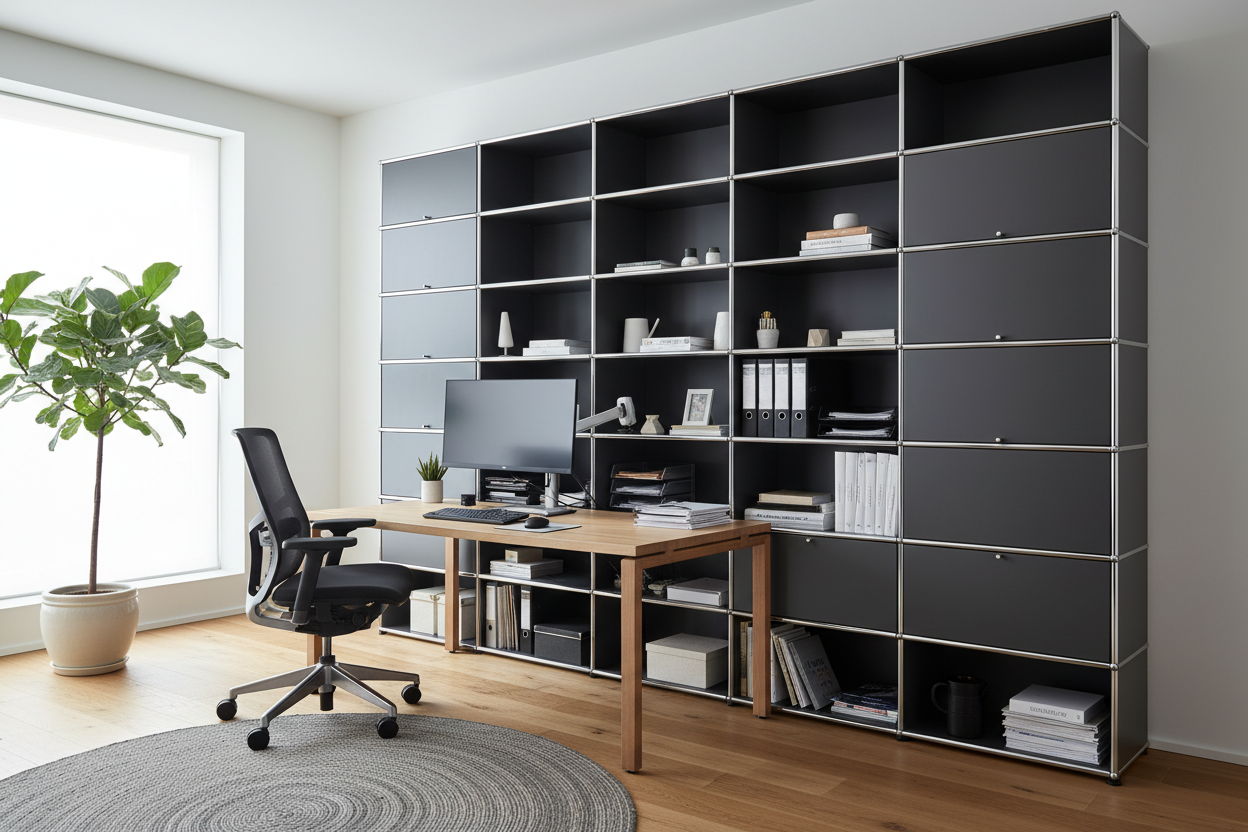
We often treat the home office as an afterthought, shoving a utilitarian table into a corner and hoping for the best. However, a cluttered workspace inevitably leads to a cluttered mind. The solution isn't just buying furniture; it is curating a workspace that balances function with form. A well-designed desk and storage combination does more than hold your files—it anchors the room, dictates the flow of movement, and sets the tone for your productivity.
Key Features to Look For
Before committing to a piece of furniture that will dominate your floor plan, consider these critical elements to ensure the piece serves your space effectively:
- Visual Weight: Does the piece feel too heavy for the room? Look for legs or floating elements to maintain an airy feel in smaller spaces.
- Knee Clearance: Ensure the storage components do not encroach on the 24-30 inches of width needed for comfortable seating.
- Material Integrity: Distinguish between high-pressure laminate (durable, uniform) and wood veneer (warm, requires maintenance).
- Cable Management: A true combination unit should have integrated channels to hide wires, keeping the aesthetic clean.
Balancing Visual Weight and Proportion
One of the most significant challenges in interior design is managing "visual weight." A desk storage combination often involves substantial cabinetry. If you place a heavy, floor-to-ceiling unit in a room with low ceilings or limited natural light, the space will feel claustrophobic.
To counter this, I often recommend designs that utilize negative space. Look for units where the shelving is open or where the desk surface appears to "float" between two storage pedestals. This breaks up the mass of the furniture, allowing light to pass through and making the room feel larger than it is.
Choosing the Right Material: Solid Wood vs. Veneer
The tactile experience of your workspace matters. Your forearms rest on this surface for hours daily. While solid wood offers prestige and the ability to refinish scratches, it is susceptible to humidity changes which can cause drawers to stick—a nightmare for integrated storage.
The Case for High-End Veneers
For a desk and storage combination, high-quality wood veneer over a stable MDF core is often the superior choice. It provides the warmth and grain pattern of timber but maintains structural stability, ensuring that drawers and cabinet doors remain perfectly aligned over years of use.
Ergonomics: The Hidden Variable
Aesthetics often override ergonomics in retail furniture, but in professional design, they must marry. A common issue with integrated units is that the storage pedestals are often fixed. If the desk height is the standard 29-30 inches, but the storage reduces your legroom, you will find yourself sitting off-center or unable to swivel your chair.
When selecting a unit, measure the "apron"—the vertical space between the floor and the underside of the drawer. You need enough clearance to cross your legs or adjust your chair height without scraping your knees.
My Personal Take on Desk and Storage Combinations
I learned the hard way that "integrated" doesn't always mean "functional." Early in my career, I specified a stunning, custom-built mahogany desk storage combination for a client who was a lawyer. It looked magnificent—a true focal point. However, I overlooked one specific detail: the depth of the drawers relative to the chair swivel radius.
Every time the client turned to grab a file from the credenza behind him, the arm of his ergonomic chair would bang against the sharp handle of the desk's integrated drawer. It chipped the finish within a week and drove him crazy. Since then, I always check the hardware profile. I now prefer recessed pulls or push-to-open mechanisms on the seated side of any desk combo. It’s a small detail, but when you live with a piece of furniture, those tactile frustrations are what you remember most, not just how good it looked in the showroom.
Conclusion
Investing in a high-quality desk and storage combination is about more than organization; it is about creating an environment that respects your workflow. By paying attention to material stability, visual balance, and the subtle nuances of hardware, you can secure a piece that elevates your home's aesthetic while serving as a reliable engine for your daily tasks.
Frequently Asked Questions
What is the ideal depth for a desk with upper storage?
If your unit has hutch-style storage above the desk, aim for a desk depth of at least 30 inches. This ensures that the upper shelves don't loom over your head or shadow your workspace while you work.
Can I place a desk storage combination in the center of a room?
Absolutely, provided the back of the unit is finished. Many retail units have unfinished backs (exposed particle board) meant to face a wall. Verify the piece is "finished on all sides" if you plan to float it.
How do I mix wood tones with existing furniture?
Avoid trying to match wood tones perfectly; it rarely works. Instead, aim for a complementary contrast. If your floors are a warm oak, consider a walnut or ebonized oak desk to create a deliberate, curated layer in the room.
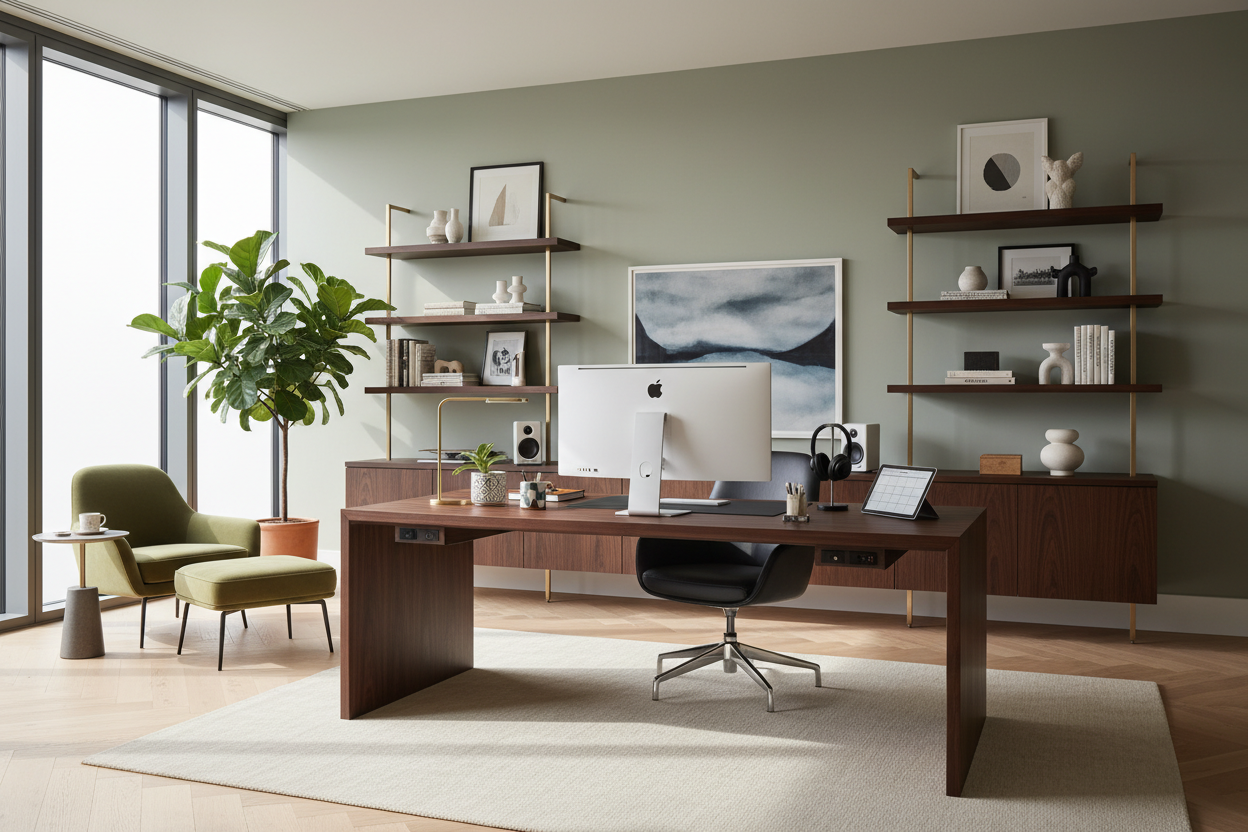

Dejar un comentario
Este sitio está protegido por hCaptcha y se aplican la Política de privacidad de hCaptcha y los Términos del servicio.