










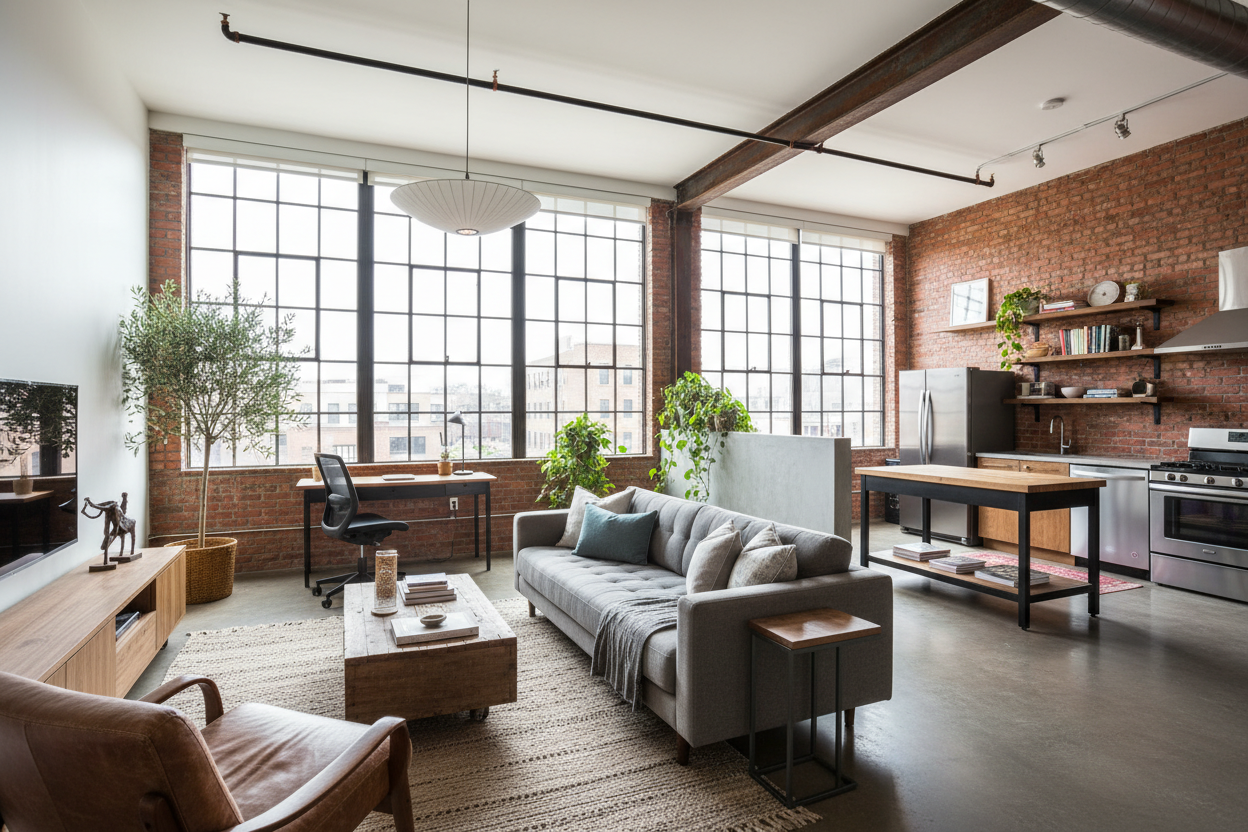
We have all seen the shift. The lines between commercial and residential design are blurring, creating a hybrid aesthetic that is both functional and inviting. However, if you have been browsing living in office space reddit threads looking for inspiration on converting a loft, a studio, or a heavy-duty home office into a habitable sanctuary, you might notice a recurring issue: the space often feels cold, sterile, and echoey. As a designer, I see clients struggle to inject 'soul' into these utilitarian footprints. The solution isn't just adding a plant; it requires a fundamental shift in how we approach texture, acoustics, and spatial planning.
Quick Decision Guide: Key Features for Habitable Workspaces
- Acoustic Dampening: Prioritize high-pile rugs and upholstered furniture to combat the echo common in office-style layouts.
- Lighting Temperature: Switch from cool commercial bulbs (4000K+) to warm residential lighting (2700K-3000K) to alter the mood.
- Zoning Elements: Use open shelving or console tables to define 'rest' areas versus 'work' areas without building walls.
- Material Contrast: Balance cold materials (glass, steel, concrete) with warm organics (walnut, bouclé, leather).
- Ergonomics disguised as Decor: Look for task chairs that utilize fabric or leather rather than standard office mesh.
Softening the Industrial Shell
When dealing with the aesthetic often found in converted spaces, the primary challenge is the 'hard shell'—concrete floors, exposed ductwork, and expansive glass. While visually striking, these elements lack the tactile comfort necessary for living. To counter this, we must introduce what I call 'visual softness.'
Layering Textures
Avoid matching sleek surfaces with sleek furniture. If your space features polished concrete or laminate flooring, a glass coffee table is a mistake. Instead, opt for a solid wood table with a matte, oil-rubbed finish. Introduce seating upholstered in boucle, velvet, or a heavy-weight linen. These fabrics absorb light rather than reflecting it, instantly grounding the room and reducing the sterile 'showroom' vibe.
Space Planning and Visual Balance
In traditional offices, furniture is pushed against walls to maximize floor space. In a living environment, this creates a 'waiting room' effect. To make the space feel residential, you must float your furniture.
Creating Micro-Environments
Anchor your seating area in the center of the room using a large area rug. This creates an island of comfort. If you are integrating a workspace, position the desk perpendicular to a window rather than facing a blank wall. Use a low credenza or a sofa back to physically separate the 'living' zone from the 'working' zone. This separation is psychological as much as it is physical; it allows you to mentally 'clock off' even if you are just moving five feet to the couch.
My Personal Take on living in office space reddit
I recently worked on a project for a client who had purchased a commercial-zoned loft unit—very similar to the setups discussed in the living in an office space reddit threads. He was obsessed with the industrial look but couldn't figure out why he felt anxious in his own home.
The culprit wasn't the layout; it was the acoustics and the 'touch' points. I remember sitting on his sleek, mid-century modern leather sofa. It looked incredible, but against the exposed brick and concrete floors, every time you shifted weight, the leather squeaked loudly, echoing off the hard surfaces. It felt like sitting in a lobby, not a lounge.
We swapped that piece for a deep, fabric-upholstered sectional and, crucially, installed a half-inch felt rug pad under his vintage Kilim rug. That invisible layer of felt changed everything. It deadened the footfall sound and made the floor yielding enough to walk on barefoot. It’s those unpolished, invisible details—sound absorption and underfoot density—that actually make a converted office space livable.
Conclusion
Transforming a stark, office-like environment into a warm home isn't about covering up the architecture; it is about balancing it. By introducing organic textures, strategic lighting, and thoughtful zoning, you can respect the industrial bones of the space while ensuring it serves your need for comfort and rest.
Frequently Asked Questions
How do I hide computer cables in an open-plan office/living space?
Avoid standard plastic cable ties. Use velcro sleeves that match your desk leg color, or route cables through a hollow leg if your furniture permits. For floating desks, a floor-mounted power outlet hidden under a rug is the cleanest solution.
What is the best color palette to warm up a sterile office space?
Steer clear of cool grays. Lean into 'greige' (warm gray), terracotta, olive green, or deep navy. These earth tones bridge the gap between industrial harshness and residential warmth.
Can I use office lighting for my living area?
Generally, no. Overhead fluorescent or track lighting is too harsh for relaxation. Rely on floor lamps and table lamps with linen shades to create pools of ambient light at eye level.

Dejar un comentario
Este sitio está protegido por hCaptcha y se aplican la Política de privacidad de hCaptcha y los Términos del servicio.