










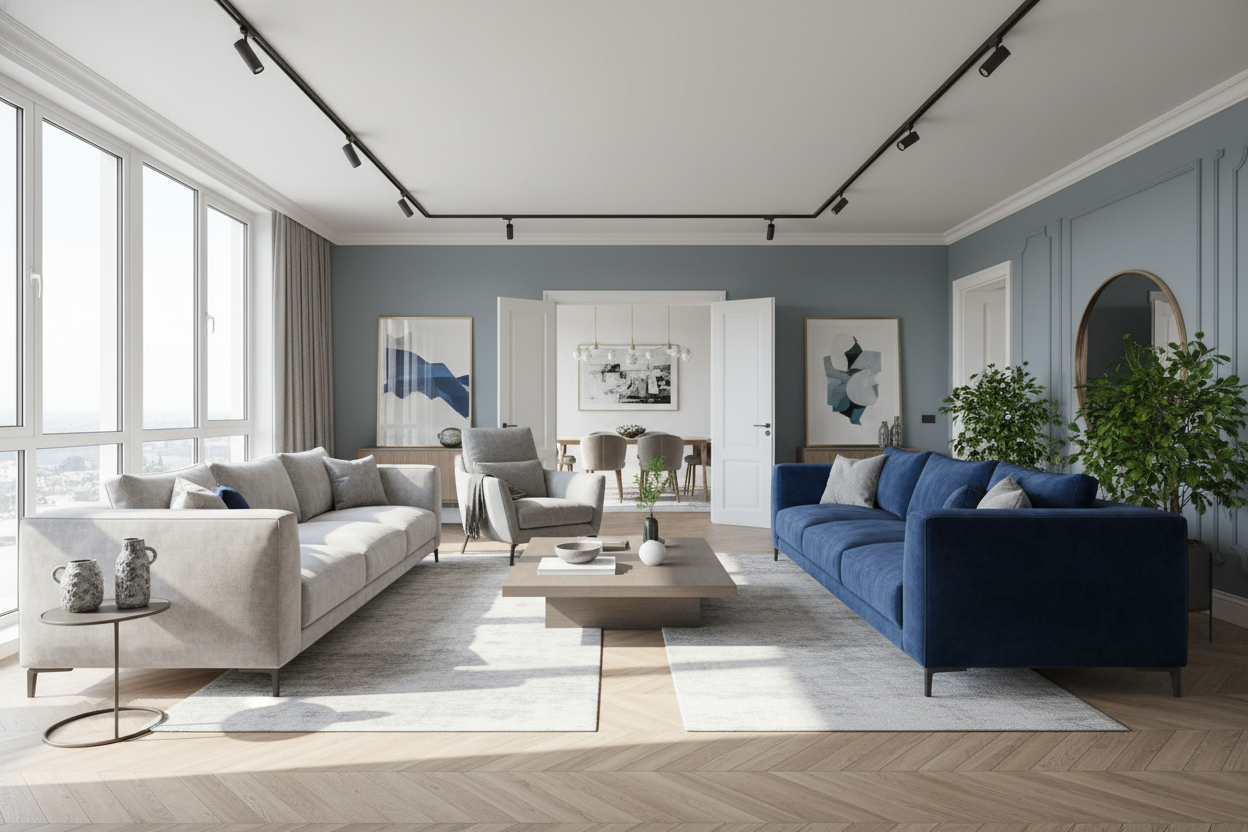
There is nothing more frustrating than investing in a beautiful piece of upholstery only to realize it dominates the space or feels utterly lost within the architecture. Selecting the perfect couch in living room setups is rarely about just picking a color you like; it is an exercise in spatial mathematics and ergonomic function. Whether you are dealing with an open-concept loft or a cozy pre-war apartment, the sofa anchors the visual weight of the room. If that anchor is off-balance, the entire design scheme collapses.
Key Features to Look For
Before committing to a purchase, review this checklist to ensure your selection offers longevity and style. These are the non-negotiables I look for when sourcing for private clients:
- Frame Construction: Look for kiln-dried hardwood frames. Avoid particleboard or softwoods, which warp over time.
- Suspension System: Eight-way hand-tied springs are the gold standard for comfort and longevity, superior to simple sinuous springs.
- Fabric Durability: Check the "double rub" count. For a high-traffic living area sofa, aim for 30,000+ double rubs.
- Cushion Fill: A high-density foam core wrapped in down allows for structure without sacrificing that sink-in luxury.
- Scale & Proportion: The piece should not block traffic paths or obscure architectural features like windows or fireplaces.
Mastering the Layout and Flow
The placement of your seating dictates how people move through and interact within the home. A common error I see is pushing the sofa couch for living room layouts directly against the wall. While this might seem like a space-saver, it often creates a "waiting room" effect that stifles conversation.
Floating the Furniture
If you have the square footage, pull the sofa for living area off the wall. Floating the piece creates a dedicated zone for conversation and allows for traffic flow behind the seating. Ideally, you want 30 to 36 inches of clearance for walkways. This technique works exceptionally well when defining a living room with couch in an open-plan space.
The Focal Point
Orient your sofa for living room designs toward the room's natural focal point. This could be a fireplace, a large picture window, or a piece of statement art. If the television is the primary focus, ensure the distance between the screen and the sitting room sofa is roughly 1.5 to 2.5 times the diagonal screen size for optimal viewing comfort.
Selecting the Right Silhouette and Material
The visual weight of the furniture changes the atmosphere. A sofa couch living room selection with a skirted base feels traditional and grounded, while a piece with exposed legs feels airier and is better suited for smaller footprints.
Fabric vs. Lifestyle
When curating living room furniture couches, be honest about your lifestyle. A velvet tuxedo sofa looks stunning, but it is a magnet for pet hair. For a room with couch usage that involves children or pets, performance fabrics like Crypton or solution-dyed acrylics are indispensable. They mimic the hand-feel of linen or chenille but repel stains aggressively.
Minimalism vs. Comfort
A simple couch for living room minimalism often features low backs and clean lines. However, be wary of going too low. If the back height is below 30 inches, you lose shoulder support, turning a visually sleek sofa living room piece into a source of back fatigue during long movie nights.
Lessons from My Own Projects
I want to share a specific hurdle I encountered that technical specs often don't cover: the "diagonal depth" nightmare. I once specified a gorgeous, deep-seated Italian sectional for a client in a historic walk-up. We measured the room perfectly, but we neglected the hallway turning radius.
The sofa for sitting room use had a rigid back frame. Despite the legs being removable, the diagonal depth (the measurement from the top back corner to the bottom front leg) was two inches wider than the elevator door. We ended up having to hire a specialized hoist team to bring it in through the balcony window. Now, I carry a tape measure specifically to check diagonal depth on every living room sofa before I even look at the fabric swatches. Always measure your path of entry, not just the destination.
Conclusion
Ultimately, the right sofa couch living room choice balances architectural proportion with tactile comfort. By focusing on frame quality, understanding the flow of your floor plan, and selecting performance-grade textiles, you ensure your investment serves your home for years to come. Don't rush the process; the perfect seat changes the way you live.
Frequently Asked Questions
How do I choose the right size rug for my sofa?
The front legs of your living area sofa should always sit on the rug to ground the space. Ideally, all four legs should fit, with at least 6 to 12 inches of rug extending past the sides of the furniture.
What is the difference between a sofa and a couch?
In the industry, we generally use "sofa" to describe a piece with arms and a back, implying a more formal design structure. "Couch" often implies a casual piece used for reclining. However, in modern vernacular, terms like sofa couch for living room are used interchangeably.
How often should I rotate my sofa cushions?
To maintain the shape of your living room furniture couches, rotate and flip the cushions every two weeks. This prevents permanent indentations and ensures even wear on the fabric, especially on the "favorite spot" where everyone tends to sit.

Dejar un comentario
Este sitio está protegido por hCaptcha y se aplican la Política de privacidad de hCaptcha y los Términos del servicio.