










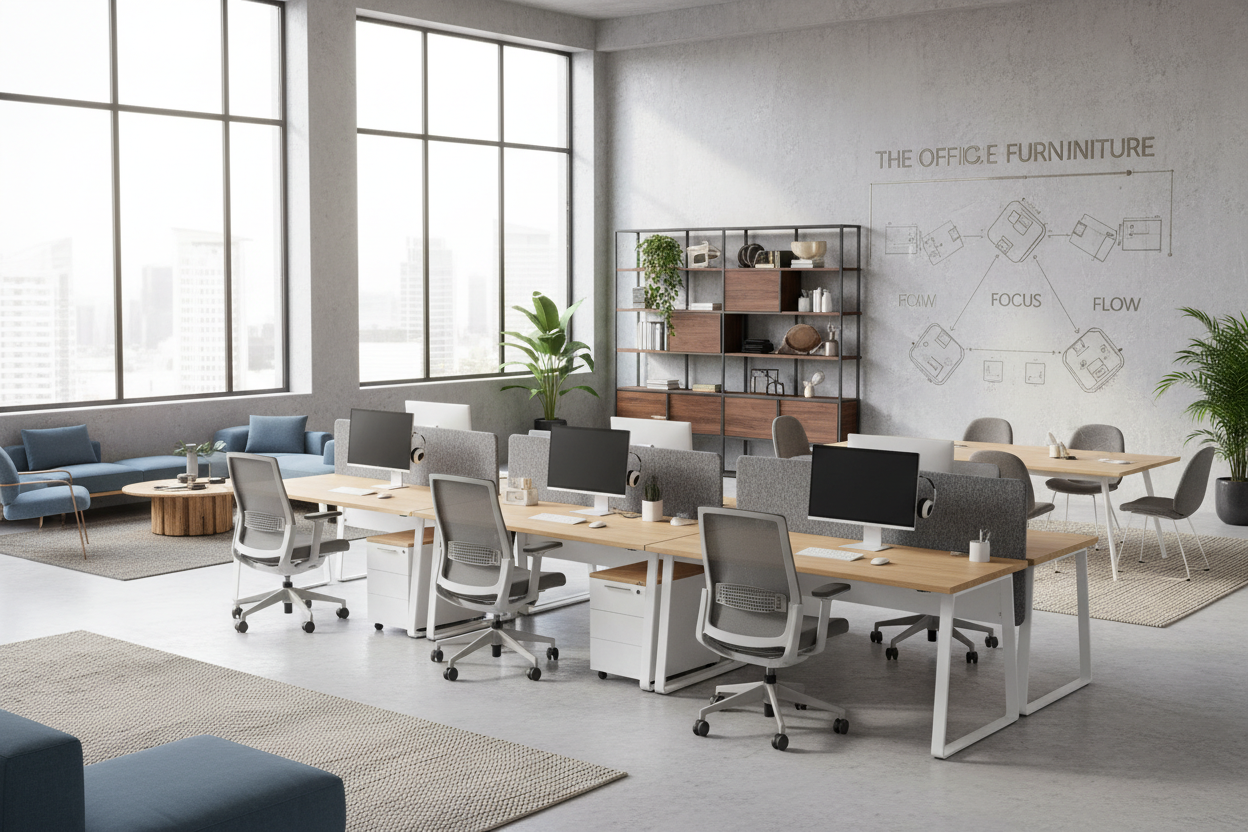
We have all experienced the fatigue that comes from a poorly designed workspace. Whether it is a chair that offers zero lumbar support or a desk that wobbles every time you type, the wrong setup drains your energy faster than a deadline. As an interior designer, I tell my clients that selecting the office furniture is not just about filling a room; it is about engineering an environment that sustains your focus and supports your physical health.
Quick Decision Guide: Key Selection Criteria
- Ergonomics First: Prioritize adjustable seat depth and lumbar support over aesthetic trends.
- Material Durability: Look for commercial-grade laminates or sealed solid woods that resist coffee rings and scratches.
- Scale and Proportion: Ensure at least 36 inches of clearance behind your desk for chair movement.
- Source Reliability: Vetting retailers like penningtons furniture ensures you get warranty-backed durability rather than fast-furniture disposability.
Balancing Aesthetics with Functionality
When curating a workspace, the tension often lies between the visual appeal and the practical application. A mahogany desk might convey authority, but does it have the wire management capabilities required for a modern multi-monitor setup?
Choosing the Right Materials
In high-traffic zones, material integrity is paramount. While veneers offer a sophisticated wood grain at a lower price point, they can chip at the edges if not properly edged with PVC or solid wood. For executive suites, I often lean toward tempered glass or high-pressure laminates which maintain a pristine look despite heavy daily use. If you are browsing the office furniture store, run your hand along the underside of surfaces; rough textures often indicate poor manufacturing quality that will not stand the test of time.
The Ergonomic Ecosystem
Your chair is the most critical tool in your arsenal. It is not merely a seat; it is a complex piece of engineering. When evaluating office chair equipment, look beyond the upholstery. You need a synchronized tilt mechanism that allows the seat and back to move together, maintaining the angle of your torso as you recline.
I frequently advise clients to test the resistance controls. A chair that is too loose offers no support, while one that is too stiff creates muscle tension. The goal is a "floating" sensation where the furniture supports your micro-movements throughout the day.
Spatial Planning and Layout
The placement of your furniture dictates the flow of the room. A common error is pushing the desk against a wall, which limits visual depth and can feel claustrophobic. Instead, try 'commanding' the room by facing the door. This layout not only looks more professional but also improves the acoustics and lighting distribution, reducing glare on your screens.
Lessons from My Own Projects: The "Glass Desk" Regret
Early in my career, I designed a minimalist home office for a tech consultant. We fell in love with a stunning, architectural glass desk. It looked incredible in the portfolio photos—sleek, modern, and airy. However, three weeks later, the client called me.
The reality of living with that piece was vastly different from the showroom experience. The cold surface was uncomfortable on his forearms during long coding sessions, and the lack of a modesty panel meant every single cable was visible, creating visual clutter that ruined the minimalist vibe. We ended up having to retrofit a leather desk pad and a custom cable management spine. That project taught me a valuable lesson: touch points matter. Now, whenever I specify a desk, I physically sit at it to check edge sharpness and surface temperature before recommending it.
Conclusion
Investing in the right workspace elements is an investment in your career longevity. By prioritizing ergonomic mechanisms and durable materials, you create a space that invites productivity rather than fatigue. Take your time, measure your space, and choose pieces that serve both your body and your design vision.
Frequently Asked Questions
How much space do I need for a standard office chair?
You should allow for a minimum of 42 to 48 inches of space between the edge of your desk and any wall or furniture behind you. This allows you to slide back and rotate without banging into shelves or damaging the wall paint.
Is it worth buying a refurbished high-end chair?
Absolutely. High-end brands build their frames to last 10-15 years. Buying a refurbished model from a reputable source often gives you better ergonomics and foam density than buying a brand-new budget chair for the same price.
How do I match wood tones in an office?
You don't need to match them perfectly. In fact, a curated look often involves mixing tones. Try to keep the "undertone" consistent (e.g., all warm/red woods or all cool/ash woods) to maintain visual harmony without looking like a catalog set.


Dejar un comentario
Este sitio está protegido por hCaptcha y se aplican la Política de privacidad de hCaptcha y los Términos del servicio.