










The moment you step through your front door, the tone for your entire home is set. It is the transition point between the bustle of the outside world and the sanctuary of your living space. Yet, this critical area often becomes a clutter magnet for shoes, bags, and mail. The solution is often simpler than a full renovation: adding a well-chosen entryway bench. Whether you have a sprawling mudroom or a narrow corridor, a bench for the foyer anchors the space, providing a designated spot to pause, sit, and organize. It serves as both a functional piece of furniture and a stylistic statement, bridging the gap between utility and design.
The Functionality of a Front Door Bench
We often underestimate how much physical activity happens at the threshold of a home. You are balancing groceries, wrestling with muddy boots, or trying to get a leash on an excited dog. A bench by the front door offers an immediate relief point. Instead of hopping on one foot to remove a sneaker, a sitting bench for entryway use allows you to sit comfortably and safely. This is particularly important for households with young children who need help with laces, or elderly family members who require stability while transitioning from outdoors to indoors.
Beyond simply sitting, a front door seat acts as a landing pad. When you walk in with heavy bags, having a surface at hip or knee height prevents you from having to drop everything on the floor. A bench for front entrance areas creates a psychological boundary; it signals that the transit part of the day is over and relaxation can begin. Even a modest door bench seat can dramatically alter the flow of traffic in your home, preventing the dreaded pile-up of items that usually occurs in the first three feet of the house.
My Journey Finding the Right Hallway Bench
I learned the importance of this furniture piece the hard way. In my first home, the front door opened directly into a long, narrow corridor. There was no coat closet nearby, and the floor quickly became an obstacle course of discarded footwear. I resisted buying furniture because I thought it would cramp the space. Eventually, tired of tripping over running shoes, I invested in a slim entry hallway bench. It was a game-changer. Not only did it define the walkway, but the space underneath the bench also became the de facto shoe rack. The visual clutter vanished, and the act of leaving the house became significantly less stressful. That simple hall entrance bench turned a chaotic pass-through into a functional room.
Choosing the Right Style for Your Space
Selecting the perfect furniture entryway benches requires balancing aesthetics with the physical constraints of your architecture. If you are blessed with a large open area, a substantial foyer entrance bench can serve as a focal point. You might look for a piece with a high back or upholstered detailing to add grandeur. A heavy wooden bench for house entrance styling adds warmth and suggests durability.
However, many modern homes deal with tighter constraints. For these spaces, a hallway entrance bench needs to be unobtrusive. Look for "leggy" designs—benches with open bottoms and thin legs—which allow light to pass through and make the hallway appear wider. A backless bench by door areas is also a smart move, as it doesn't visually cut off the wall height. If you are extremely short on space, an entryway chair bench might be a better alternative than a full-length seat, offering the same function without the footprint.
For those seeking a specific vibe, a cute entryway bench with colorful cushions or vintage detailing can inject personality right at the entrance. The goal is to find a front foyer bench that complements your home’s overall decor while standing up to the high traffic of the area.
Storage Solutions and Organization
The best benches in entryways often double as storage units. If your primary battle is with clutter, prioritize a bench for foyer area usage that includes a lift-top lid or cubbies beneath the seat. A foyer bench seat with internal storage is perfect for hiding away winter accessories like scarves, gloves, and hats that otherwise end up scattered. This type of indoor entrance bench keeps the visual noise to a minimum.
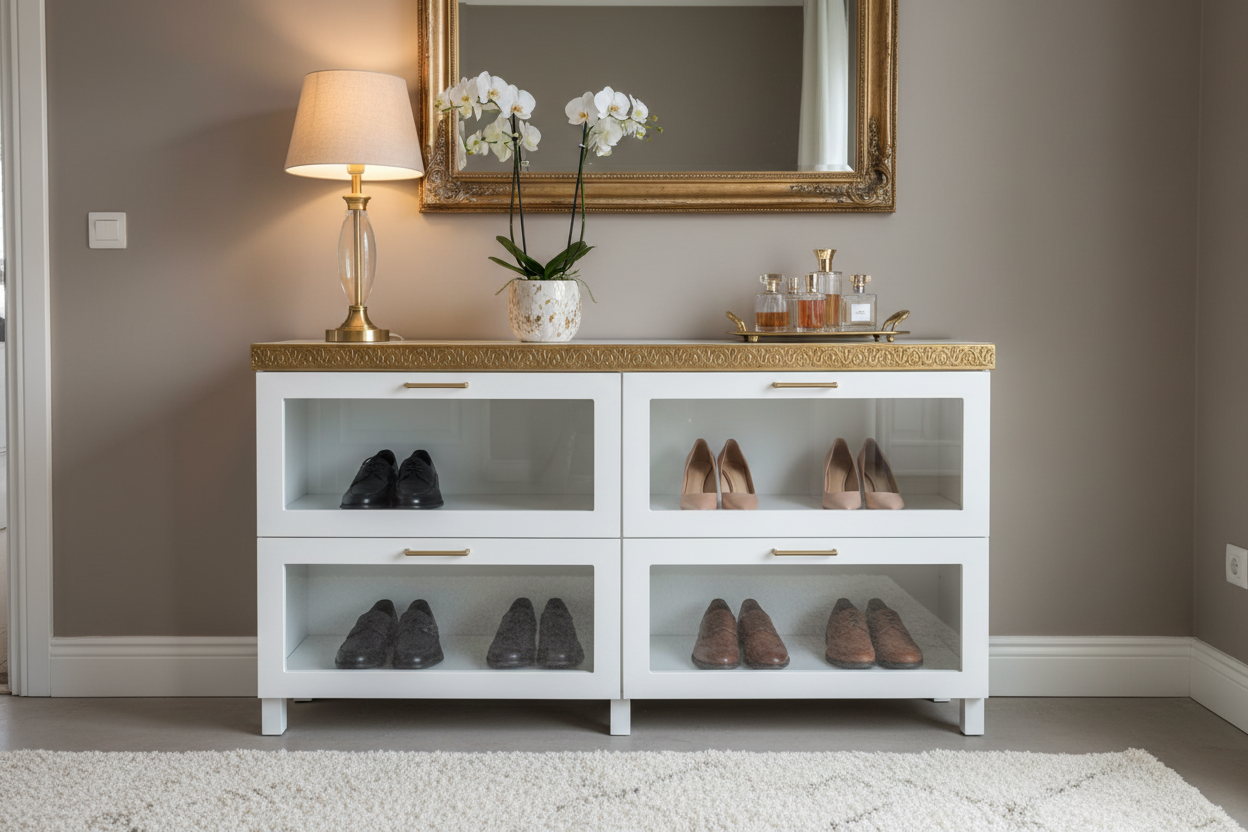
Alternatively, a front hall bench with a lower shelf offers a dedicated place for guests to tuck their shoes. This "walk in bench" concept—where the functionality greets you immediately—encourages guests to adopt your no-shoes policy without you having to ask. By pairing a door entryway bench with wall hooks above it, you create a complete mudroom station without needing a dedicated room. This setup transforms a simple doorway bench seat into a command center for your daily departures and arrivals.
Materials Matter
Durability is non-negotiable for a house entrance bench. This furniture sees wet raincoats, muddy paws, and heavy grocery bags. Solid wood is a classic choice for a front door entryway bench because it can be wiped down and often looks better with a bit of wear and tear. Metal doorway benches offer an industrial look and are incredibly resilient against scuffs and scratches.
If you prefer the comfort of an upholstered foyer entryway bench, ensure the fabric is performance-grade or treated for stain resistance. Leather or faux leather is often a superior choice for a bench for entryway hallway placement because it allows for easy cleaning. You want a front door bench that invites you to sit, not one that you are afraid to touch.
Placement and Scale
Where you place the item is just as critical as what you buy. A bench for front entry needs to allow for the door to swing fully open without obstruction. Ensure there is at least three feet of walking clearance past the bench so the flow of traffic isn't choked. If you have a grand staircase, placing benches for foyer entry usage at the base of the stairs can fill dead space and add a touch of luxury.
Scale is equally important. A tiny bench in a massive foyer looks lost, while a massive entry room bench in a small apartment feels suffocating. Measure your available wall space carefully. A good rule of thumb for a bench by front door placement is to leave about 6 to 12 inches of wall space on either side of the furniture to let the area breathe. Whether it is a simple door bench or an elaborate storage unit, the fit must feel intentional.
Final Thoughts on Entryway Seating
Ultimately, the addition of an entrance seat is about hospitality—both for your guests and for yourself. It provides a moment of pause. Whether you choose a rustic bench for entryway hallway charm or a sleek, modern front entryway bench, the utility remains the same. It organizes your space, protects your floors from outdoor debris, and offers a warm welcome. By carefully selecting a home entrance bench that fits your lifestyle and your square footage, you reclaim the entrance of your home, turning it from a chaotic drop zone into a curated introduction to your life.
Frequently Asked Questions
How tall should an entryway bench be?
Standard bench height typically falls between 18 and 20 inches. This height is ideal for most adults to sit comfortably while putting on shoes. If you are looking for a bench for the foyer that will be used primarily by children, you might opt for something slightly lower, around 16 inches.
Can I put a bench in a narrow hallway?
Yes, absolutely. For narrow spaces, look for a hallway bench with a depth of 12 to 15 inches to ensure it doesn't obstruct the walkway. Backless designs or floating benches are excellent choices for keeping the visual weight light in tight corridors.
What is the best material for a high-traffic front door bench?
Solid wood or metal are the most durable options for high-traffic areas as they withstand moisture and impact well. If you prefer upholstery for your front door seat, choose performance fabrics, leather, or vinyl that can be easily wiped clean of mud and dirt.

Dejar un comentario
Este sitio está protegido por hCaptcha y se aplican la Política de privacidad de hCaptcha y los Términos del servicio.