










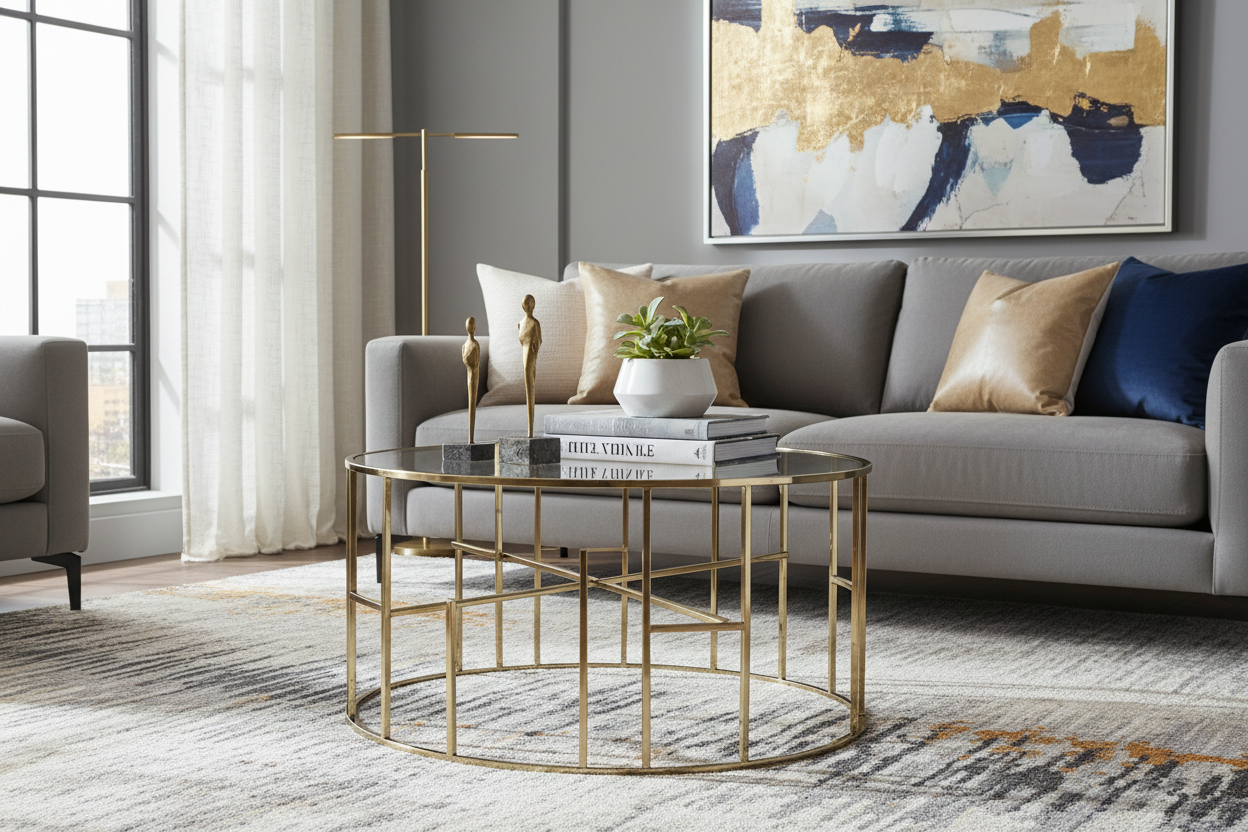
Interior design often feels like a balancing act between soft textures and hard surfaces. While plush sofas and wool rugs provide comfort, a room can start to feel undefined without structural elements to ground it. This is where decorative metal tables come into play. They aren't just functional landing pads for your coffee cup; they are stylistic anchors that introduce sheen, industrial durability, and architectural interest to a space. Whether you are looking to add a touch of modern minimalism or rustic farmhouse charm, metal offers a versatility that wood simply cannot match.
Choosing the Right Silhouette for Your Space
The shape of your furniture dictates the flow of traffic in a room. In tighter living areas, bulky wooden furniture can make the space feel claustrophobic. An all metal side table often features thinner legs and an open base, creating a sense of visual lightness. This "negative space" allows light to pass through, making the room appear larger than it actually is.
For narrow gaps between a sofa and a wall, a small metal rectangular side table is usually the best candidate. These elongated shapes maximize surface area without protruding into the walking path. If you are dealing with a particularly cramped layout, looking for a specific metal chairside table can solve the issue. These are designed to be taller and narrower, sitting flush against the arm of a recliner or couch, providing just enough space for a remote and a drink without demanding valuable square footage.
Alternatively, a small metal stand table works wonders as a pedestal for indoor plants or sculptures. Because metal is less susceptible to water rings than wood, it is a safer choice for holding greenery that might occasionally drip during watering.
Functionality: Drawers and Shelves
A common misconception is that metal furniture is purely aesthetic and lacks the storage capacity of heavy wooden cabinetry. This isn't the case. If clutter is a concern, a metal accent table with drawers offers the best of both worlds: the sleek look of metal with the utility of hidden storage. A well-constructed metal side table drawer usually operates on smooth glides, perfect for stashing away coasters, charging cables, or reading glasses.
If you prefer open storage for stacking books or displaying decor, a metal side table with shelf capabilities is ideal. The lower shelf adds structural integrity to the table while doubling your display space. This dual-level design is particularly useful in minimalist homes where every piece of furniture needs to serve a purpose. For those who like to rearrange frequently, a lightweight room 2 room metal accent table is a smart buy. These versatile pieces are designed to be easily relocated, serving as a nightstand one week and a living room end table the next.
Texture and Finish: From Tin to Matte White
Metal doesn't always mean shiny chrome or black iron. The finish you choose can dramatically alter the mood of the room. Tin end tables, for example, bring a distinct vintage or bohemian flair. A punched or embossed tin side table introduces texture and pattern, catching the light in unique ways that flat surfaces can't. These pieces often work well in eclectic interiors where mixing eras and styles is encouraged.
On the opposite end of the spectrum, a white metal accent table fits seamlessly into coastal, Scandinavian, or modern farmhouse designs. The white finish softens the industrial nature of the material, making it feel airy and clean. It pairs beautifully with light woods and linen fabrics. When selecting decorative metal side tables, pay close attention to the finish. Powder-coated finishes are generally more durable and resistant to chipping, which is a crucial factor if the table will see heavy daily use.
A Note on Mixing Materials
I distinctly remember a project where the living room felt overly heavy. The homeowner had a leather chesterfield sofa and dark oak bookshelves. It felt like a library that hadn't been dusted in a decade. We needed to break up the visual weight. I introduced a pair of hammered silver metal tables with slender legs. The transformation was immediate. The metal reflected the ambient light, brightening the dark corners, and the cool touch of the metal provided a necessary contrast to the warm, aging leather. It taught me that metal isn't just about durability; it's about balance. You don't need to match metal to metal. In fact, a metal table looks best when it's the only metal piece in a sea of fabric and wood.
Budgeting and Buying Sets
One of the most attractive aspects of this material is affordability. You can easily find a cheap metal side table that looks far more expensive than it is. Because metal manufacturing is efficient, even budget-friendly options tend to be sturdy. However, "cheap" shouldn't mean flimsy. Check the welding points and ensure the table sits level on the floor.
If you are furnishing a new apartment or doing a complete overhaul, purchasing a metal end table set can save time and ensure consistency. Sets usually come with two matching tables, or sometimes a coffee table and end table combination. While symmetry is traditional, don't be afraid to break up a set. Use one table in the living room and its partner in the bedroom to create a cohesive design language throughout the home without making the living room look like a furniture showroom display.
Maintenance and Care
Maintaining these tables is generally easier than caring for wood, but they aren't invincible. Dust can accumulate quickly on static-prone metal surfaces. A simple wipe with a microfiber cloth usually does the trick. For textured surfaces like those found on tin tables, you may need a soft brush to get dust out of the crevices. Avoid abrasive scrubbers that could scratch the finish, especially on painted items like a white metal table. If you live in a humid climate, keep an eye out for rust on unsealed iron, though most modern indoor tables come with protective coatings to prevent this.
Frequently Asked Questions
Do metal side tables scratch easily?
It depends on the finish. Powder-coated metal and distressed finishes (like galvanized tin) hide scratches well and are quite durable. However, high-gloss chrome or polished surfaces can show micro-scratches over time, so use coasters and avoid dragging rough objects across the surface.
Can I use an indoor metal accent table outside?
Not always. While metal is durable, indoor tables often lack the weather-resistant coating required to prevent rust from rain and humidity. If you want to use a metal table on a patio, ensure it is specifically rated for outdoor use or apply a clear weather-proofing sealant yourself.
How much weight can a small metal stand table hold?
Most small metal tables are surprisingly strong due to the rigidity of the material, easily holding 20 to 50 pounds depending on the construction. However, always check the manufacturer's specifications, especially for tables with very thin legs or glass insets.


Dejar un comentario
Este sitio está protegido por hCaptcha y se aplican la Política de privacidad de hCaptcha y los Términos del servicio.