










I remember the first time I finally wall-mounted my 55-inch TV. I felt like a DIY genius for about ten minutes until I sat back on the sofa. Instead of a sleek, minimalist masterpiece, it looked like a lonely black rectangle floating in a sea of beige drywall. It felt like a hotel room—and not the fancy kind. I realized then that a flat screen tv wall cabinet isn't just about storage; it is the visual anchor that keeps your living room from looking like an unfinished basement.
- A floating cabinet grounds the TV and prevents the 'postage stamp' look on large walls.
- Always choose a unit wider than your screen to maintain visual balance.
- Enclosed units are superior for hiding the 'cable spaghetti' that ruins clean lines.
- Mounting the cabinet 8-10 inches off the floor keeps the room feeling airy.
The 'Floating Void' Mistake Everyone Makes
We have all seen it: a beautiful, thin TV bolted to the wall with absolutely nothing underneath it. Maybe there is a stray power strip or a tangled mess of HDMI cables dangling like vines. This is what I call the floating void. Without a base, the TV feels top-heavy and the wall feels massive. It creates a weird tension in the room because your eyes don't know where the 'ground' is.
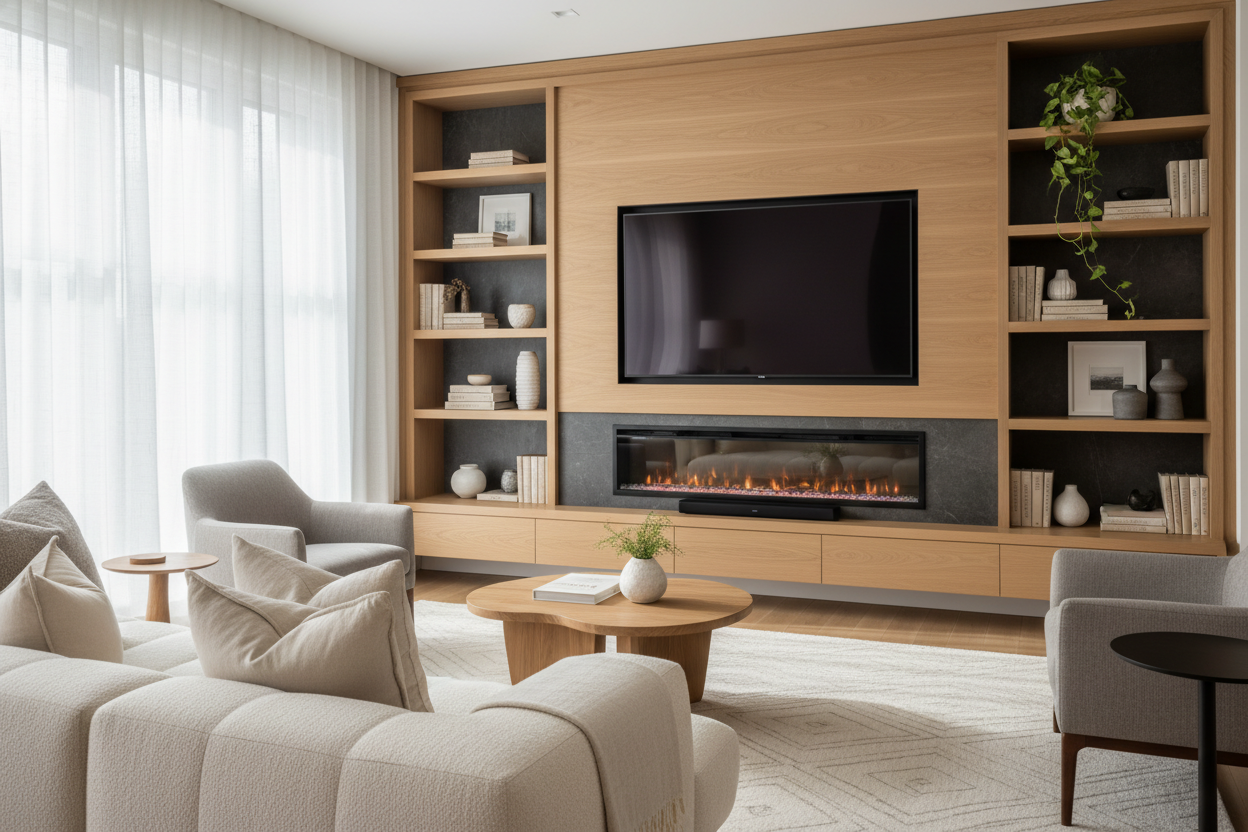
When you mount a TV to save space, you often end up with an awkward expanse of nothingness. I tried to live with this for a month, thinking I'd get used to it. I didn't. It felt like my TV was a piece of art that someone forgot to frame. Adding a flat screen wall unit gives that screen a place to live. It defines the 'media zone' without the bulk of a traditional, heavy floor-standing console.
Why a Flat Screen TV Wall Cabinet is the Perfect Bridge
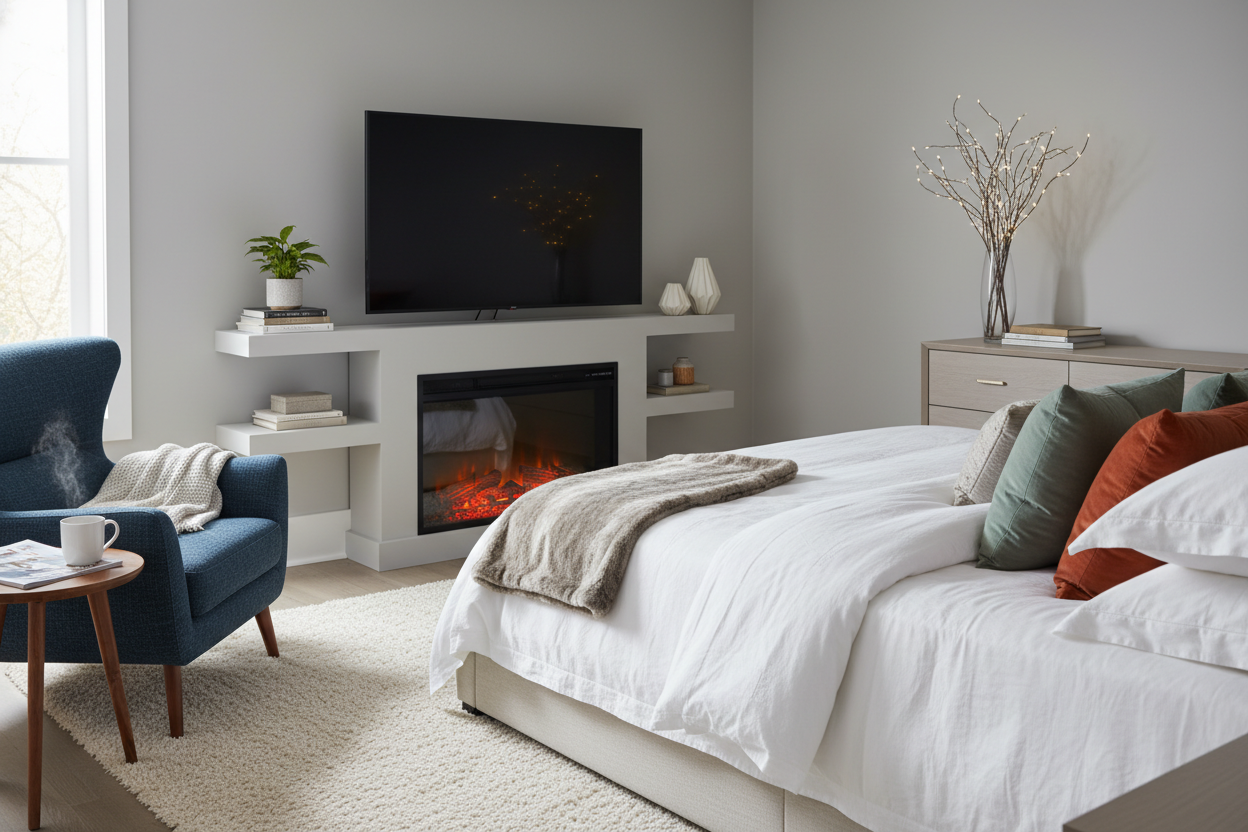
If you want that high-end, custom-built look without the $5,000 contractor bill, you need to look at wall mounted tv cabinets for flat screens. These aren't your standard floor-based TV stands. They are shallower, sleeker, and designed to sit off the ground. By installing a wall mounted media console, you keep your floor visible, which actually makes a small room feel much larger than it is.
I personally prefer these because they don't collect dust bunnies underneath in the same way a legged cabinet does. You can run a vacuum right under them. These flat screen tv wall cabinets act as a bridge between your tech and your decor. They provide a shelf for a soundbar or a place to tuck away a gaming console, ensuring your wall looks intentional rather than accidental.
Getting the Proportions Right (So It Doesn't Look Tiny)
This is where most people mess up. If you have a 65-inch TV, do not buy a 60-inch cabinet. It makes the TV look like it's about to tip over. The golden rule is that your cabinets under tv mounted wall should be at least 20% wider than the screen itself. You want to create a visual pedestal. If the cabinet is narrower than the TV, you get the 'lollipop effect'—a big head on a tiny stick.
Before you commit, I always suggest you browse different TV stands and measure your wall twice. I once bought a 48-inch unit for a 50-inch TV because it was on sale, and I regretted it every time I walked into the room. It looked cramped. Aim for a piece that leaves a few inches of breathing room on either side of the screen's edges. This creates a sense of luxury and scale that a perfectly flush unit just can't match.
Hiding the Wires Without Sacrificing Style
The biggest enemy of a clean home is the cable nest. An enclosed tv wall cabinet is the only real solution here. While some people try to use those plastic cord-hider strips, they always look like an afterthought. A proper tv wall mount cabinet allows you to route cables through the back of the unit and into the wall (or behind the unit itself), keeping them completely out of sight.
I’m a stickler for this. I use a recessed media box behind the TV and then drop the cables down to the cabinet. If you have a flat screen tv cabinet wall mount that features flip-down doors, you can hide the router, the Apple TV, and the messy power strips. It makes the whole setup look architectural. It's the difference between a 'dorm room' vibe and an 'adult apartment' vibe.
How to Style Your New Wall Setup
Once the cabinet is up, don't just leave it bare. But also, don't clutter it. The top of a flat screen wall unit is prime real estate for a few well-chosen items. I usually go for an asymmetrical look: a stack of three coffee table books on one side and a low-light trailing plant, like a Pothos, on the other. You want items that are low-profile so they don't block the screen.
In my own home, I found that adding a modern wall cabinet for living room storage allowed me to clear off my coffee table too. I put my remotes and coasters in the cabinet when I'm not using them. Keep the colors neutral so the eye stays on the TV when it's on, but the wall still looks styled when the TV is off. Avoid shiny or reflective objects right under the screen—nothing ruins a movie night like a lamp reflecting off the bottom of the glass.
FAQ
How high should I mount my TV wall cabinet?
Generally, you want the bottom of the cabinet to be about 8 to 12 inches off the floor. This leaves enough room for a robot vacuum to pass under and keeps the TV at a comfortable eye level when seated.
Can I install a wall mounted TV cabinet on drywall?
You absolutely must hit the studs. These units are heavy, and once you add a soundbar and books, they can pull right out of plain drywall. If the studs don't line up with your mounting brackets, use a piece of 3/4-inch plywood as a 'cleat' screwed into the studs first.
Do I need an enclosed cabinet or an open shelf?
Go enclosed if you have messy tech like gaming consoles or cable boxes. Go open if you only have a soundbar and want a more airy, bookshelf-style look. Enclosed is usually better for hiding dust.

Dejar un comentario
Este sitio está protegido por hCaptcha y se aplican la Política de privacidad de hCaptcha y los Términos del servicio.