










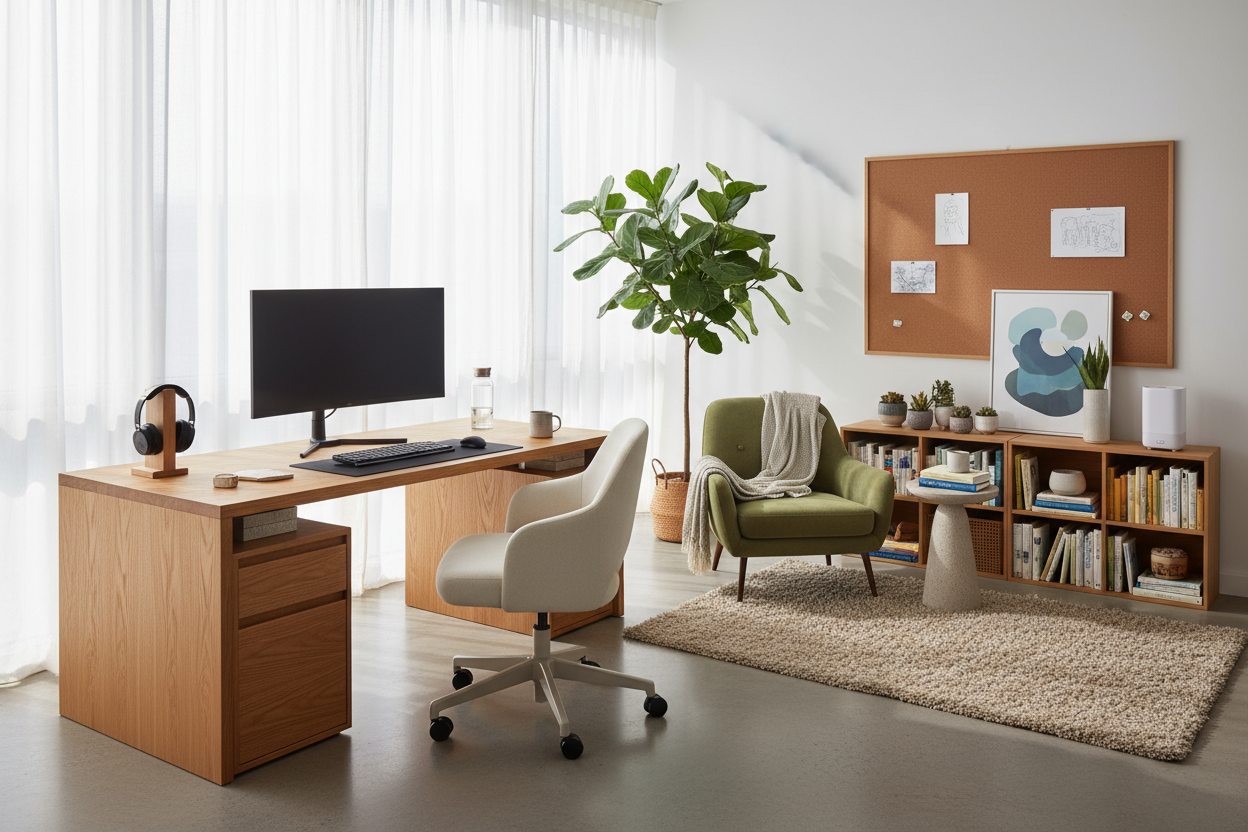
We have all experienced the fatigue of a poorly designed workspace—the midday slump caused by inadequate lighting or the physical strain of a chair that prioritizes looks over lumbar support. As an interior designer, I often see clients treating their workspace as an afterthought, repurposing dining chairs or ignoring acoustics. However, a truly effective workspace requires intentional curation. To curate the best things to have in your office, you must balance ergonomic necessity with aesthetic clarity, creating a zone that invites focus rather than fatigue.
Core Essentials for a Functional Workspace
- Ergonomic Seating: Prioritize adjustable lumbar support, seat depth, and breathable materials like mesh or high-grade leather.
- Layered Lighting: Combine ambient overhead light with focused task lighting (aim for 3000K-4000K color temperature).
- Closed Storage: Use credenzas or filing cabinets to hide visual clutter and reduce cognitive load.
- Biophilic Elements: Incorporate live plants to improve air quality and soften hard architectural lines.
- Tactile Surfaces: Choose natural wood or linoleum desk surfaces for warmth and durability.
The Foundation: Ergonomics Meets Aesthetics
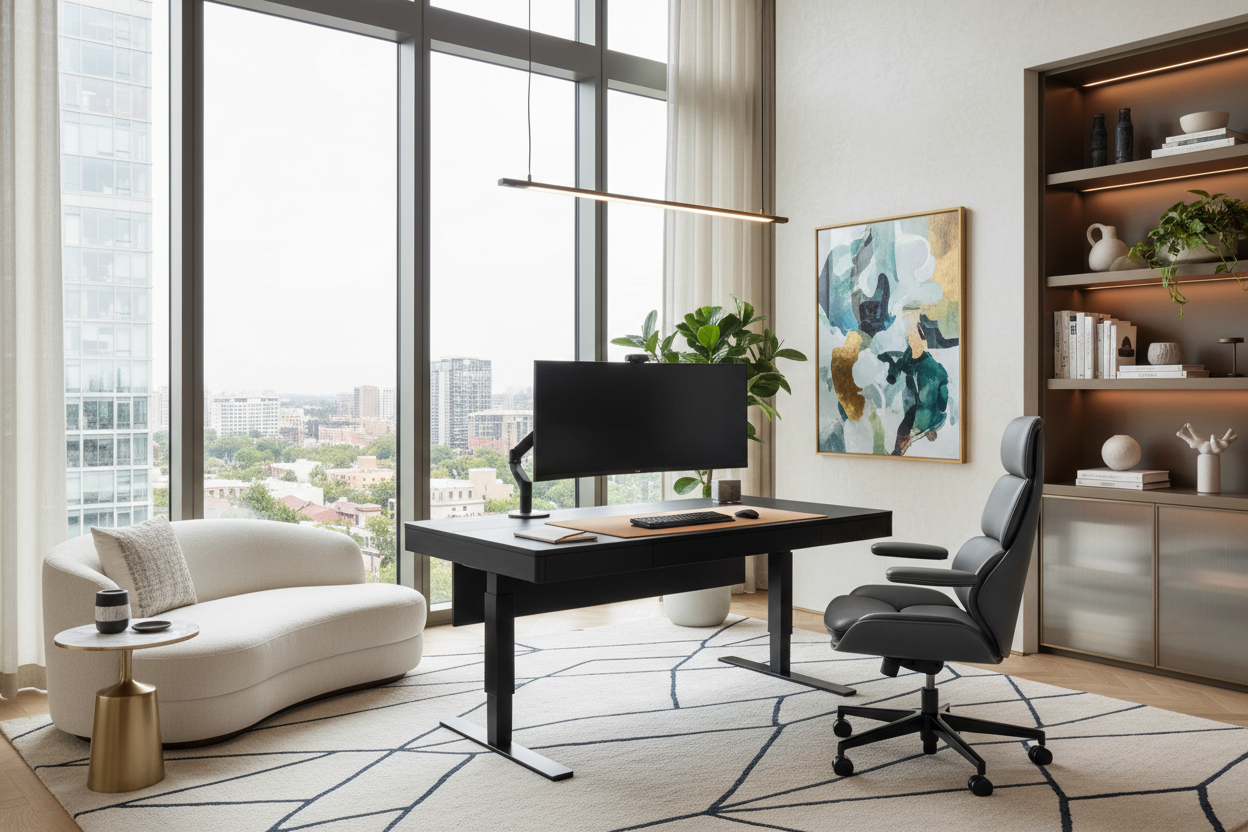
When clients ask what should i have in my office first, the answer is invariably the chair. However, do not confuse a "managerial" look with actual performance. A high-back leather chair might command authority, but if it lacks synchro-tilt mechanisms or breathable upholstery, it becomes a liability during long work sessions. Look for a silhouette that complements the room's scale without dominating it. If your office is in a shared living area, consider a high-performance chair with a fabric finish that bridges the gap between commercial utility and residential softness.
Lighting Layers: The Invisible Design Element
One of the most critical aspects of what to have in your office is a proper lighting plan. Relying solely on a ceiling can creates harsh shadows that strain the eyes. I always advise a three-point lighting strategy:
- Ambient: Soft, general illumination to banish dark corners.
- Task: An articulated desk lamp with a high CRI (Color Rendering Index) to keep colors true and text sharp.
- Accent: A floor lamp or picture light to add warmth and depth to the room.
Managing Visual Noise: Storage and Layout
When deciding what to put in office spaces, consider the concept of "visual noise." Open shelving is beautiful for styling curated objects, but it often devolves into clutter. For a professional finish, invest in closed storage solutions like a credenza or a lateral file cabinet. This allows you to tuck away printers, papers, and cords, leaving your surfaces clear for deep work. Position your storage within arm's reach of your primary work zone to maintain flow.
Textiles and Acoustics
Hard surfaces bounce sound, creating an echo that makes conference calls difficult. Introduce a high-pile wool rug or heavy drapery. These elements not only anchor the furniture arrangement but also dampen sound, making the room feel quieter and more intimate.
My Personal Take on Office Essentials
In my early years of design, I made the mistake of specifying a stunning, glass-topped desk for my own studio because it looked incredibly sleek and "weightless" in a small room. It was a disaster. The glass was perpetually cold on my forearms, creating discomfort while typing, and it amplified the sound of every pen drop or mug placement. It also acted as a magnet for fingerprints, requiring constant cleaning to maintain that "sleek" look.
I swapped it out for a solid walnut desk with a linoleum inlay six months later. The difference was immediate—the wood felt warm to the touch, the acoustics dampened, and the matte surface was forgiving of daily use. That experience taught me that the best things to have in your office are those that age gracefully and support your body, not just your eyes.
Conclusion
Transforming your office isn't about buying the most expensive items; it's about selecting pieces that serve a distinct purpose. By investing in supportive seating, layered lighting, and materials that feel good to the touch, you create an environment that respects your work. Start with the essentials, and let the decor evolve as you inhabit the space.
Frequently Asked Questions
What is the most important thing to have in a small home office?
In a compact space, vertical storage is vital. Use wall-mounted floating shelves to keep the floor clear. Additionally, choose a desk with a visually light footprint (like legs rather than a solid block) to make the room feel larger.
How do I choose the right desk size?
Standard desk height is 29 to 30 inches. For width, ensure you have at least 48 inches to accommodate a laptop and documents comfortably. Always measure your chair's arm width to ensure it can tuck under the desk when not in use.
What decor items help with productivity?
Biophilic design—specifically low-maintenance plants like Snake Plants or Pothos—has been shown to reduce stress. A dedicated analog zone, such as a pinboard or whiteboard, can also help organize thoughts away from the digital screen.

Leave a comment
This site is protected by hCaptcha and the hCaptcha Privacy Policy and Terms of Service apply.