










I remember walking into a client's dining room last year. She had this beautiful, solid oak china cabinet that had been in her family for decades. 'I never use my formal china anymore,' she told me, 'but I can't bear to get rid of this piece. It just sits there empty.' That's when I realized how many people have these gorgeous cabinets that feel stuck in the past. If you're wondering what to put in a china cabinet beyond your grandmother's porcelain, you're not alone. After furnishing over 200 homes, I've found that the most interesting china cabinet displays often have nothing to do with dishes at all.
Quick Takeaways
- Think of your cabinet as a curated gallery, not just storage
- Use the rule of threes for grouping items (three objects of varying heights)
- Leave 30-40% negative space to prevent visual clutter
- Layer items from back to front, with tallest pieces in back
- Consider lighting - LED strip lights can transform a dark cabinet
Why Your China Cabinet Deserves More Than Just Dishes
China cabinets were originally designed for formal dining rooms, back when people actually used their 'good china' regularly. But modern North American living has changed. Most of my clients eat in their kitchens or at kitchen islands. The formal dining room has become a multi-purpose space - homework station, craft area, occasional guest dining. Your china cabinet should reflect how you actually live. I've helped clients transform these pieces into everything from home office supply centers (behind those beautiful glass doors) to collections of vintage pottery that they use every day. The key is recognizing that this piece of furniture has amazing display potential - the glass doors protect items from dust, the shelves are adjustable, and the lighting (if you have it) creates a museum-like showcase effect.
The Designer's Approach to China Cabinet Styling
When I style a china cabinet, I start with three principles: balance, variety, and breathing room. First, I empty everything out completely. Then I think about visual weight - heavy, dark items on one side need to be balanced with something of similar visual weight on the other. I always include items of different heights. For a standard 72-inch tall cabinet, I might use a 14-inch tall vase, stack of books that's 8 inches, and a small 4-inch sculpture together. This creates natural movement for the eye. Don't forget about how to display china in a china cabinet if you do have special pieces - the same principles apply. Leave at least 2 inches of space between items and the glass doors so nothing feels cramped.
What to Put in Your China Cabinet (Beyond Dinnerware)
This is where it gets fun. I've filled cabinets with collections of vintage hardcover books (arranged by color), artisanal ceramics from local potters, and even beautiful barware for people who love to entertain. One client had a stunning collection of sea glass arranged in clear apothecary jars - the light caught them beautifully. Another used hers to display her grandmother's costume jewelry draped over small stands. The trick is to choose items that mean something to you, not just what you think 'should' go in a china cabinet. If you love cooking, display your beautiful olive oil bottles and fancy salts. If you travel, create a mini-museum of souvenirs. For elegant ideas for showcasing treasures, think about how professional museums display items - with careful spacing and thoughtful lighting.
Collections That Tell Your Story
I worked with a photographer who displayed his vintage camera collection in his china cabinet. We used small acrylic stands to angle each camera, with black velvet underneath to reduce glare. The cabinet's glass doors kept them dust-free while allowing full visibility. For pottery collections, I recommend grouping by color or style. Leave at least 4 inches between pieces so each can be appreciated. If you have travel souvenirs, create little vignettes - a small rug from Morocco with a lantern and some spices in beautiful containers. The cabinet becomes a conversation starter rather than just furniture.
Functional Displays for Everyday Living
Why hide your beautiful things in cupboards? I encourage clients to display items they actually use. Beautiful glassware doesn't need to wait for special occasions - arrange your favorite wine glasses, cocktail shakers, and decanters artfully. For a client who loves baking, we displayed her grandmother's mixing bowls stacked with modern measuring cups. The key is to keep it organized. Use trays to corral smaller items, and consider the cabinet's depth - most are 16-18 inches deep, so you can create layers. Put taller items in back, medium in middle, and smaller in front, all visible through the glass.
How to Decorate a China Cabinet for Different Room Styles
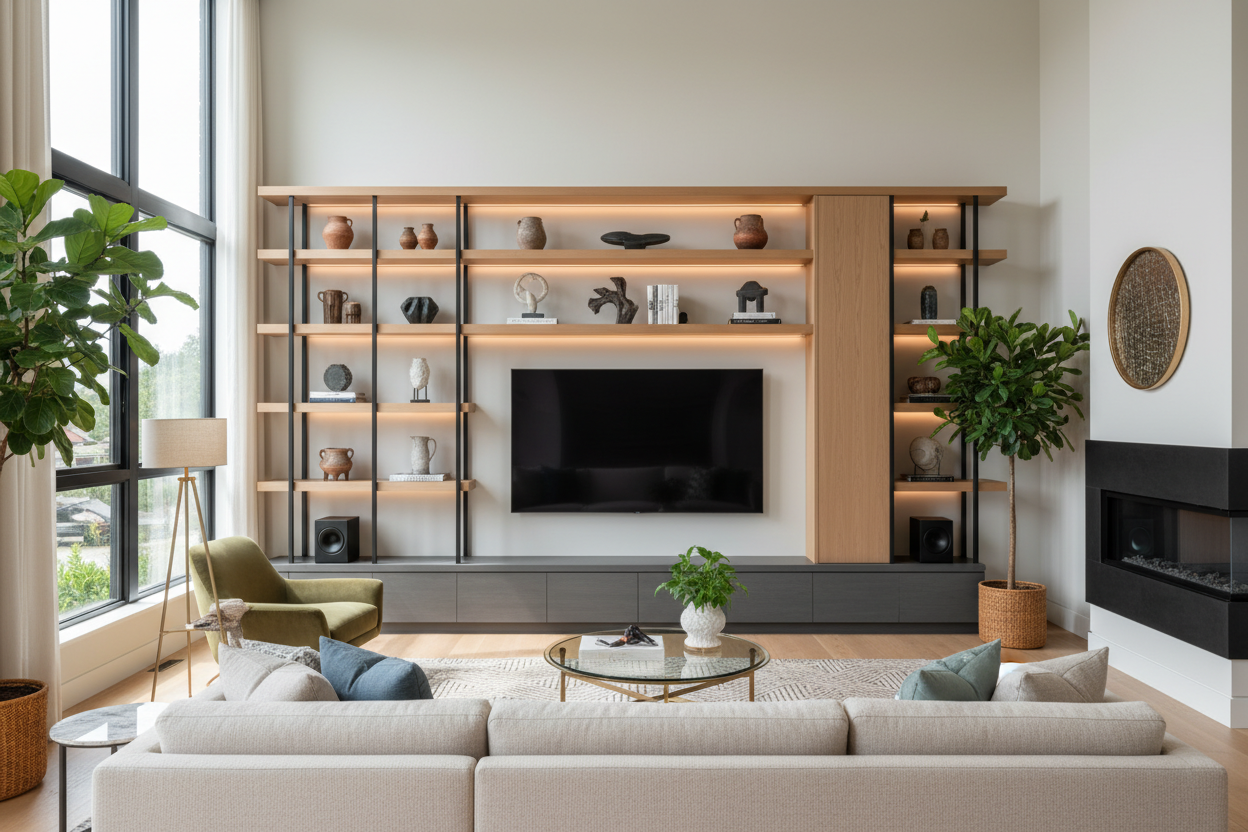
Your display should complement your home's overall aesthetic. For modern minimalist spaces, I recommend editing ruthlessly. A white display case with glass doors looks stunning with just 3-5 carefully chosen objects per shelf. Think sculptural vases, a single art book opened to a beautiful page, or a collection of identical objects (like all white ceramics). For traditional cozy spaces, you can be more abundant. Mix patterns, include family photos in beautiful frames, layer textiles. A black cabinet with glass doors creates drama in contemporary spaces - perfect for displaying metallic items, colored glass, or collections with strong graphic elements.
Small Space Solutions: Making Every Inch Count
Not everyone has a grand dining room. For smaller cabinets or apartments, every decision matters. First, maximize vertical space. If your cabinet has adjustable shelves (most do), space them according to what you're displaying rather than using the factory settings. For a collection of small perfume bottles, shelves might be just 8 inches apart. For tall vases, you might need 14 inches. Corner cabinets can be tricky - the back corner often becomes a black hole. Solution? Use lighting. A simple battery-operated LED puck light can illuminate that dark corner. For a corner china cabinet with frosted glass, the frosted doors diffuse light beautifully. Use acrylic risers to create different levels on each shelf, making more items visible.
Seasonal Updates: Keeping Your Display Fresh Year-Round
You don't need to completely overhaul your cabinet every season. Small changes make a big impact. In spring, I might add a few pieces of green glass or ceramic birds. Summer could mean incorporating seashells or lighter-colored textiles. For fall, swap out some items for warmer tones - amber glass, wooden bowls, dried botanicals. Winter is perfect for adding metallic accents or white ceramics that catch the light. The key is having a 'core' collection that stays year-round, then rotating 20-30% of items seasonally. This takes maybe 30 minutes every few months but keeps your display feeling current.
Personal Experience: When China Cabinet Styling Goes Wrong
Early in my career, I made the mistake of overfilling a client's cabinet. I was so excited about all her beautiful collections that I packed every shelf. The result? Visual noise. You couldn't appreciate any single item. Now I follow the 'edit, then add back' method. Remove everything, choose your absolute favorites, then add only those. Leave the cabinet for a day, then look with fresh eyes. If it feels crowded, remove two more items. Another lesson: lighting matters more than you think. I once styled a beautiful cabinet only to realize at night that the interior was too dark. Now I always recommend adding lighting if the cabinet doesn't have it - battery-operated LED strips are easy to install and make everything look more intentional.
FAQ
How often should I change my china cabinet display?
There's no rule, but I suggest a light refresh seasonally (4 times a year) and a complete re-style every 2-3 years as your tastes evolve.
Should everything in my cabinet match?
No! Variation creates interest. Mix materials (glass, ceramic, wood, metal), textures (smooth, rough, glossy), and scales (large, medium, small).
How do I prevent dust buildup?
Glass doors help tremendously. For extra protection, make sure the doors seal well. If items do get dusty, a soft makeup brush works wonders for delicate pieces.
Can I mix expensive and inexpensive items?
Absolutely. Some of my favorite displays mix heirloom pieces with items from thrift stores or even nature (beautiful rocks, dried branches). It's about curation, not cost.

Leave a comment
This site is protected by hCaptcha and the hCaptcha Privacy Policy and Terms of Service apply.