










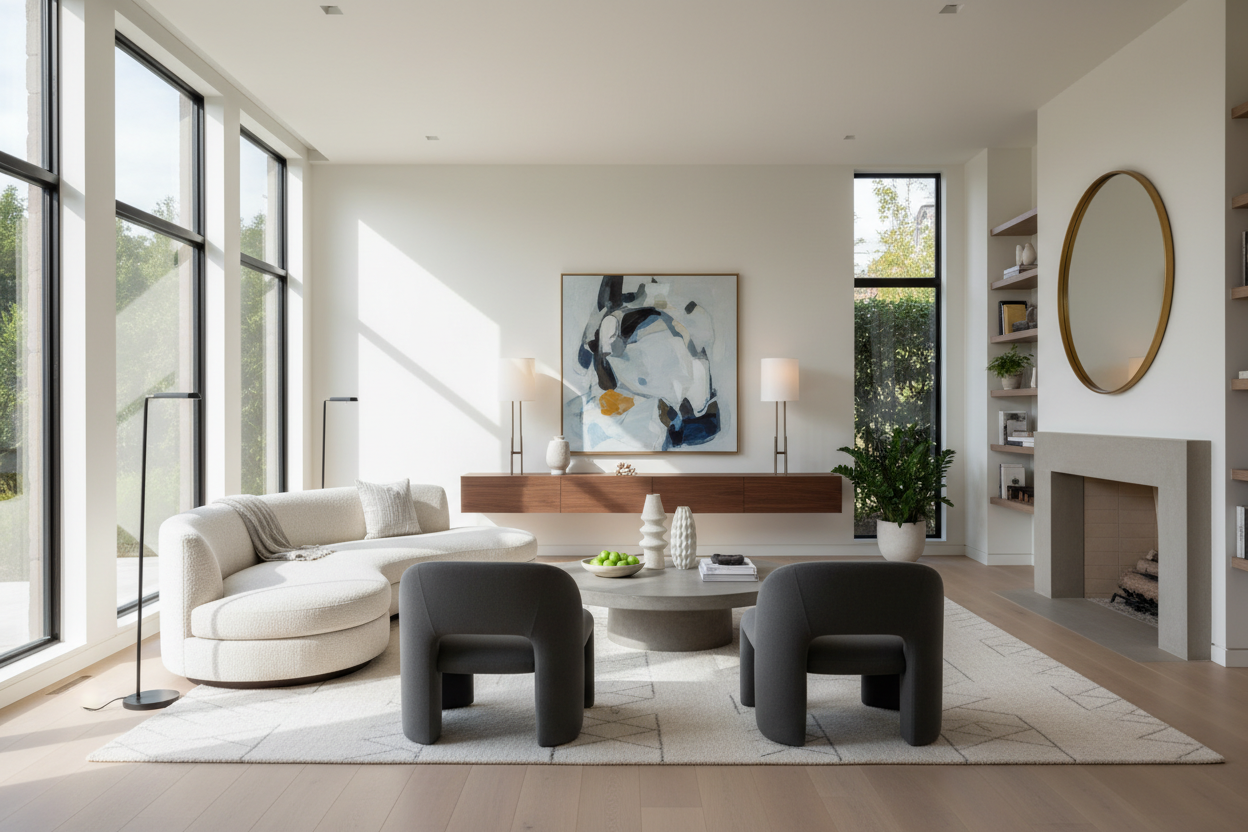
There is a distinct difference between a showroom that looks pristine and a living room that feels livable. One is for admiration; the other is for habitation. The most common dilemma I see clients face is falling in love with a silhouette that offers zero ergonomic support, or conversely, buying bulky comfort pieces that ruin the room's visual flow. Achieving a sophisticated home requires a delicate balance. This guide will walk you through selecting modern living room furniture that respects both architectural beauty and the reality of daily life.
Key Features to Look For
Before swiping your card, use this checklist to ensure the piece meets professional design standards. These are the primary factors that separate investment pieces from fast furniture:
- Scale and Proportion: The piece must fit the volume of the room, leaving ample negative space for traffic flow.
- Material Authenticity: Look for honest materials—solid woods, top-grain leathers, and performance natural fibers rather than synthetic imitations.
- Joinery and Construction: Kiln-dried hardwood frames and sinuous spring suspension systems ensure longevity.
- Ergonomic Silhouette: Cool modern living room furniture should still offer lumbar support and appropriate seat depth (typically 21–24 inches).
Defining Materiality and Texture
In modern design, where lines are often clean and ornamentation is minimal, the material becomes the decoration. When sourcing stylish living room furniture, prioritize texture to prevent the space from feeling sterile.
Wood and Metals
Avoid high-gloss lacquers that show every fingerprint. Instead, opt for matte or satin finishes on walnut or white oak. These woods offer a warmth that counteracts the coolness of metal accents. If you are incorporating metal, brushed brass or blackened steel tends to age better than polished chrome, adding a layer of sophistication to living room modern furniture designs.
Upholstery Selection
Fabric choice dictates the room's durability. For high-traffic areas, a heavy-weight bouclé or a tight-weave linen blend offers tactile interest while hiding minor wear. If you prefer leather, understand that aniline leather will develop a patina (scratches and softening) over time, which is desirable for character, whereas pigmented leather remains uniform but feels stiffer.
Space Planning and Layout
The placement of your furniture is just as critical as the furniture itself. Modern day living room furniture is often designed to be viewed from all angles, meaning it rarely belongs pushed against a wall.
Float your sofa. By pulling seating away from the walls, you create an intimate conversation zone and allow the architecture of the room to breathe. Ensure there is at least 30 to 36 inches of walking path around your main seating group. This negative space is what gives modern interiors that airy, uncluttered feeling.
Visual Weight and Balance
A common mistake is grouping too many heavy pieces together. If you have a blocky, ground-hugging modular sofa, pair it with armchairs that have legs. This allows light to pass underneath, balancing the visual weight. Mixing leg styles—such as a tapered wood leg on a chair paired with a plinth base on a sofa—adds a curated, collected feel rather than a "matched set" look.
Lessons from My Own Projects
I want to share a specific lesson I learned the hard way regarding "low profile" furniture. A few years ago, I designed a space for a client who was obsessed with ultra-low, Italian-style lounging sofas. They looked incredible architecturally—keeping the sightlines of the windows completely open.
However, six months later, the client called me. While the sofa was stunning for cocktails, it was miserable for a Tuesday night movie marathon. The back support was so low (around 26 inches high) that there was no place to rest their heads. We ended up having to source oversized, weighted bolster pillows to correct the ergonomics. Now, when I specify low-slung pieces, I always test the "slouch factor" first. If you can't sit in it for two hours without shifting, it doesn't belong in your main living area, no matter how beautiful the silhouette is.
Conclusion
Investing in the right furnishings is about more than just following trends; it is about understanding how you inhabit your space. By focusing on material integrity, proper scale, and ergonomic comfort, you can curate a collection that remains relevant for years. Take your time, measure twice, and prioritize quality over immediacy.
Frequently Asked Questions
How do I mix vintage pieces with modern furniture?
The key is color coordination and scale. If you use a vintage Persian rug, pull colors from it for your modern sofa cushions. Ensure the seat heights of vintage chairs align relatively well with your modern sofa to keep eye levels consistent.
What is the best fabric for a home with pets?
Tight-weave synthetic blends or Crypton fabrics are industry standards for resistance to claws and stains. Avoid loose weaves like chunky knits, which can snag easily, and velvet, which attracts pet hair like a magnet.
How do I choose the right size rug for my modern furniture layout?
The front legs of all major seating pieces should sit on the rug. Ideally, the rug should extend 6–12 inches beyond the sides of the sofa. A rug that is too small will make the furniture look like it is floating aimlessly and shrink the perceived size of the room.

Leave a comment
This site is protected by hCaptcha and the hCaptcha Privacy Policy and Terms of Service apply.