










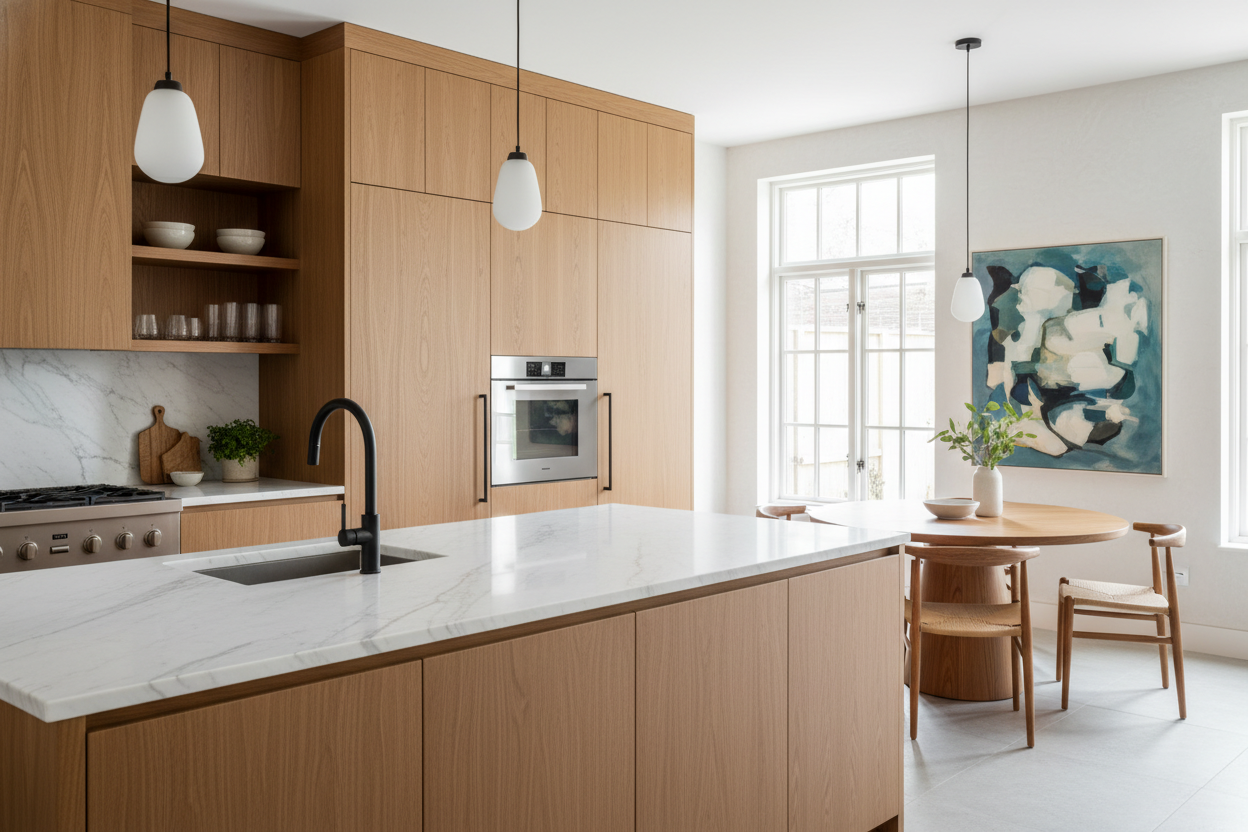
I spent three weeks staring at a two-inch square of rift-sawn white oak before I finally pulled the trigger. I was convinced that custom solid wood kitchen cabinets would somehow make me a better person—the kind of person who doesn't burn toast or let the mail pile up on the island. I wanted that heirloom quality, the heavy 'thunk' of a 3/4-inch thick door, and the knowledge that my kitchen wasn't made of glorified sawdust.
But here is the reality: solid wood is a living, breathing thing. It is temperamental, it reacts to your cooking habits, and it will absolutely punish you if you treat it like a plastic laminate. If you are the type of person who leaves a wet dishcloth hanging over a cabinet door or forgets to turn on the vent hood while boiling a massive pot of pasta, you might want to stick with the cheap stuff.
The Quick Takeaways
- Wood is hygroscopic, meaning it expands and contracts with your home's humidity levels.
- The first scratch is traumatic, but eventually, the 'patina' becomes part of the charm.
- Harsh chemicals will ruin your finish faster than a toddler with a Sharpie.
- Strategic storage for wet or messy items is the only way to keep the wood pristine.
Wait, the Wood Actually Moves?
One morning in July, I tried to open my spice drawer and it put up a fight. It wasn't stuck on a rogue jar of cumin; the wood had simply decided to grow. This is the part the glossy magazines don't tell you: real wood is constantly reacting to the air. In the humid summer, it swells. In the dry winter, it shrinks. If your cabinet maker didn't use kiln-dried lumber or account for 'float' in the panels, you might see small gaps or feel doors getting tight.
I remember the transition from my old apartment's IKEA kitchen. Those cabinets were stable because they were basically plastic-wrapped glue. But ever since solid wood kitchen units ruined me for life, I've had to learn the rhythm of my house. I now keep a hygrometer on my counter. If the humidity drops below 30% or climbs above 55%, I know my doors are going to shift. It’s a small price to pay for the depth and warmth of real grain, but it’s a level of awareness you just don’t need with engineered materials.
The First Scratch Hurts (But Then It Gets Better)
I distinctly remember the first time a cast-iron skillet slipped from my hand and took a literal chunk out of the base cabinet. I nearly cried. When you pay five figures for custom solid wood cabinets, you feel like you're living in a museum. But here's the secret: solid wood can be repaired. You can't sand down a scratch in laminate without hitting the particle board underneath. With solid wood, you can actually fix it.
Different woods handle the 'chaos of life' differently. If you choose modern cherry wood cabinets, you have to be prepared for the color to deepen and redden over the first year as it reacts to sunlight. Maple is hard as a rock but shows every dark spill, while oak is more forgiving of dings because of its heavy grain pattern. You have to embrace the patina. My kitchen looks 'lived in' now, and honestly, the slight wear around the trash pull-out just makes it look like a real home rather than a showroom floor.
How to Clean Custom Solid Wood Cabinets (Put the Bleach Down)
If you take a bottle of Clorox or even most 'all-purpose' sprays to high-end wood cabinets, you are asking for a disaster. Most custom cabinets are finished with a conversion varnish or a high-end lacquer. These finishes are tough, but they aren't invincible. Harsh chemicals can strip the topcoat, leaving the wood vulnerable to moisture—which leads to the dreaded 'graying' of the grain. This is where the wood actually starts to rot under the finish.
My cleaning routine is embarrassingly simple: a soft microfiber cloth, warm water, and maybe one drop of mild dish soap if things are greasy. That’s it. And the most important part? Dry it immediately. I never let water sit on the surface. If I’m boiling a big pot of soup, I run the vent fan on high to pull the steam away from the upper cabinets. It sounds like a lot of work, but once you get into the habit, it takes ten seconds. You're protecting a five-figure investment; it's worth the extra wipe.
Supplementing Your Layout So You Don't Ruin the Wood
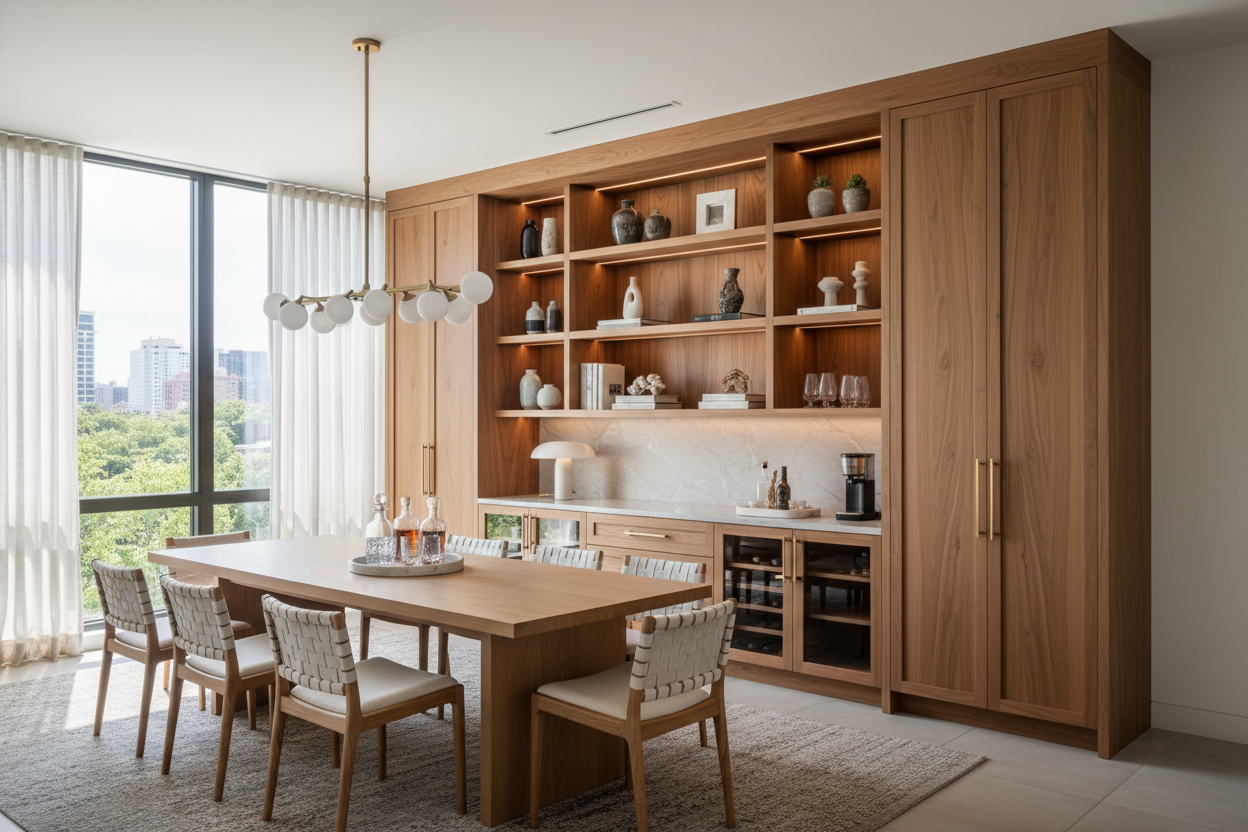
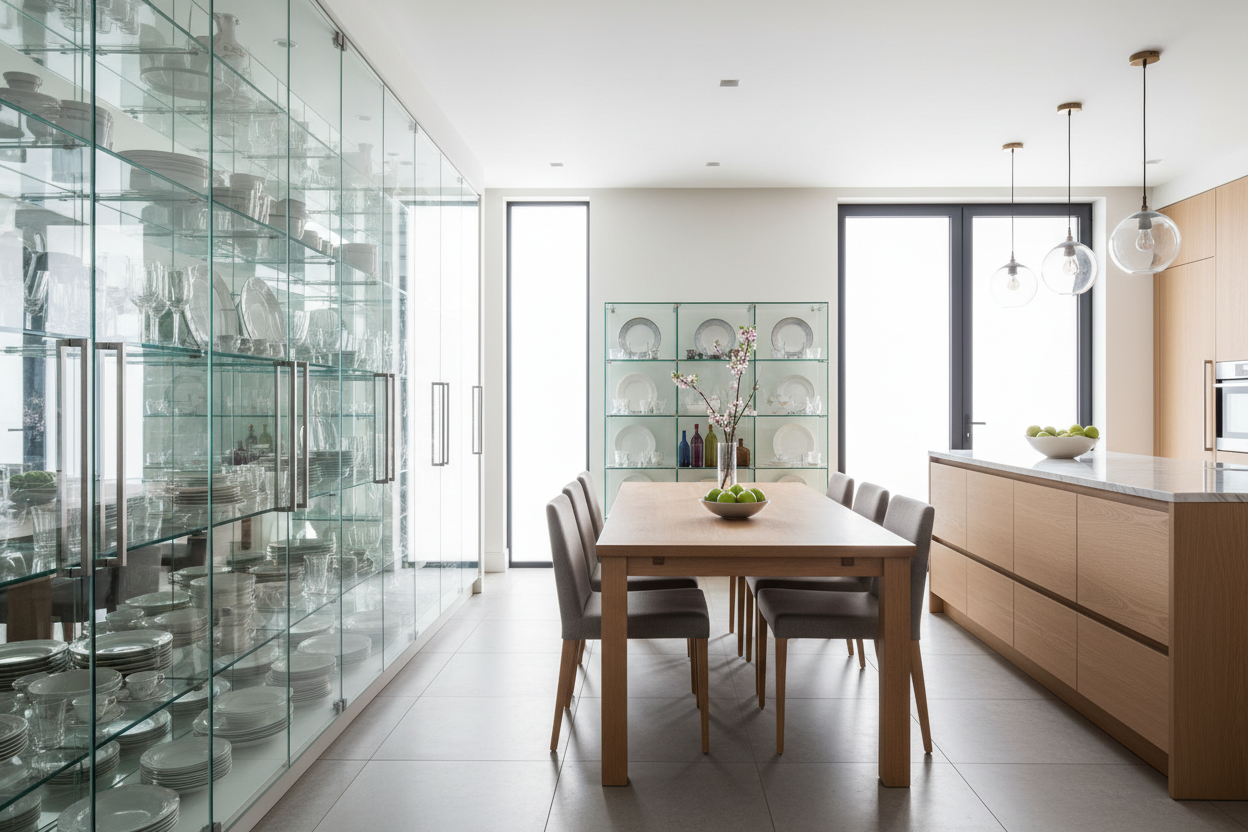
The best way to keep your custom wood cabinets looking new is to keep the messiest parts of your life away from them. I realized early on that my 10-pound jug of olive oil and my industrial-sized vinegar bottles were a recipe for a sticky, stained cabinet floor. I ended up investing in freestanding pantry cabinets for the heavy, spill-prone bulk items. This keeps the 'danger zone' liquids away from my expensive built-ins.
The same goes for the floor level. If your kitchen is the main entry point for your family, your toe-kicks are going to get destroyed by wet boots and salt in the winter. By placing dedicated shoe cabinets in the mudroom or right by the back door, you stop that moisture from ever reaching your kitchen cabinetry. It’s about creating a buffer zone. Keep the heavy-duty storage for the garage or the pantry, and let your kitchen cabinets be the beautiful, functional heart of the home they were meant to be.
My Honest Mistake
Last year, I bought a high-end espresso machine and tucked it neatly under my upper cabinets. I didn't realize that every time I pulled a shot, a tiny puff of steam was hitting the bottom of the cabinet door. Within three months, the finish started to feel 'gummy.' I had to move the machine to a separate cart. Learn from my fail: keep your steam-producing appliances out from under your wood uppers.
FAQ
Can I use furniture polish on my kitchen cabinets?
Avoid it. Most furniture polishes contain silicone or wax that can build up over time, making it nearly impossible to ever refinish or touch up the cabinets later. Stick to a damp cloth and mild soap.
What is the best humidity level for solid wood cabinets?
Aim for a consistent 40% to 50% humidity. If you live in a climate with wild seasonal swings, a whole-house humidifier or dehumidifier is the best insurance policy you can buy for your kitchen.
Are solid wood cabinets more expensive than MDF?
Generally, yes. You're paying for the material, the labor of matching grain patterns, and the durability. While MDF is more stable in terms of expansion, solid wood will last decades longer if maintained properly.

Leave a comment
This site is protected by hCaptcha and the hCaptcha Privacy Policy and Terms of Service apply.