










I remember walking into a client's home last year—they'd just moved into their first house and were so excited about their new dining room. They'd bought a beautiful dining room china cabinet set online that looked stunning in photos, but when it arrived, the proportions were all wrong. The cabinet overwhelmed their 10x12 dining space, and the glass shelves felt flimsy when they tried to display their grandmother's heirloom dishes. That moment reminded me why I always tell clients: choosing the right china cabinet set requires more than just liking how it looks.
Quick Takeaways
- China cabinets serve dual roles: practical storage for dishes and design anchors that define your dining room's entire aesthetic
- Material quality matters more than style—solid wood construction will last decades while engineered options might need replacing in 5-7 years
- Always measure your space before buying: a standard china cabinet needs at least 24 inches of clearance from the dining table for comfortable movement
- Consider your entertaining needs: sets for 8 require larger cabinets (typically 60-72 inches wide) than those for intimate family dinners
- Integrated lighting isn't just decorative—it protects your displays from shadows and makes everyday items easier to access
Why a China Cabinet Set Is More Than Just Storage
When clients ask me about dining room china cabinet sets, they often focus on the storage aspect—and yes, that's important. A well-designed china cabinet provides organized space for your everyday dishes, special occasion china, glassware, and linens. But what I've learned from furnishing over 200 homes is that these pieces do something much more significant: they anchor your entire dining room design.
Think about it—your dining table might be the functional center, but your eyes naturally go to the tallest piece in the room. That's usually the china cabinet. It establishes the style vocabulary for everything else. A traditional oak cabinet with glass-front doors sets a formal tone that works with upholstered chairs and a chandelier. A sleek modern cabinet with clean lines and integrated LED lighting creates a contemporary feel that pairs beautifully with minimalist table settings.
I recently worked with a family who wanted to update their dining space without replacing everything. We started with their dining room collection and built around a transitional china cabinet that blended their existing traditional table with more contemporary accents. The cabinet became the bridge between styles, making the whole room feel intentional rather than mismatched.
Key Design Elements Designers Evaluate First
When I'm evaluating dining room sets with china cabinet options for clients, I always start with five key elements that determine whether a piece will hold up over time or become a disappointment. Construction comes first—I look for dovetail joints in drawers, solid wood frames (not just veneer over particleboard), and smooth-operating hardware. The back panel should be properly secured, not just stapled in place.
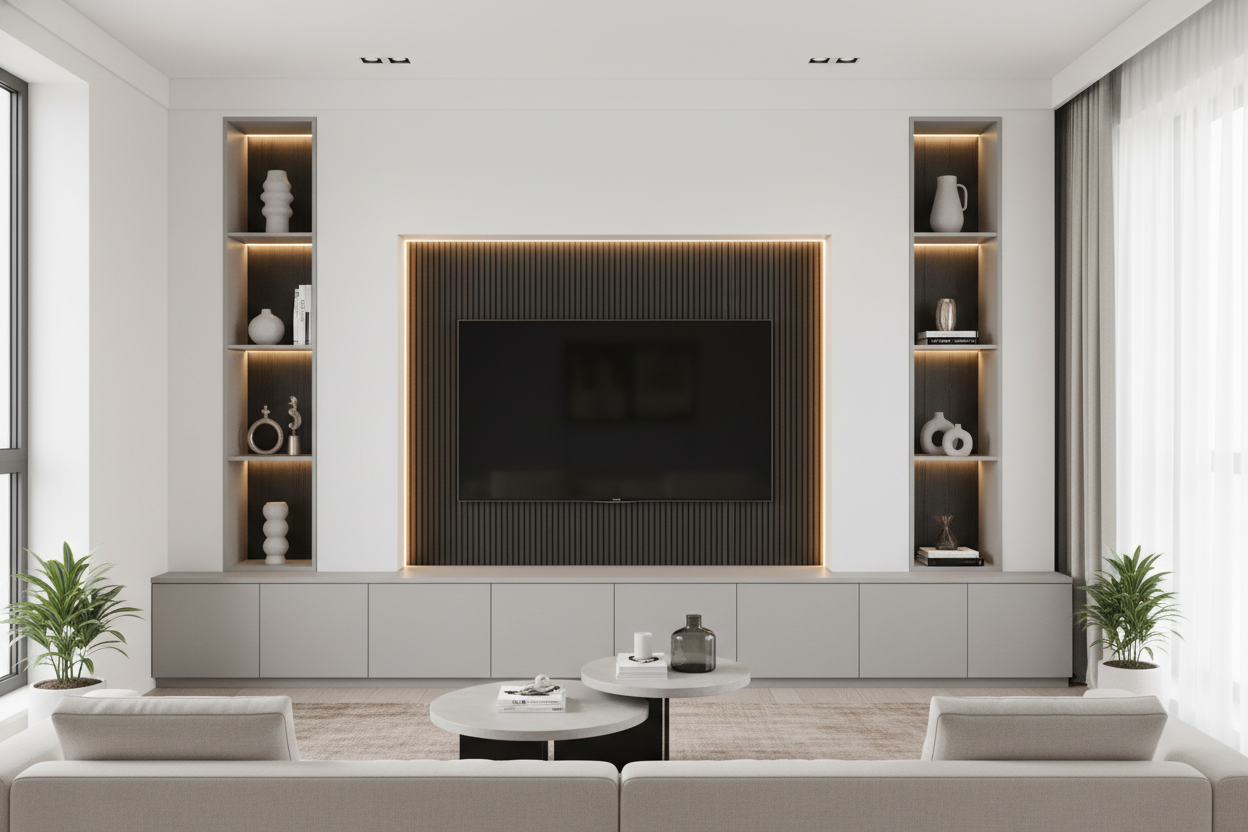
Lighting is another critical factor that many people overlook. Good cabinet lighting does more than make your dishes look pretty—it prevents shadows that can make it hard to see what's stored in the back. I recommend LED strips over traditional bulbs because they generate less heat (important for protecting delicate china) and last longer. Some of the best contemporary options, like this modern buffet cabinet with LED lighting, integrate lighting so seamlessly you barely notice it until it's turned on.
Hardware might seem minor, but I've seen too many beautiful cabinets ruined by flimsy handles or hinges that sag after a year. Test every drawer pull, knob, and hinge in the showroom. They should feel substantial in your hand and operate smoothly without sticking or wobbling.
Material Matters: Solid Wood vs. Engineered Options
Let's talk materials honestly. Solid wood cabinets—whether oak, cherry, walnut, or maple—cost more upfront but will last generations if properly cared for. They're heavier (a 60-inch solid wood china cabinet typically weighs 200-250 pounds), more stable, and can be refinished if styles change. The grain patterns are unique to each piece, giving character you can't replicate with engineered materials.
Engineered options (MDF with veneer, laminate finishes) are more affordable and often come in contemporary styles that solid wood manufacturers don't offer. They're lighter (that same 60-inch cabinet might be 120-150 pounds) and easier to move. But here's what I tell clients: expect to replace engineered cabinets in 5-7 years if they get regular use. The veneer can chip, the edges might fray, and moisture from spills or humidity can cause swelling.
For families with young children or in high-traffic areas, I often recommend a hybrid approach: solid wood frame with engineered panels in less visible areas. This gives you durability where it matters most without the full solid wood price tag.
The Glass Factor: Display vs. Safety Considerations
Glass is what makes a china cabinet special—it turns storage into display. But not all glass is created equal. Tempered glass is non-negotiable for safety, especially in homes with children or pets. It's four times stronger than regular glass and shatters into small, blunt pieces rather than sharp shards if broken.
I measure glass thickness with every cabinet I evaluate. Display shelves should be at least ¼ inch thick to support weight without bowing. For doors, ⅛ inch is standard, but ¼ inch provides extra security. Beveled edges add elegance but also increase cost—decide if that detail matters to your overall design aesthetic.
For families concerned about safety, consider cabinets with glass only in the upper section and solid wood doors below. Or look for options with security locks on glass doors—these are especially useful if you're displaying valuable heirlooms or have curious toddlers who might try to open cabinets.
Sizing Your Set: From Intimate Gatherings to Formal Entertaining
Scale mistakes are the most common problem I see with dining room sets for 8 with china cabinet purchases. People fall in love with a cabinet online, then realize it's too large for their space or too small for their needs. Here's my rule: measure your room first, then subtract 36 inches from each wall for walkways. What's left is your maximum cabinet size.
For standard dining rooms (12x14 feet), a china cabinet between 48-60 inches wide works well. It leaves enough space for comfortable movement around a table that seats 6-8. In larger formal dining rooms (14x18 feet or more), you can go up to 72 inches wide without overwhelming the space.
Height matters too. Standard ceiling height is 8 feet, so I recommend cabinets no taller than 84 inches (7 feet) to maintain visual balance. Anything taller starts to feel imposing unless you have cathedral ceilings. Depth is often overlooked—most china cabinets are 16-18 inches deep, which is perfect for displaying plates but shallow enough not to intrude into walkways.
When coordinating with your table, remember that your dining table investment guide should consider the cabinet's footprint too. A 60-inch round table needs different cabinet proportions than a 96-inch rectangular table.
The 6-Person vs. 8-Person Dining Set Dilemma
This comes up constantly with clients planning their entertaining spaces. For dining table set for 6 with china cabinet configurations, you can often get away with a smaller cabinet (48-54 inches wide) since you're storing fewer place settings. The display area can be more curated rather than needing to hold service for large groups.
For sets that accommodate 8 people regularly, you need more substantial storage. I recommend cabinets at least 60 inches wide with adjustable shelves that can be configured for different plate sizes. Look for cabinets with both display areas (for your nice china) and closed storage (for everyday dishes). Many families find they need the extra space for serving platters, glassware, and linens when hosting larger gatherings.
Here's a practical tip: count your place settings, then add 25% for serving pieces and special occasion items. That gives you a realistic sense of how much cabinet space you actually need versus what looks nice in the showroom.
Style Integration: Making Your China Cabinet Set Work in Your Home
One of my favorite projects involved helping a couple blend their traditional dining table with a more modern aesthetic. Their existing table was a dark cherry heirloom piece they loved, but they wanted to lighten up the room. We chose a transitional china cabinet with clean lines but warm wood tones that complemented rather than competed with the table.
The key to successful style integration is finding common elements. If you have a traditional table with carved legs, look for a cabinet with similar wood tones or subtle carving details. For modern spaces, match metal finishes—if your table has chrome bases, choose cabinet hardware in the same finish.
Don't be afraid to mix styles intentionally. A rustic farmhouse table can work beautifully with a sleek, simple china cabinet if you connect them through color or material. I often use dining room styling tips to help clients visualize how different pieces work together before they commit to a purchase.
The Buffet Companion: Why Many Designers Recommend the Pairing
When clients ask about dining room set with china cabinet and buffet combinations, I always explain the functional benefits first. A buffet gives you additional closed storage for items you don't need to display—table linens, extra serving pieces, holiday dishes you only use once a year. It also provides serving surface during meals, which is especially useful when entertaining larger groups.
Aesthetically, a buffet creates visual balance in the room. If your china cabinet is tall and imposing, a lower buffet (typically 36 inches high) grounds the space. They don't need to match exactly—in fact, I often recommend complementary rather than identical pieces. A painted buffet can add color contrast to a wood china cabinet, or a elegant solid wood sideboard can provide texture variation in a room with mostly painted furniture.
From a practical standpoint, the pairing makes sense too. You're investing in cohesive storage that will serve you for years, rather than piecing together mismatched furniture that might not work together functionally or aesthetically.
The Designer's Checklist: What to Examine Before Purchase
After two decades in this business, I've developed a specific checklist I use with every client considering a dining room china cabinet set. First, examine the joinery. Open every drawer and look for dovetail joints—these interlocking wood pieces are stronger than staples or glue. Run your hand along the interior edges; they should be smooth, not rough or splintered.
Test all moving parts. Drawers should glide smoothly on metal runners, not wood-on-wood. Doors should close evenly without gaps. If there are locks, test them multiple times. Check the back panel—it should be properly secured, not just tacked in place. A loose back panel is a red flag for poor overall construction.
Look at the finish in different lighting. Move around the piece and view it from multiple angles. The stain or paint should be even, without drips, bubbles, or thin spots. Open and close doors and drawers repeatedly—they should operate smoothly every time, not just when first installed.
Finally, consider delivery and assembly. Many china cabinets come partially assembled, which can be challenging if you're not handy. Ask about white-glove delivery services if you need help with setup. And always keep the original packaging for at least 30 days in case you discover issues after delivery.
Frequently Asked Questions
How much should I budget for a quality china cabinet set?
For solid wood construction with good hardware and tempered glass, expect $1,500-$3,000 for the cabinet alone. Complete sets with table and chairs typically range $3,000-$6,000. Engineered options start around $800 but may need replacing sooner.
Can I use a china cabinet in an open concept living/dining area?
Absolutely—in fact, I often recommend it. A china cabinet can help define the dining zone in an open space. Choose a style that complements your living room furniture, and consider a cabinet with both open and closed storage to reduce visual clutter.
How do I protect my china from sunlight damage?
If your cabinet will be near windows, look for glass with UV protection. Alternatively, use window treatments to filter direct sunlight. Rotate displayed pieces seasonally to prevent uneven fading.
What's the best way to clean and maintain a china cabinet?
Dust weekly with a microfiber cloth. For glass, use a vinegar-water solution (1:1 ratio) and dry immediately to prevent streaks. Wood surfaces should be cleaned with products specific to the finish type—never use all-purpose cleaners on wood. Check and tighten hardware every 6-12 months as seasonal humidity changes can cause loosening.


Leave a comment
This site is protected by hCaptcha and the hCaptcha Privacy Policy and Terms of Service apply.