










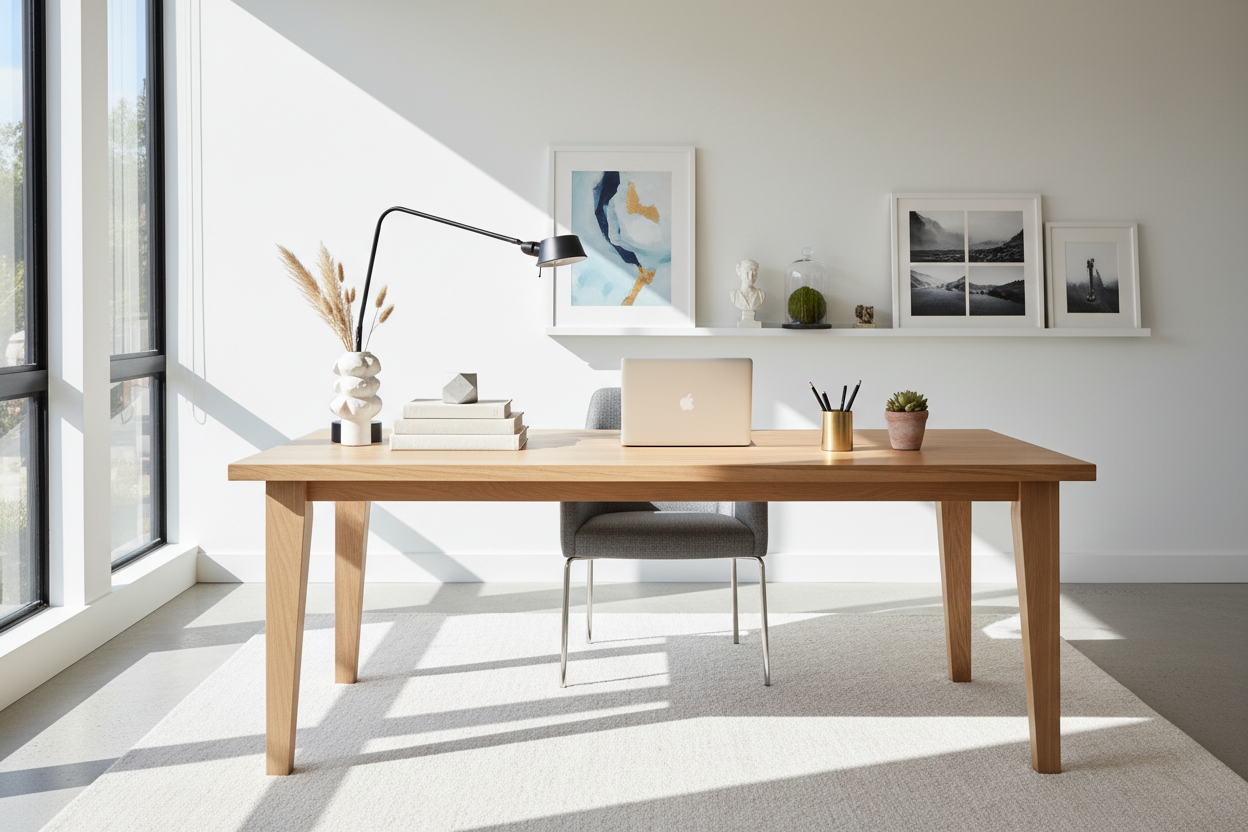
We have all experienced the fatigue of staring at a sterile, utilitarian workspace. It feels cold, uninspiring, and frankly, exhausting. Conversely, cluttering a surface with meaningless trinkets creates visual noise that hampers focus. As a designer, my goal is to help you find the equilibrium where aesthetics meet ergonomics. The right decorations for desks should serve as functional art—objects that anchor your space, define your style, and actually assist in your daily workflow rather than hindering it.
Key Features to Consider Before Styling
Before purchasing any decor items, consider these four fundamental design pillars to ensure a cohesive look that wins on both style and functionality:
- Scale and Proportion: Ensure objects do not overpower your monitor or encroach on your primary writing zone.
- Material Tactility: Mix textures (e.g., wood, metal, leather) to prevent the space from feeling flat or overly clinical.
- Visual Weight: Balance heavy items (like stone bookends) with lighter elements (like glass vases or wire organizers).
- Functional Integration: Prioritize decor that doubles as storage or organization to maintain a clean silhouette.
Establishing a Cohesive Design Language
When selecting desk decorations, the most common error is buying individual items that appeal to you in isolation but clash when placed together. Start by defining a material palette. If your desk is a warm walnut, introduce cool tones like brushed brass or matte black metal for contrast. For a glass or white lacquer decor desk setup, introduce warmth through leather desk pads or timber accessories.
Think about the "skyline" of your desk. You want varying heights to guide the eye. A tall architectural lamp provides vertical interest, while low-profile trays ground the composition. This variation prevents the decor for office desk setups from looking like a flat, cluttered horizon.
The Intersection of Tech and Decor
In modern interiors, computer desk decoration is tricky because technology is inherently rigid and often unsightly. The secret is to soften the tech. Do not let plastic cables dominate the view. Use decorative boxes or weighted cable organizers that look like sculptural paperweights to hide the mess.
If you are looking for office desk decoration items that bridge the gap, consider a monitor riser made of solid wood. It hides the keyboard when not in use and elevates the screen to eye level, merging ergonomic necessity with high-end joinery aesthetics.
Curating for Small Spaces
When dealing with limited square footage, every inch counts. Desk decoration items in small spaces must be vertical. Wall-mounted pinboards or floating shelves above the desk free up valuable surface area. Avoid bulky desktop decorations; instead, opt for a single statement piece, such as a structural vase or a designer table clock, to act as a focal point without crowding your elbows.
Budgeting: High-Impact vs. Filler
You do not need an unlimited budget to achieve a luxury look. The strategy is to invest in touchpoints. Spend more on the items you physically handle, like a leather mouse pad or a heavy, metallic pen. You can then blend in cheap desk decor for visual filler—such as simple ceramic planters or basic picture frames—which look expensive when grouped correctly but don't require high durability.
Whether you are styling home decor desk arrangements or a corporate cubicle, the rule of three applies. Group items in odd numbers (e.g., a lamp, a plant, and a stack of books) to create a natural, unforced vignette.
My Personal Take on Decorations for Desks
I learned a hard lesson early in my career regarding surface finishes and heavy decor. I once styled a client's mahogany executive desk with a stunning, unpolished travertine stone planter. It looked incredible in the photos—raw, organic, and textured.
However, three weeks later, the client called. Every time the cleaner moved the planter to dust, or the client shifted it to make room for blueprints, the raw stone bottom acted like sandpaper. The finish on a $4,000 desk was covered in micro-scratches. Since then, I never place stone or metal decorations for a desk without personally applying high-density felt pads to the bottom. It is a small, unglamorous detail, but it saves the furniture. Also, be wary of "high-gloss" organizers; they show fingerprints relentlessly. I now almost exclusively recommend matte or brushed finishes for anything that sits within arm's reach.
Conclusion
Your workspace is where you spend a significant portion of your life. It deserves to be more than just a holding ground for papers and coffee cups. By intentionally selecting decor for desks that balances texture, scale, and function, you create an environment that respects your focus and elevates your mood. Start with one focal point, build your palette, and remember: space is luxury, so curate, don't clutter.
Frequently Asked Questions
How do I decorate a desk without making it look cluttered?
Adhere to the "active zone" rule. Keep the immediate semi-circle where your hands rest completely clear of desk room decor. Push all decorative elements to the perimeter or passive zones. Use trays to corral smaller items; a tray turns five loose items into one designed unit.
What are the best low-maintenance plants for desk styling?
If you lack natural light, avoid succulents as they will stretch and wither. Snake plants (Sansevieria) and ZZ plants are architectural, require minimal watering, and thrive in the ambient light typical of office environments. They add necessary biophilic elements to decorations for desks without becoming a chore.
Can I mix metal finishes on my desk?
Absolutely. Mixing metals adds depth and prevents the "showroom" look. However, pick a dominant metal (e.g., matte black) and an accent metal (e.g., brass). Ensure the undertones match; for example, brushed nickel pairs well with chrome, while unlacquered brass pairs beautifully with warm bronze.
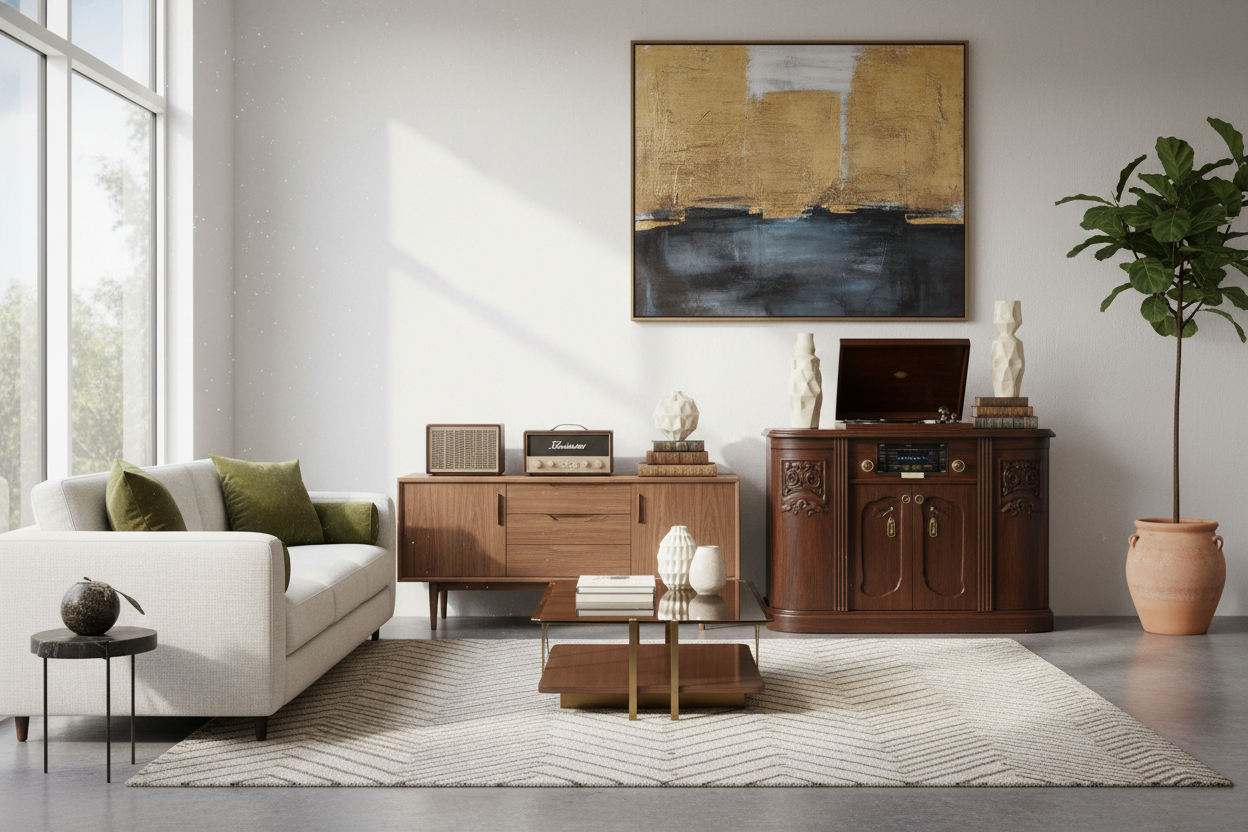
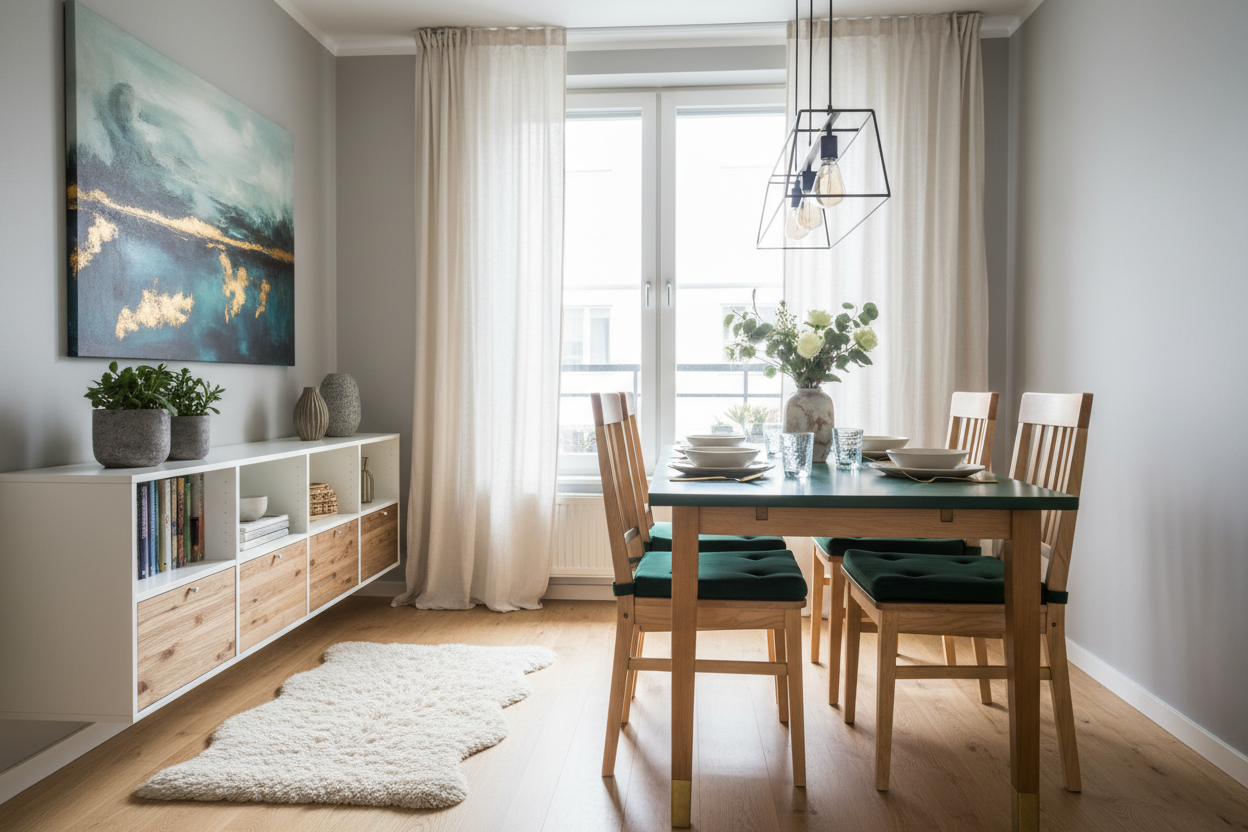

Leave a comment
This site is protected by hCaptcha and the hCaptcha Privacy Policy and Terms of Service apply.