










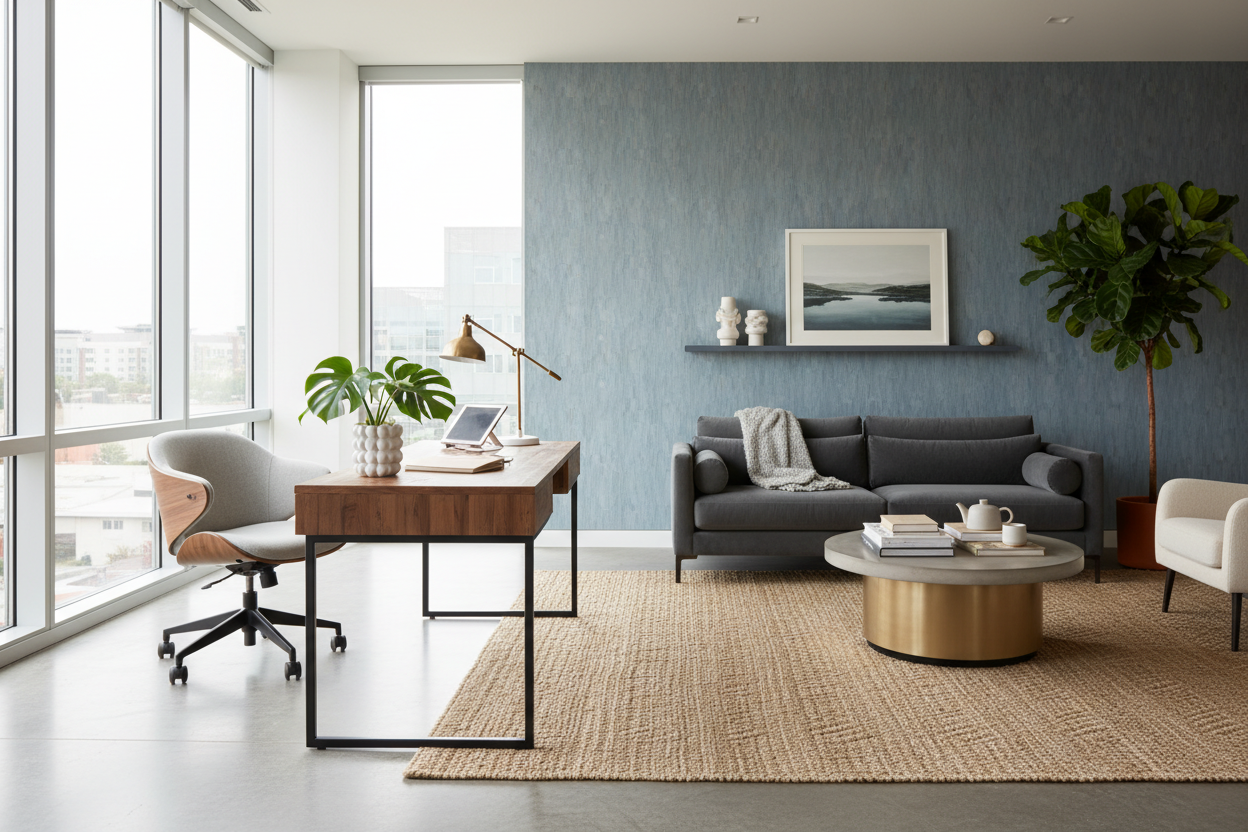
Most professionals underestimate the psychological impact of their immediate environment. We often treat our workspaces as purely utilitarian zones, ignoring the fact that the visual weight and tactile quality of our surroundings directly influence productivity. When sourcing decor for office spaces, the goal is not merely decoration; it is about engineering a mindset through spatial design. Whether you are outfitting a corporate suite or a dedicated corner at home, the selection process requires a balance of ergonomic integrity and aesthetic sophistication.
Key Features to Look For
- Ergonomic Compatibility: Ensure decor items (lamps, organizers) do not obstruct the workflow or range of motion.
- Material Durability: Prioritize materials like solid wood, leather, or powder-coated steel over cheap veneers that chip easily.
- Acoustic Properties: Select items that absorb sound (rugs, canvas art) rather than hard surfaces that create echoes.
- Lighting Temperature: Opt for task lighting with adjustable color temperatures (2700K-4000K) to reduce eye strain.
- Scale and Proportion: Verify that decorative objects do not overcrowd the desk surface or floor plan.
Balancing Function with Visual Weight
When curating offices decor, the most common error is visual clutter. As a designer, I advise clients to think about "negative space"—the empty areas that allow the eye to rest. If you are integrating home decor for office use, avoid the temptation to fill every shelf. Instead, select substantial statement pieces. A single, large sculptural vase or a high-quality architectural lamp carries more design authority than a dozen small trinkets.
Materiality and Texture
The difference between a cold, sterile cubicle and an executive suite often lies in texture. Office decoration items should invite touch. Consider a full-grain leather desk blotter or a wool throw for your reading chair. These elements introduce warmth and dampen noise, which is critical for focus. When browsing office room decoration items, look for matte finishes rather than high-gloss ones; glossy surfaces create glare under overhead lighting, which contributes to fatigue over long workdays.
Strategic Lighting and Zoning
Lighting is the most critical element of the office room decor. Overhead lighting is rarely sufficient. You need layers: ambient light for general visibility, and task lighting for precision work. A well-placed floor lamp can also define a "break zone" within the room, separating the high-intensity desk area from a softer contemplative space. This zoning is essential in home & office decor scenarios where the boundary between rest and work can easily blur.
Selecting Art and Wall Decor
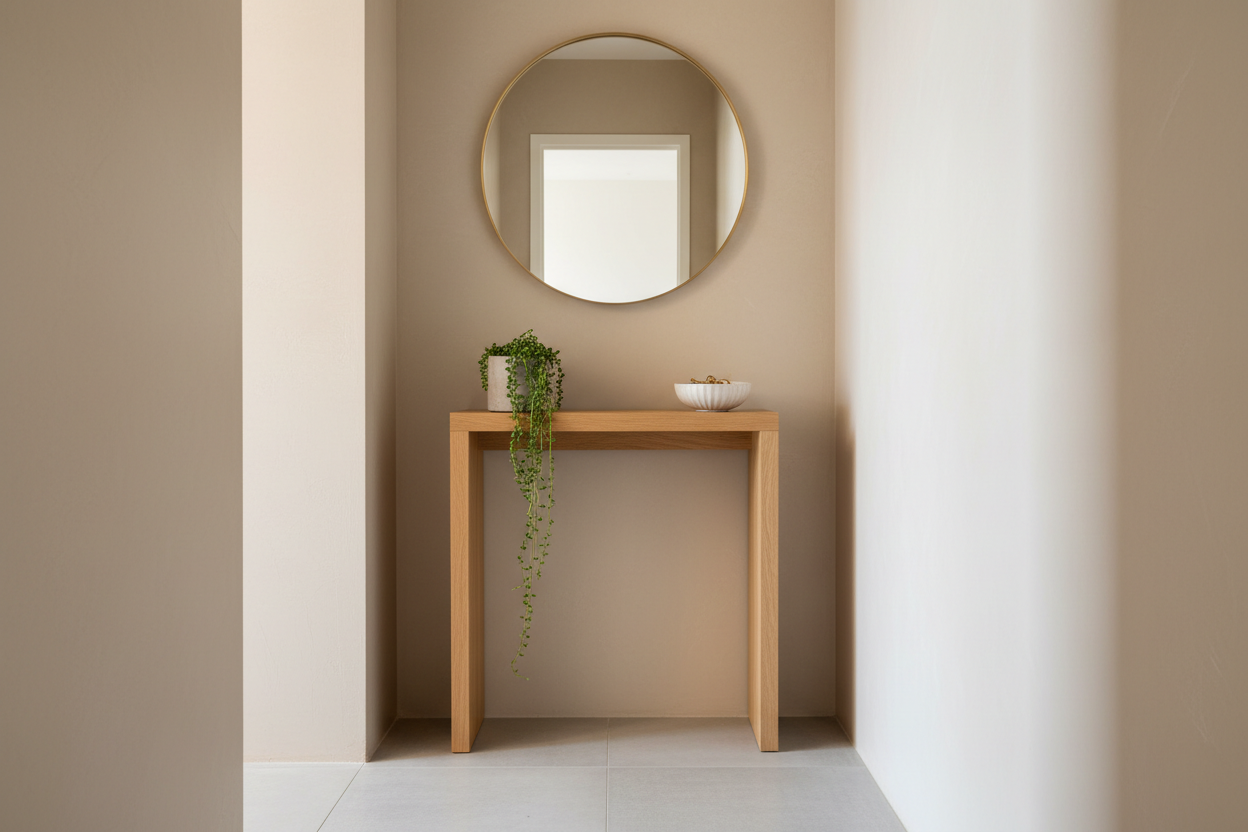
Office room decor on vertical surfaces should inspire without distracting. Abstract art with calming color palettes works best to maintain concentration. Avoid busy patterns that create visual noise. If you have a small footprint, use mirrors strategically as office room decorations to reflect light and create the illusion of depth, making the room feel more expansive.
My Personal Take on Decor for Office
I learned a hard lesson about decor for office environments during a project for a high-profile tech consultant. We designed a stunning, minimalist space featuring a glass desk, polished concrete floors, and metal shelving. Visually, it was architectural perfection. Practically? It was a disaster.
The client called me a week later. "I can't hear myself think," he said. The hard surfaces created a reverb chamber that made Zoom calls unbearable. I had focused so much on the visual lines that I neglected the acoustics. We had to retrofit the space with heavy linen drapes, a thick high-pile rug, and acoustic felt panels disguised as modern art. Now, when I select items, I tap them. If it rings or echoes, I balance it with something soft. It’s a tactile detail you won’t see in a catalog, but you will absolutely feel it when you're on your fourth conference call of the day.
Conclusion
Designing your workspace is an investment in your career capital. By choosing high-quality materials, managing acoustics, and prioritizing lighting, you create an environment that supports high-level thinking. Don't just fill a room; curate a space that works as hard as you do.
Frequently Asked Questions
How do I decorate a small office without making it feel cramped?
Focus on vertical storage and wall-mounted decor to keep the floor clear. Use "floating" furniture (pieces with exposed legs) to increase visible floor space, and stick to a monochromatic color palette to reduce visual fragmentation.
What is the best way to mix home and office decor styles?
Use a unifying element, such as a specific wood tone or metal finish, that repeats throughout the space. For example, if your desk has walnut legs, choose picture frames or a clock in the same walnut finish to tie the residential and professional elements together.
Are plants considered good office decor?
Absolutely. Biophilic design (bringing the outdoors in) is proven to lower stress. However, choose low-maintenance plants like Snake Plants or Zamioculcas (ZZ plants) that can survive low light and missed waterings, ensuring your decor doesn't become a chore.

Leave a comment
This site is protected by hCaptcha and the hCaptcha Privacy Policy and Terms of Service apply.