










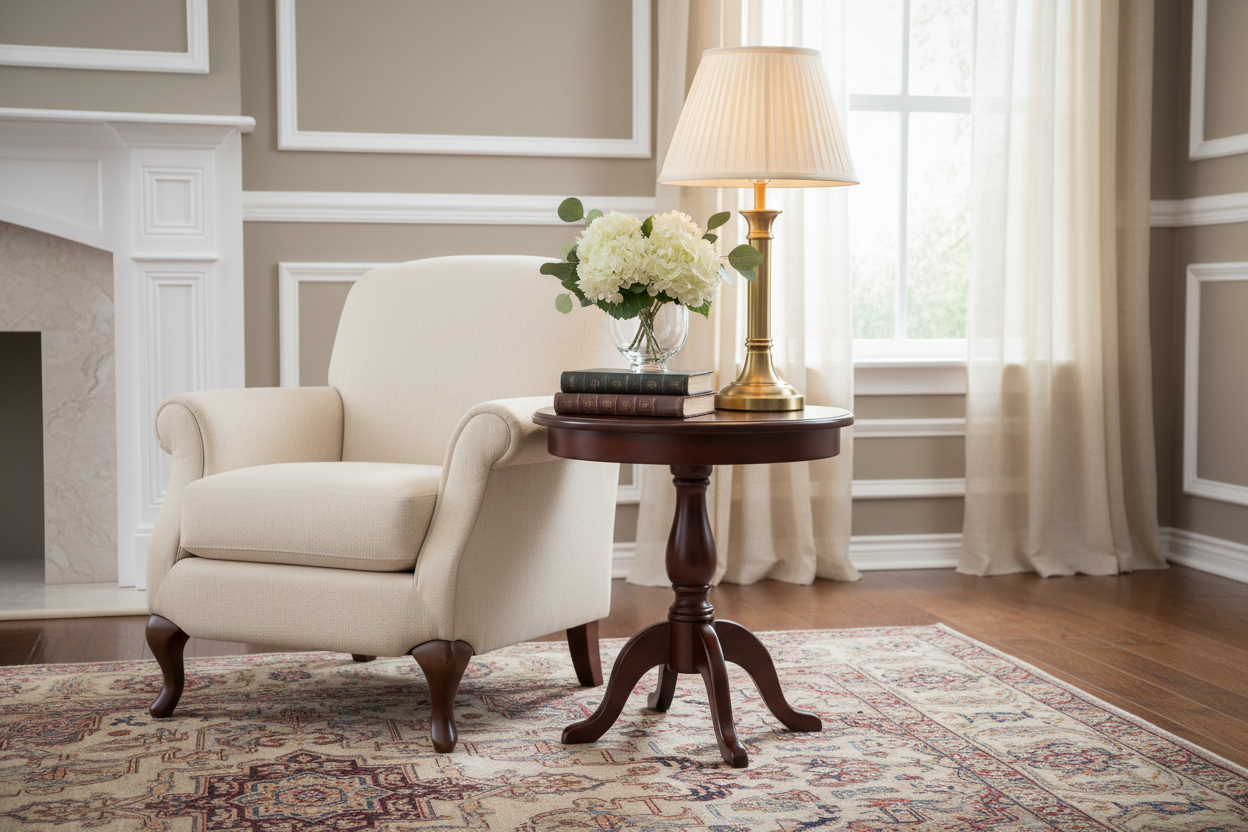
Interior design trends come and go, but certain furniture pieces remain relevant year after year. Whether you're setting up a classic living room, a cozy reading nook, or a sophisticated guest space, a traditional round end table can be the perfect addition. Its versatility, elegant lines, and functional appeal blend seamlessly with a variety of décor styles, making it an investment that pays off over time.
Understanding the Appeal of a Traditional Round End Table
A traditional round end table is more than just a surface to place your coffee or a lamp—it is a design element that conveys warmth and refinement. Historically, round tables have been favored in both formal and casual spaces because they encourage conversation and avoid harsh edges. The traditional aesthetic often incorporates finely crafted wood, carved details, and classic finishes that complement rich fabrics and ornamental décor.
Design Features That Stand Out
Popular features in traditional round side tables include smooth tabletop edges, turned legs, and natural wood tones. Some models incorporate small drawers or shelves for added storage, making them equally functional. The absence of corners creates a gentle flow in the room, making them suitable for smaller spaces where movement should feel unobstructed.
Practical Advantages in Everyday Use
From a practical perspective, the traditional round side table offers utility without overwhelming a space. The compact form means it can fit beside a sofa, armchair, or bed with ease. In everyday use, having a sturdy table nearby can help keep essentials like books, drinks, or electronic devices within reach. Round tables also reduce the risk of bumping into sharp corners, which is especially beneficial in households with children or in narrow walkways.
Matching with Existing Furniture
One of the strengths of a traditional round end table is its adaptability. Whether your interior features vintage leather seating, contemporary linen sofas, or an eclectic mix of styles, the rounded profile and traditional craftsmanship can tie diverse elements together. Choosing a wood finish that matches or complements your existing pieces will ensure visual cohesion.
Material Selection for Quality and Longevity
Evidence from furniture durability studies shows that hardwoods such as oak, maple, or walnut offer superior resilience. Selecting a traditional round side table made from solid wood rather than particleboard or veneer can increase its lifespan. For homes with high traffic, a well-applied protective finish will help resist scratches, spills, and fading from sunlight.
Care and Maintenance
Maintaining a traditional round end table is straightforward. Routine dusting with a soft cloth, occasional polishing, and immediate cleanup of spills will keep the surface in top condition. Avoid placing the table directly near heating vents or in prolonged direct sunlight to prevent warping or discoloration.
Personal Experience with a Traditional Round Side Table
In my own living space, a walnut traditional round side table holds a place next to a reading chair. It’s not only a convenient spot for my evening tea but also a subtle focal point that draws guests’ attention. Over the years, the table has adapted to new decorative themes—sometimes holding a vase of fresh flowers, other times acting as a platform for a statement lamp. Its timeless shape means that no matter how my style evolves, it remains relevant.
Tips for Selecting the Right Piece
When choosing a table, measure the intended space and consider the height relative to the seating it will accompany. A table slightly above or below armrest height feels natural to use. Inspect craftsmanship carefully—check that joints are secure, surfaces are smooth, and finishes are even. For traditional designs, details such as inlay work or turned legs can elevate the piece beyond basic functionality.
Where to Place It in Your Home
Ideal placements include beside upholstered chairs for reading areas, between a set of accent chairs in a living room, or next to a bed for a touch of vintage character in the bedroom. In entryways, smaller traditional round end tables can act as a welcoming surface for décor items or small storage.
Final Thoughts
Choosing a well-made traditional round side table is both a practical decision and an aesthetic one. Its shape and style have stood the test of time, lending elegance without overstating its presence. With thoughtful selection and proper care, it can provide decades of service while enhancing the comfort and beauty of your living space.


Leave a comment
This site is protected by hCaptcha and the hCaptcha Privacy Policy and Terms of Service apply.