










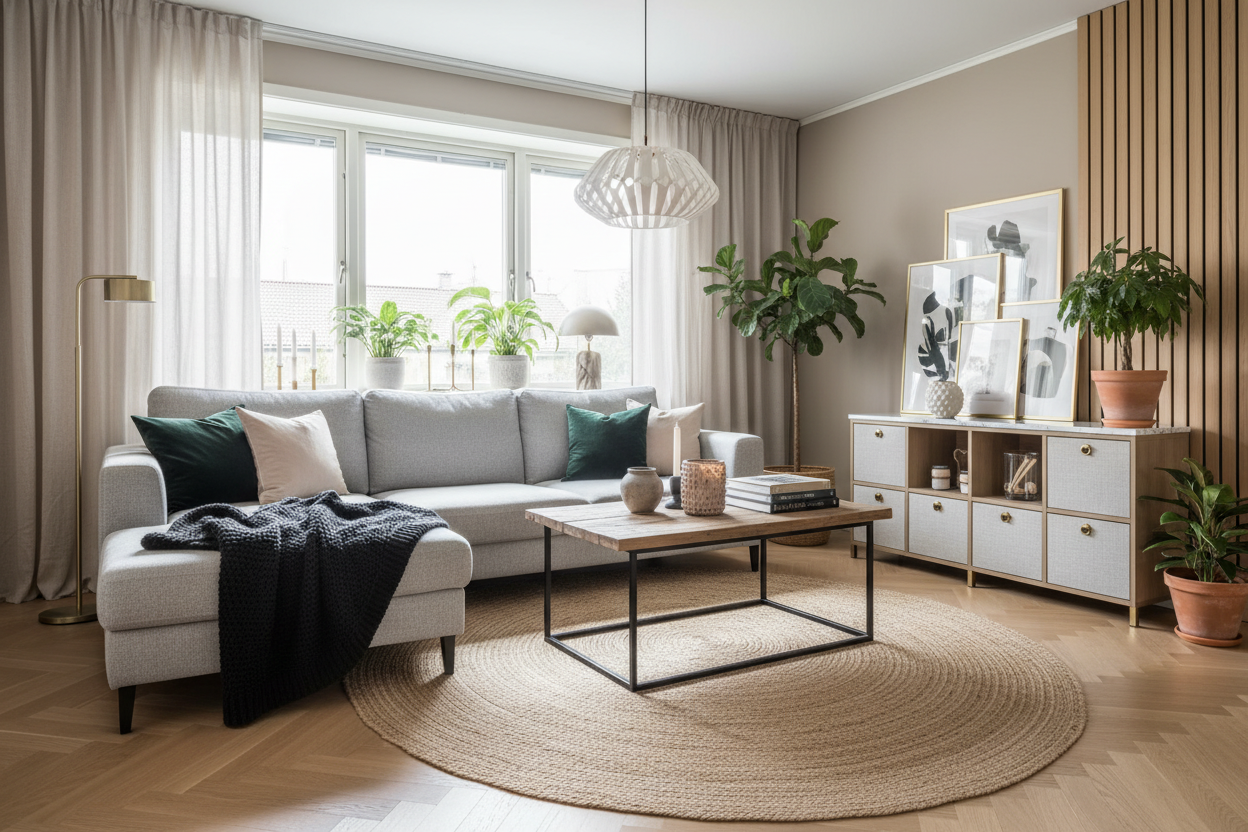
We have all walked into a living room and experienced that distinct sense of déjà vu. The silhouette of the sofa is familiar; the coffee table feels predictable. This is the challenge of mass-market design availability. However, dismissing the Swedish giant is a mistake often made by novices. As a designer, I view ikea styles not as a limitation, but as a blank canvas—a foundational element that, when curated correctly, can rival bespoke joinery and high-end Italian furniture.
Quick Decision Guide: Decoding the Aesthetic
Before filling your cart, it is crucial to understand the architectural language of these pieces. Use this checklist to ensure the furniture aligns with your interior vision:
- Identify the Core Style: Most pieces fall into Scandinavian Modern (clean lines, pale woods) or Industrial Minimalist (metal accents, dark veneers).
- Assess Materiality: Distinguish between hollow-core particleboard (lightweight, less durable) and solid pine or birch (sandable, paintable, higher longevity).
- Check the Silhouette: Look for legs that are set back or tapered; blocky furniture often adds unnecessary visual bulk to a room.
- Functionality vs. Form: Determine if the piece is modular (like the Bestå or Pax systems) which allows for architectural integration.
Defining the Design Language: What Style is IKEA?
Clients frequently ask me, "what style is ikea exactly?" While the brand is synonymous with Scandinavian Modernism—characterized by functionality, simplicity, and a connection to nature—it has evolved into a chameleon of design. The genius of ikea style furniture lies in its 'Democratic Design' philosophy. It provides a neutral, unobtrusive backdrop.
To achieve a sophisticated look, you must look past the showroom styling. The 'Lack' table is purely utilitarian, but the 'Stockholm' collection often references mid-century modern walnut finishes that carry genuine warmth. Understanding this hierarchy within their range is the first step to successful curation.
Material Quality and Tactile Experience
In luxury design, touch is just as important as sight. When asking what style is ikea furniture best suited for, the answer is often determined by the finish. Avoid the high-gloss white finishes if you are aiming for a quiet luxury aesthetic; they tend to reflect light in a way that highlights fingerprints and dust, revealing the synthetic nature of the material.
Instead, opt for their natural veneers or matte finishes. I often advise clients to look for the 'Ivar' or 'Tarva' lines. These are unfinished solid wood. While they look raw in the box, they accept high-quality wood stains beautifully. A simple coat of a dark walnut gel stain can transform a budget pine cabinet into a piece that mimics an antique heirloom.
The High-Low Mix: Creating Visual Balance
The secret to using mass-produced furniture is the 'High-Low' mix. Never furnish a room entirely with one brand. If you use a large sectional from IKEA, pair it with a sculptural, vintage coffee table and a hand-knotted wool rug. This distracts the eye and elevates the perception of the mass-market piece.
Upgrading the Hardware
The standard knobs and legs provided in the flatpack are the biggest giveaways of the furniture's origin. Swapping standard legs for custom brass or turned wood alternatives changes the entire stance of the furniture. Similarly, replacing pulls with heavy, knurled brass hardware adds weight and tactile quality that the original piece lacks.
My Personal Take on IKEA Styles
I remember working on a renovation for a pre-war apartment in Brooklyn where the budget was tight, but the client demanded a 'built-in' library look. We utilized the Billy bookcase system—a staple of ikea styles—but here is the unpolished truth about installation that most guides miss.
The floors in older homes are rarely level. When we lined up five bookcases, the gaps at the top were uneven, screaming "cheap furniture." The finish quality didn't matter; the alignment did. We spent three hours just shimming the bases with cedar shims until they were perfectly plumb, then we bolted them together and added a custom crown molding across the top. The result? It looked like $10,000 worth of custom millwork. However, I also learned that the back panels of those units are incredibly flimsy. Now, I always reinforce them with a nail gun or replace the backing entirely with beadboard for structural rigidity. It’s those hidden details that dictate whether the piece survives a move or wobbles after a year.
Conclusion
Achieving a high-end home isn't about the price tag on the receipt; it is about the intention behind the design. By understanding the nuances of materials and mastering the art of the mix, you can utilize accessible furniture to create spaces that feel curated, personal, and profoundly comfortable. Trust your eye, upgrade the details, and design with confidence.
Frequently Asked Questions
Can IKEA furniture fit into a traditional home style?
Absolutely. While known for modernism, many lines (like the Hemnes or Lommarp) feature traditional detailing like beveled edges and paneled doors. When paired with antique accessories, they blend seamlessly into transitional or traditional interiors.
How do I make my IKEA sofa look more expensive?
Focus on the textiles. The standard polyester slipcovers can look flat. Investing in third-party custom covers in linen or velvet creates a richer texture and better drape, completely changing the furniture's profile.
Is IKEA furniture durable enough for a forever home?
It depends on the range. Solid wood pieces and metal shelving units have excellent longevity. However, particleboard pieces are best used in low-traffic areas or built-ins where they won't be moved frequently, as the cam-lock joints can loosen over time.

Leave a comment
This site is protected by hCaptcha and the hCaptcha Privacy Policy and Terms of Service apply.