










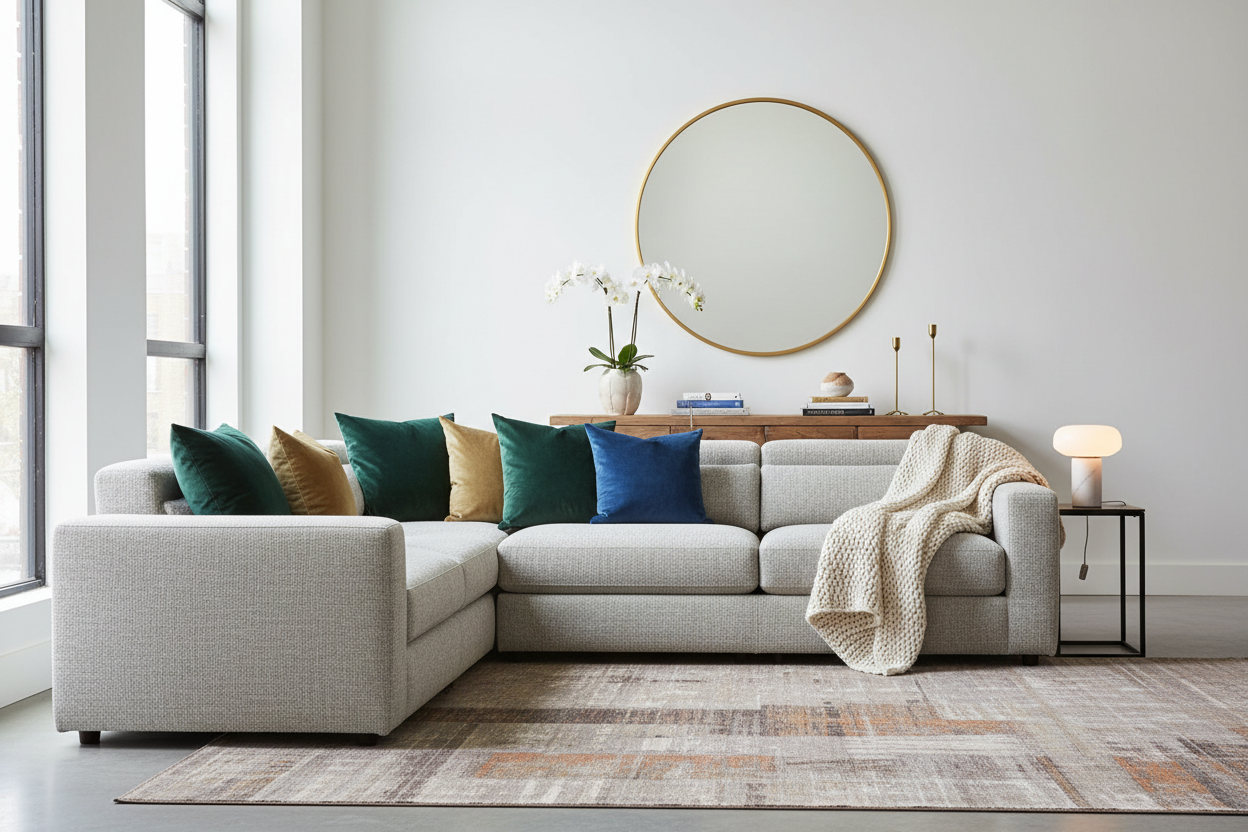
Designing a cohesive, inviting living area often hits a wall when the budget tightens. You want the high-end aesthetic, but the financial reality dictates a search for a **cheap sofa couch**. As a designer, I am here to tell you that 'inexpensive' does not have to mean 'disposable' or 'unattractive.' The secret lies in looking past the price tag and analyzing the silhouette, the textile quality, and the hidden construction details. With the right eye, you can secure a piece that anchors your room beautifully without compromising on comfort.
Quick Decision Guide: What to Check First
Before you commit to a purchase, scan these critical elements. This checklist separates a great value find from a regretful purchase.
- Frame Construction: Even for budget pieces, look for 'kiln-dried' hardwood or reinforced plywood. Avoid particle board staples.
- Cushion Density: Squeeze the seat cushion. If it flattens immediately without bouncing back, the foam density is too low (aim for 1.8 density or higher).
- Fabric Durability: Check the 'rub count' if listed. For heavy use, you want over 15,000 double rubs. Performance weaves last longer than delicate silks or loose linens.
- Joinery: Lift one front corner of the sofa 6 inches off the ground. If the other front leg stays on the floor, the frame is too flexible and weak.
Decoding the Build of Low Price Couches
When scouring the market for low price couches, you are essentially trading labor-intensive details for cost savings. To get the best value, opt for simpler designs. Intricate tufting, curved backs, and nailhead trim require skilled labor; on a budget piece, these are often executed poorly or hide structural flaws. A clean-lined, track-arm sofa is safer because the manufacturer put the money into the fabric and foam rather than complex upholstery techniques.
Material Selection: The Tactile Experience
Finding a sofa at low price points often means navigating synthetic fabrics. This isn't necessarily bad. Modern polyesters can mimic the hand-feel of linen or velvet while offering superior stain resistance. However, avoid bonded leather (which peels) and low-grade chenille (which can look threadbare quickly). Stick to tightly woven structural fabrics in neutral tones; they hide wear better and allow you to layer expensive-looking accents later.
Ergonomics and Visual Weight
A common issue when buying a sofa at lowest price is the scale. Budget manufacturers often shrink the depth or length to save on shipping and materials. Always tape out the dimensions on your floor before buying. From an ergonomic standpoint, ensure the seat depth is at least 22 inches if you plan on lounging. Visually, a sofa that is too small makes the room feel cluttered and cheap. If the sofa is petite, float it away from the wall and anchor it with a larger rug to create a sense of grandeur.
Styling Reasonable Priced Sofas
Once you have secured one of the many reasonable priced sofas available, the styling is where the 'luxury' comes in. The included throw pillows are usually the dead giveaway of a lower price point—they are often under-stuffed and match the sofa fabric exactly, which looks flat. Replace them immediately with down-filled inserts and covers in contrasting textures like wool, boucle, or raw silk. This introduces necessary 'negative space' and textural interplay, tricking the eye into perceiving the entire seating arrangement as high-end.
My Personal Take on the Cheap Sofa Couch
I recently staged a rental apartment where the budget was incredibly tight. We bought a mid-century modern style sofa that cost under $400. Out of the box, the fabric color was a stunning moss green, but the legs were a dead giveaway—shiny, plastic cylinders painted to look like walnut. They screamed 'budget.'
Here is the hack I used: I went to a local hardware store and bought four solid wood tapered legs and mounting plates for about $30. Swapping out those plastic legs for real wood instantly changed the visual weight of the piece. It felt grounded and substantial. Another detail I noticed after a few weeks was that the back cushions started to sag. My fix was stuffing the back covers with an extra layer of polyester batting (available at any craft store). It plumped up the silhouette and made the sofa look tailored rather than slouchy. If you are willing to do these minor tweaks, you can make a budget find perform like a showroom piece.
Conclusion
You do not need an unlimited budget to curate a home that feels sophisticated and personal. By focusing on simple silhouettes, checking the frame rigidity, and upgrading the accessories, you can integrate a budget-friendly sofa into your design scheme seamlessly. It is about making the piece work for your space, rather than letting the price tag define your style.
Frequently Asked Questions
How can I make a low-cost sofa more comfortable?
If the seat cushions feel too firm or thin, you can unzip the covers and wrap the existing foam in a layer of high-loft batting or add a memory foam topper cut to size. This adds a 'crown' to the cushion and softens the sit.
What is the best color for a budget sofa?
Darker neutrals like charcoal, navy, or taupe are forgiving. They hide shadows and minor fabric imperfections better than white or beige. Additionally, dark fabrics often look more expensive because they have more visual depth.
How long should I expect a cheap sofa to last?
With daily use, a budget-tier sofa typically has a lifespan of 3 to 5 years before the foam degrades or the frame loosens. You can extend this by rotating cushions weekly to ensure even wear and tightening the leg bolts every few months.

Leave a comment
This site is protected by hCaptcha and the hCaptcha Privacy Policy and Terms of Service apply.