










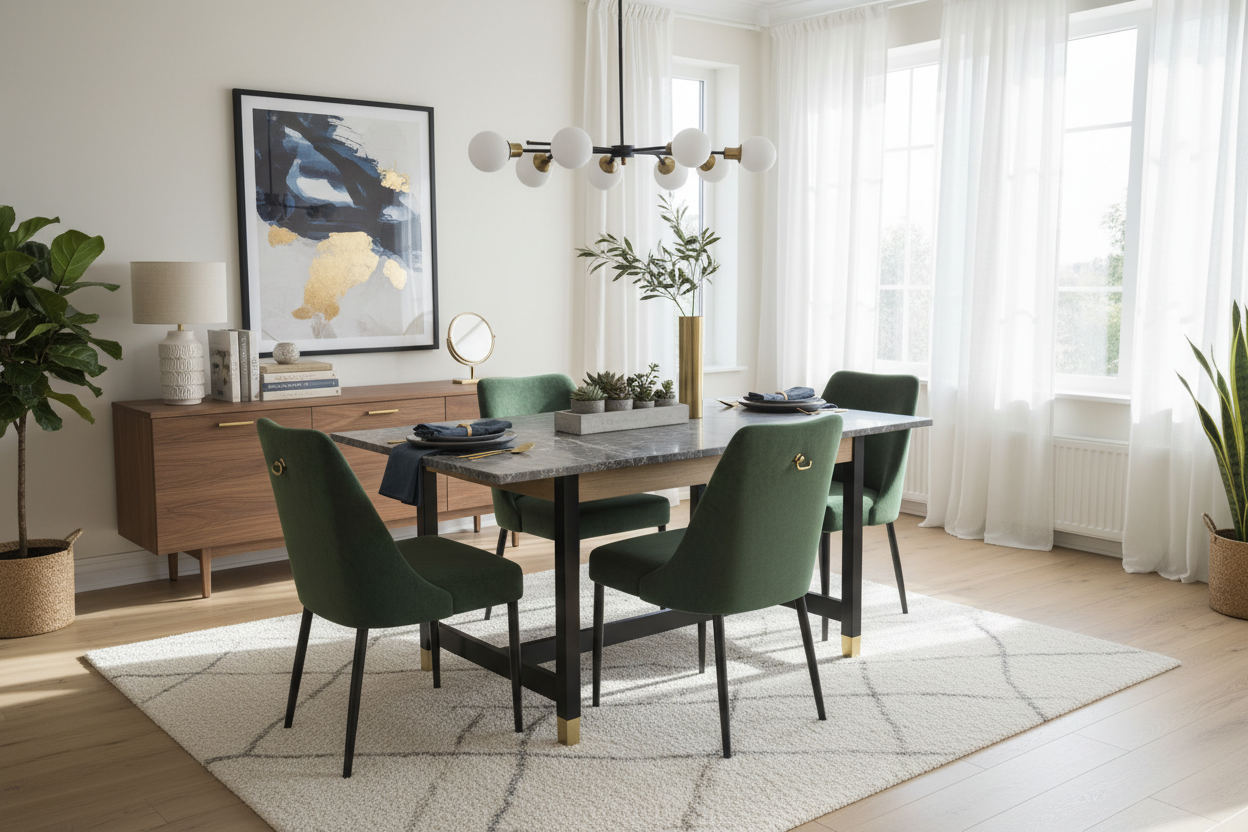
Designing for compact footprints requires a delicate balance between functionality and visual weight. Many homeowners assume that limited square footage demands sacrificing a formal eating area, but that is a design misconception. With the right approach, an IKEA small dining table can serve as a sophisticated anchor for your room, functioning as a workspace by day and an intimate dining spot by night. The secret lies not just in the purchase, but in the selection of materials and the surrounding spatial planning.
Key Features to Look For
Before heading to the warehouse, consider these critical factors to ensure your selection offers longevity and style:
- Base Construction: Pedestal bases (like the Docksta) offer better legroom and flow than four-legged options in tight corners.
- Material Composition: Solid pine or bamboo ages better and can be refinished, whereas foil-on-particleboard is harder to repair if chipped.
- Visual Permeability: Glass tops or slender legs reduce visual clutter, making the room feel larger.
- Adaptability: Drop-leaf mechanisms are essential for multi-functional spaces where traffic flow changes throughout the day.
Choosing the Right Material Palette
As a designer, I often advise clients to look past the price tag and inspect the finish. IKEA offers a spectrum from melamine and foil to solid wood and veneers. For a high-traffic IKEA small kitchen table, melamine is incredibly scratch-resistant but can look flat under harsh lighting. To elevate the aesthetic, opt for their solid wood lines (like the Norden series) or bamboo. These natural textures introduce warmth and can be stained or painted later, allowing the piece to evolve with your style.
Space Planning and Ergonomics
The biggest error I see in DIY interior design is ignoring clearance zones. A small table does not automatically guarantee a good fit. You need a minimum of 36 inches from the table edge to the nearest wall or furniture piece to allow a chair to pull out comfortably. If you are working with a nook that is tighter than that, consider a banquette seating arrangement against the wall. This eliminates the need for clearance on one side and maximizes the floor area.
The Silhouette: Round vs. Square
In a boxy room, a round table breaks up the rectilinear lines and softens the environment. It also allows for flexible seating—you can squeeze in an extra chair without someone straddling a table leg. Conversely, if your dining area is part of an open-plan living room, a square table pushed against a wall (console style) can save space when not in use.
Lessons from My Own Projects
I want to share a candid observation from a studio apartment project I completed last year. We selected a drop-leaf birch table to save space. While it looked stunning in the photos, the reality of daily use revealed a specific quirk: the "gateleg" support mechanism. When the client sat with their legs crossed, they kept banging their knees against the hidden support bar under the leaf.
Furthermore, the raw wood finish, while beautiful, was a magnet for oil stains from takeout containers. I ended up having to go back and seal it with a matte polyurethane three weeks later. The lesson? If you buy the unfinished wood series to get that organic "Scandi" look, do not skip the sealant. Also, if you are tall, always sit at the model in the showroom with the leaves dropped to test the knee clearance. It’s a detail you won't see in the catalog.
Conclusion
Furnishing a small home is about curation, not compromise. By selecting a table with the right scale, material, and silhouette, you create a dining experience that feels intentional rather than temporary. Measure twice, consider the traffic flow, and don't be afraid to upgrade the hardware or finish to make the piece truly yours.
Frequently Asked Questions
Can I paint an IKEA laminate table?
Yes, but it requires preparation. You must sand the slick surface thoroughly with fine-grit sandpaper and use a high-adhesion bonding primer before applying your topcoat, otherwise, the paint will scratch off easily.
What is the most durable IKEA table for small kitchens?
Tables made from solid pine or bamboo generally offer the best durability. Unlike particleboard, solid wood can be sanded down and refinished if it gets scratched or water-damaged over time.
How do I stop my lightweight table from sliding?
Small tables often lack the weight to stay put on hardwood floors. Applying silicone non-slip furniture pads to the feet is a simple, invisible fix that adds stability and protects your flooring.

Leave a comment
This site is protected by hCaptcha and the hCaptcha Privacy Policy and Terms of Service apply.