










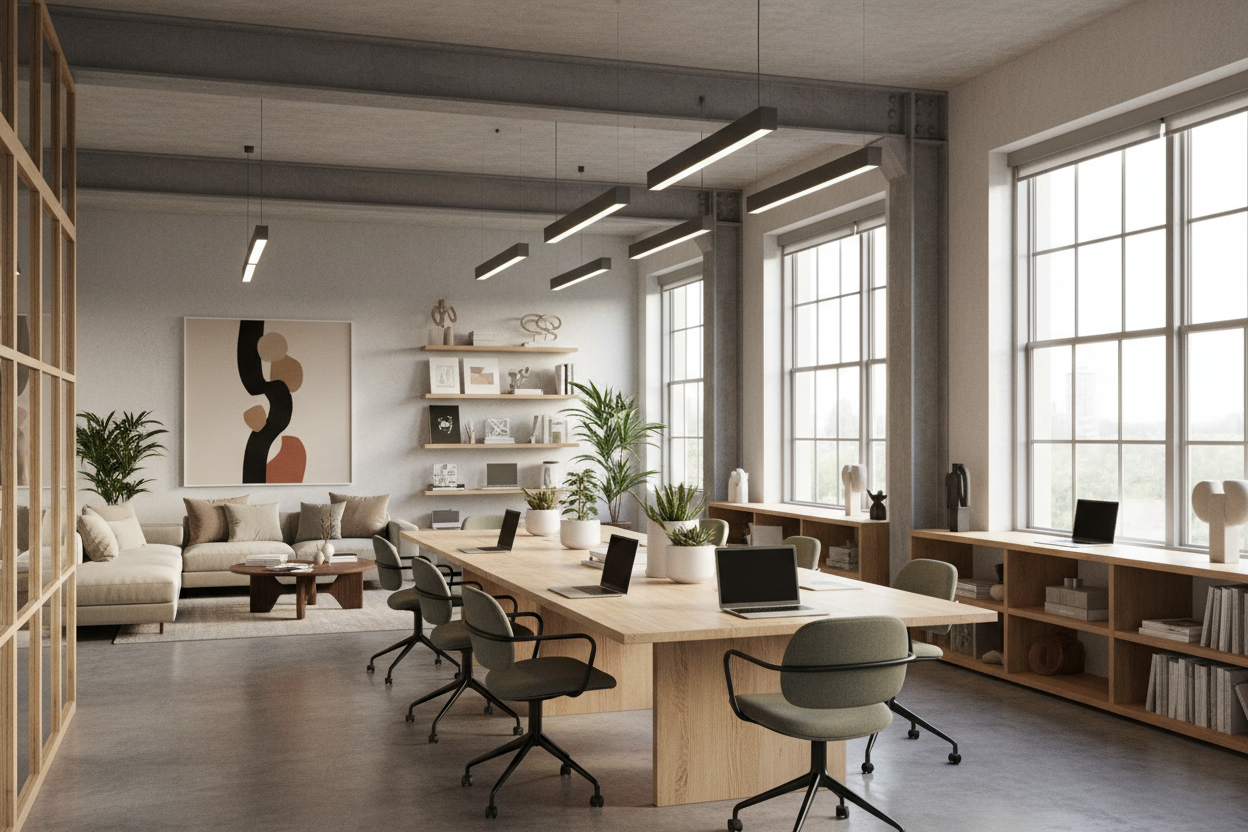
Does your workspace feel like a temporary station rather than a permanent command center? The difference between a cluttered desk and a high-performance environment often lies in structural thinking. You don't just need new furniture; you need the mindset of an office interior architect. By shifting your focus from mere decoration to spatial logic and flow, you can curate a space that commands respect and enhances focus.
Core Design Principles
Before buying a single piece of furniture, consider the foundational elements that professional office architects prioritize to secure a functional layout.
- Spatial Zoning: Distinct separation between deep work areas and collaborative or relaxation zones.
- Acoustic Control: Integrating soft materials to dampen echo and maintain audio privacy.
- Lighting Layers: Balancing architectural task lighting with ambient warmth to reduce eye strain.
- Material Authenticity: Prioritizing honest materials like solid wood, glass, and steel over faux finishes.
- Ergonomic Integration: Ensuring furniture supports human mechanics without sacrificing the visual silhouette.
Structuring the Layout: Architecture Design for Office Spaces
When we look at high-end architecture office design, the layout is never accidental. It is driven by the movement of light and people. Ideally, your desk should position you in a "command" stance—facing the door but not directly in line with it, with natural light hitting your workspace from the side to avoid glare on screens.
Flow and Negative Space
A common mistake is over-furnishing. Modern office architects rely heavily on negative space—the empty areas around furniture that allow the room to breathe. Ensure you have at least 36 to 48 inches of clearance behind your desk chair. This isn't just for movement; visually, it signals luxury and openness.
Materiality and Finishes
The hallmark of a sophisticated architect office interior is the tactile quality of the environment. Avoid high-gloss laminates that attract fingerprints and reflect harsh overhead lighting. Instead, opt for matte finishes.
Wood and Metal Balance
For a grounded, modern architect office aesthetic, mix cool and warm tones. If your shelving units are blackened steel (cool), balance them with a walnut or white oak desk (warm). This contrast creates visual tension that keeps the design dynamic. When selecting wood, look for "quarter-sawn" cuts, which provide a straighter grain pattern preferred in office architecture and design for its linear, clean look compared to the chaotic swirls of cathedral grain.
Curating Decor: Function as Form
Architect office decor is rarely purely ornamental. Every object usually serves a purpose. Instead of cluttering shelves with trinkets, use your storage for visual texture. Rows of architectural binders, material samples, or books arranged by height act as acoustic buffers and visual anchors.
Lighting as Sculpture
In design office architects' playbooks, the light fixture is the focal point. Invest in a suspension light or an articulate desk lamp with a strong silhouette. It acts as the jewelry of the room, drawing the eye up and establishing the vertical scale of the space.
Lessons from My Own Projects: The "Glass Box" Mistake
Early in my career, I designed a home office for a client who wanted that ultra-sleek, office architect design look—floor-to-ceiling glass, polished concrete floors, and a minimalist metal desk. Visually, it was stunning. Practically? It was a disaster.
The first time the client took a conference call, the echo was unbearable. The hard surfaces bounced sound waves around like a squash court. I learned a valuable lesson that day: aesthetics cannot override acoustics. We had to retrofit the space with a high-pile wool rug and install fabric-wrapped acoustic panels that looked like abstract art. Now, when I advise on office architecture design, I always check the "squish factor"—ensuring there are enough soft surfaces to absorb sound before we even talk about desk finishes.
Conclusion
Thinking like an architect means looking past the paint color and focusing on how the space works. By prioritizing light, flow, and honest materials, you elevate your office from a simple room to a sophisticated productive sanctuary. It is an investment in your daily clarity.
Frequently Asked Questions
What is the difference between an office interior architect and a decorator?
While a decorator focuses on soft furnishings, paint, and accessories, an office interior architect handles spatial planning, structural modifications, lighting design, and building code compliance to ensure safety and functionality.
How do I apply architect office interior design to a small room?
Focus on verticality. Use floor-to-ceiling shelving to draw the eye up, making the room feel taller. Keep the floor visible by choosing furniture with raised legs rather than heavy, boxy bases.
Is custom joinery worth the investment for a home office?
Yes. Custom built-ins optimize awkward corners that standard furniture cannot utilize. They provide a seamless look characteristic of professional architecture design for office spaces, increasing both storage and property value.
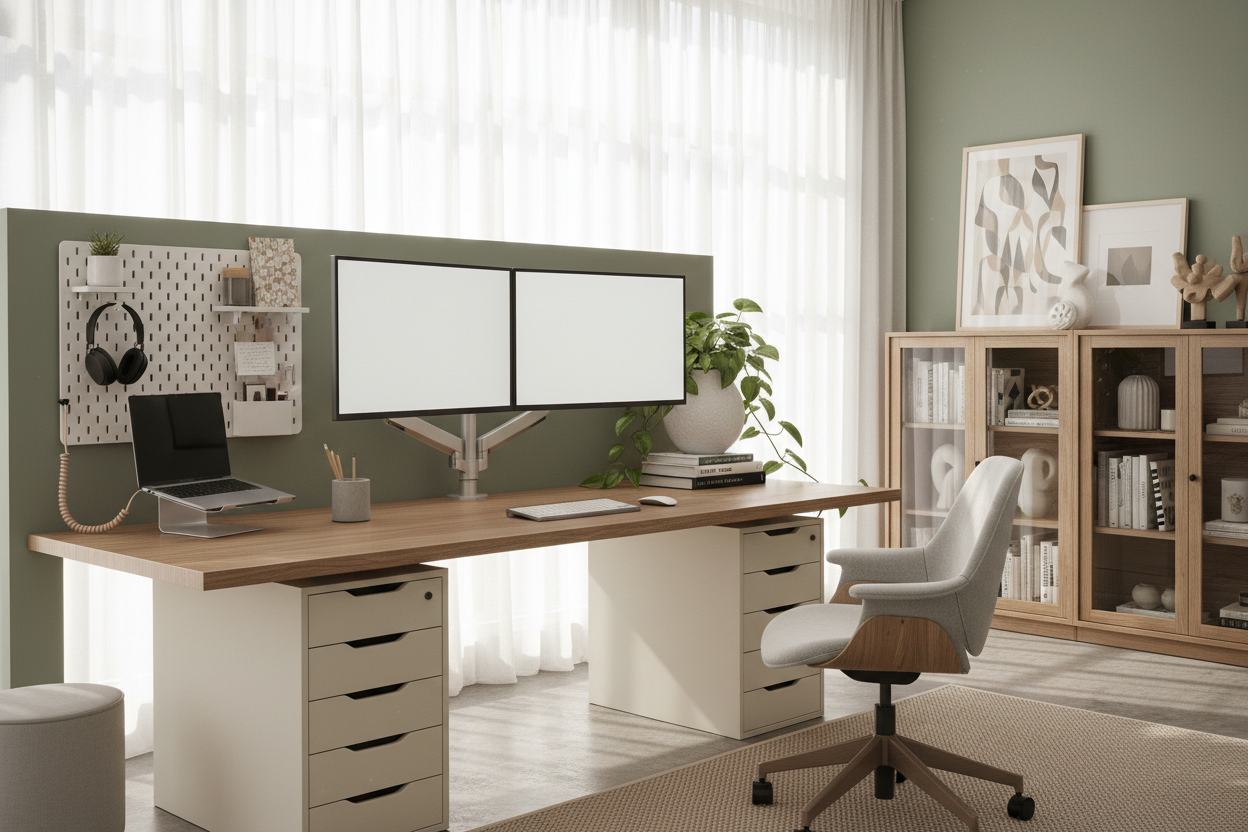
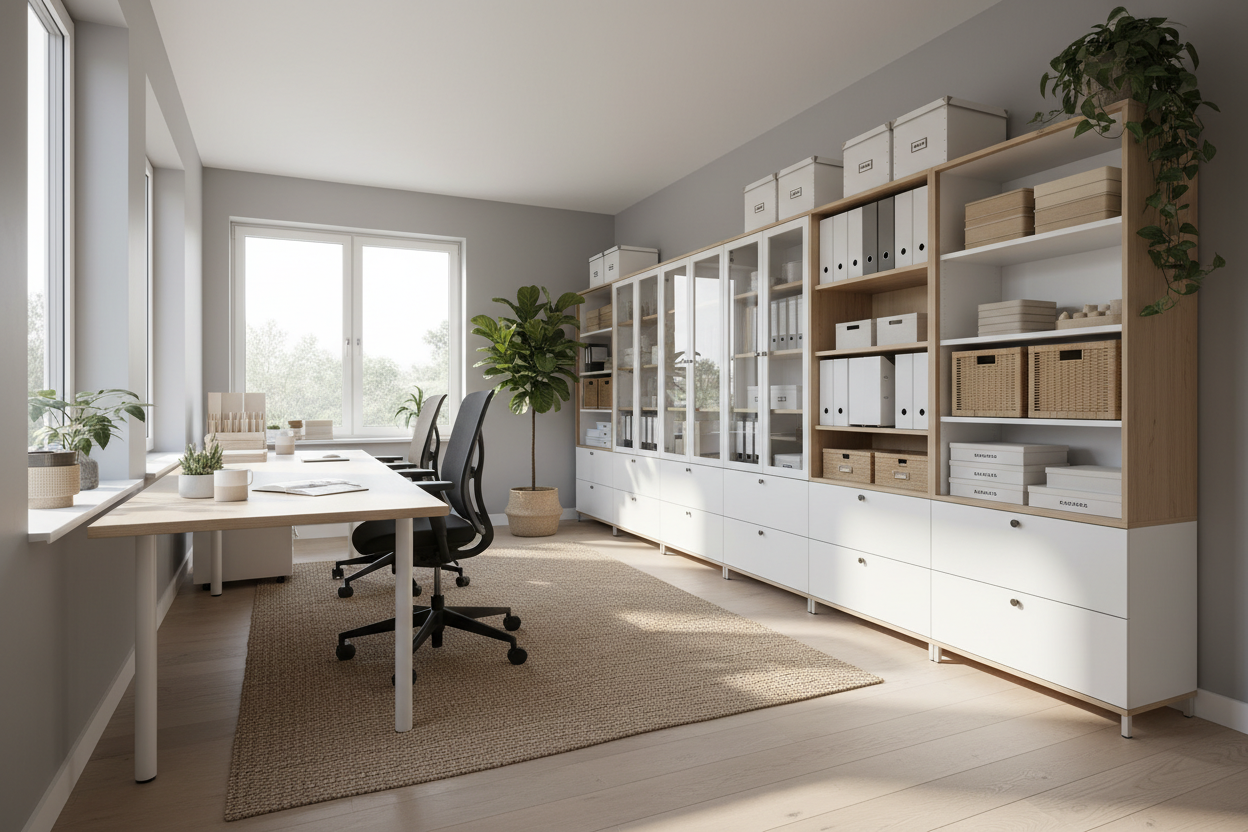

Leave a comment
This site is protected by hCaptcha and the hCaptcha Privacy Policy and Terms of Service apply.