










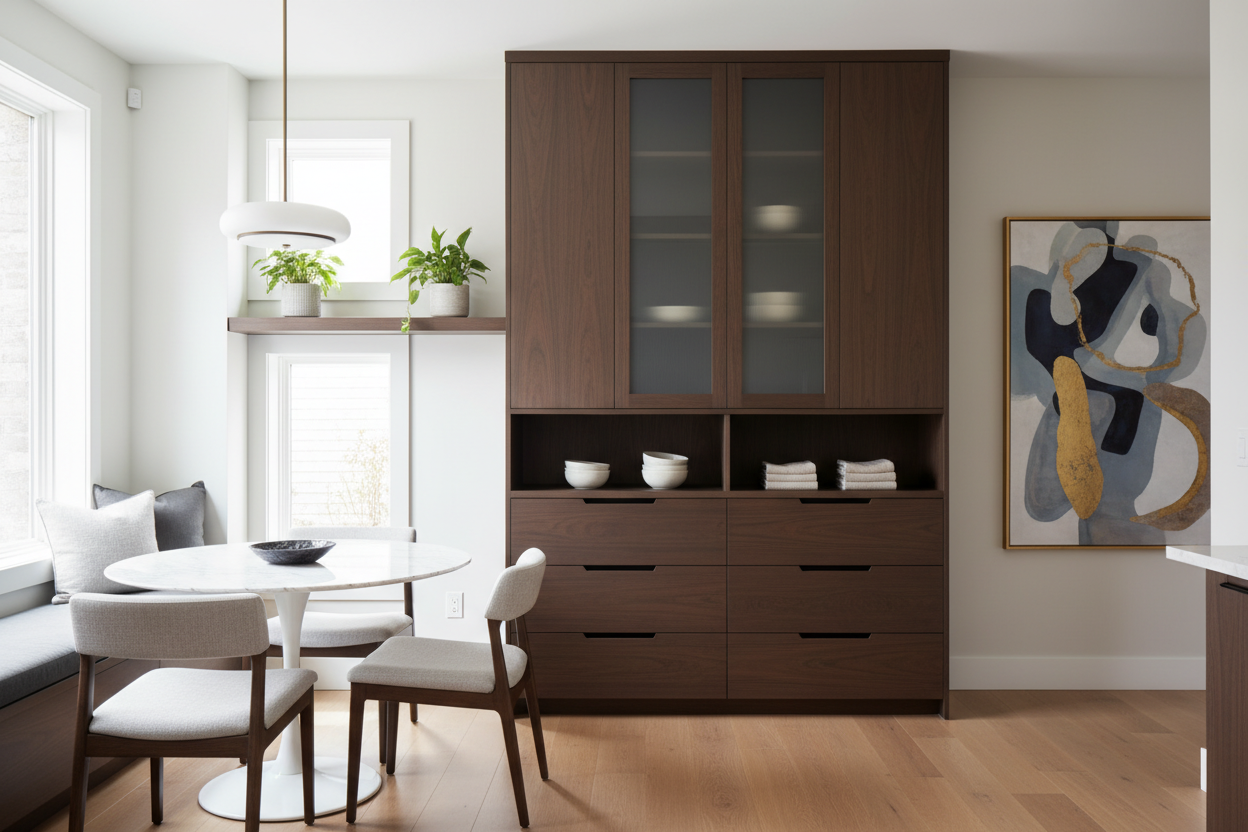
We have all been there: staring at a beautifully set dining table, only to have the aesthetic ruined by a stack of mail, random serving platters, and mismatched wine glasses sitting on a nearby console. Open-concept homes demand furniture that works twice as hard. That is exactly why a hutch with drawers and shelves remains one of the most hardworking pieces you can bring into a space. It marries the beauty of an open display with the practical, forgiving nature of closed storage.
Quick Decision Guide
- Measure your clearance: Ensure at least 36 inches between your dining table and the hutch to allow chairs to pull out comfortably.
- Follow the 60/40 rule: Keep 60 percent of the piece for closed storage (drawers/doors) and 40 percent for open shelving to prevent visual clutter.
- Anchor it safely: Because of their height and visual weight, these pieces must be anchored to the wall, especially in homes with children or pets.
- Consider hardware: Upgrading the knobs or pulls is the easiest way to modernize a traditional silhouette without breaking the budget.
Space Planning and Visual Weight
Sizing for North American Dining Rooms
Typical suburban dining rooms average 11x14 feet. A massive, wall-to-wall storage hutch with doors can quickly overwhelm a room of this size. Instead, aim for a piece that leaves at least two feet of negative space on either side. This allows the walls to breathe and keeps the room feeling airy rather than cramped.
Managing Vertical Space
Hutches naturally draw the eye upward. If you have standard 8-foot ceilings, avoid pieces that scrape the crown molding. Leave at least 12 to 18 inches of space above the top to prevent the room from feeling top-heavy. You can use this negative space to display a single, low-profile piece of art or simply leave it blank for a cleaner look.
Mastering the Storage Mix
The Power of Hidden Compartments
Open shelving is fantastic for your curated ceramics and favorite cookbooks, but let us be realistic: nobody wants to look at your spare batteries and crumpled napkins. A storage hutch with drawers is ideal for stashing flatware, placemats, and those random odds and ends that inevitably accumulate in dining spaces.
Balancing Doors and Shelves
When selecting a hutch with shelves and doors, pay attention to the transition zone. Usually, the lower half serves as the heavy, grounded base, while the upper half remains open or glass-fronted. This classic proportion works because it anchors the piece visually. If the top half feels too heavy, the entire room will feel off-balance.
Designer's Honest Take
I have sourced dozens of these for clients over the last 15 years, and I will share a hard truth: dusting is the enemy of open shelving. In a recent project in a Chicago craftsman home, we installed a beautiful, matte-black hutch with fully open shelves on top. It looked stunning on installation day.
Six months later? The client admitted they hated having to take everything down to dust the shelves every two weeks. The dark finish highlighted every speck of dust. If you live in a dusty area, have pets, or simply hate chores, strongly consider glass doors for the upper shelving. It gives you the display aspect without the high-maintenance upkeep. Additionally, I learned early on that deep bottom drawers look great but often become bottomless pits for junk unless you invest in internal organizers.
Frequently Asked Questions
How do I style the open shelves without it looking cluttered?
Stick to a cohesive color palette and group items in odd numbers. Mix textures like wood, ceramic, and glass, and remember to leave plenty of negative space. Do not feel the need to fill every inch of the shelf.
Can I use a dining hutch in a living room?
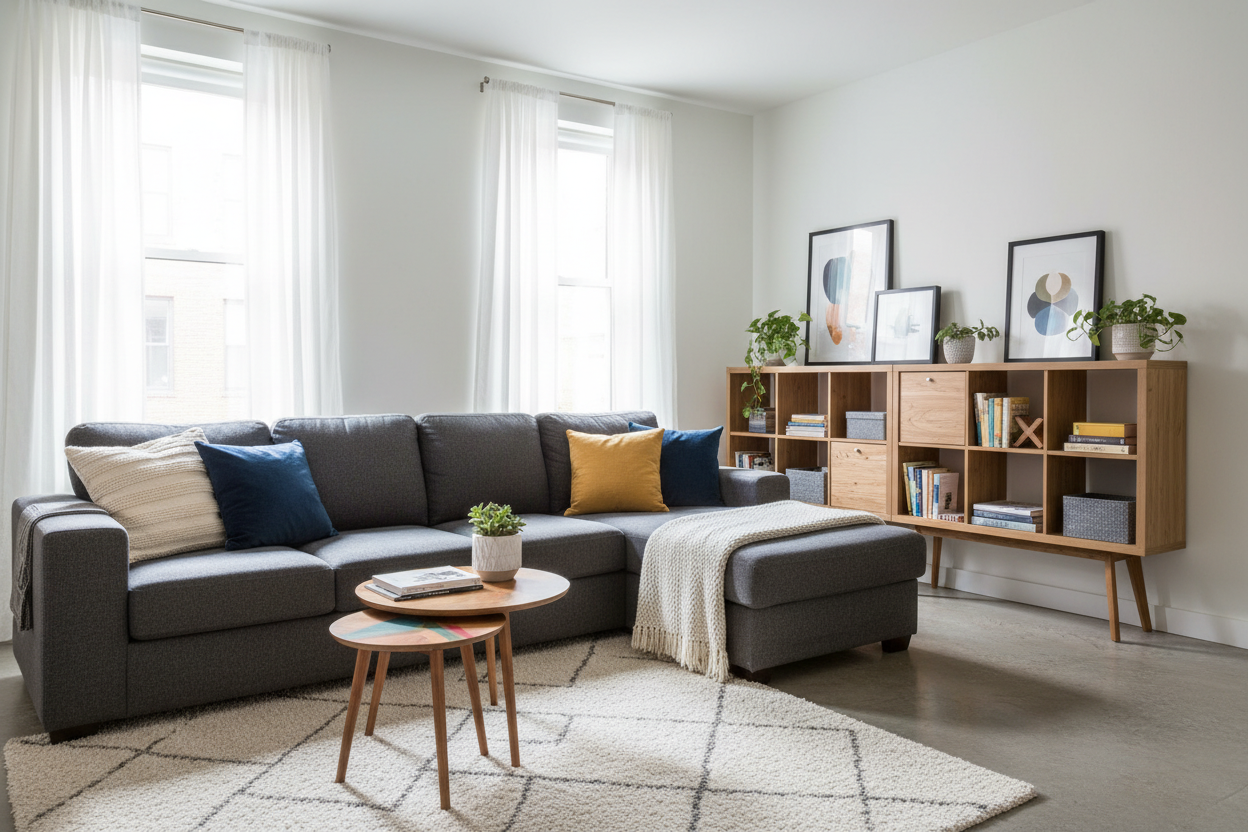
Absolutely. A hutch transitions beautifully into a living space as a bookcase or media storage unit. Just ensure the depth, which is usually 16 to 20 inches, does not encroach on your seating walkways or disrupt the flow of the room.
Are heavy wood hutches outdated?
Not if styled correctly. While the clunky, orange-oak monsters of the 1990s are out, a streamlined solid wood hutch brings warmth and texture to a modern space. You can easily modernize an older piece by painting it a moody, saturated color or updating the hardware to unlacquered brass.

Leave a comment
This site is protected by hCaptcha and the hCaptcha Privacy Policy and Terms of Service apply.