










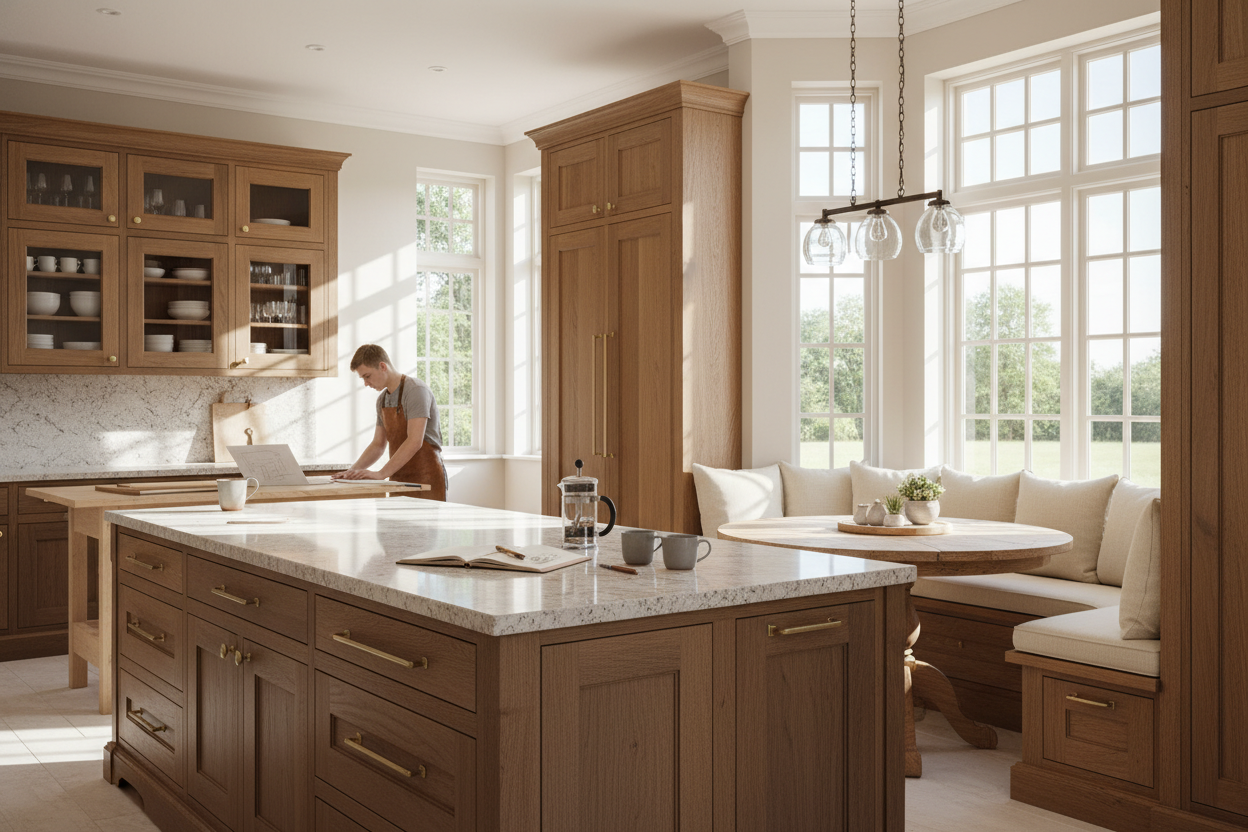
I remember walking into a client's kitchen last year—they'd just moved into a 1920s Craftsman home. The previous owners had installed big-box store cabinets that looked fine in photos, but up close, the doors were misaligned by 1/8 inch, the plywood sides were chipping at the edges, and the standard 24-inch depth left awkward gaps with their original plaster walls. They told me, 'We thought we were saving money, but now we're stuck with cabinets that don't fit our life or our house.' That moment is exactly why I'm writing this.
If you're considering a kitchen remodel and want something that actually fits—not just physically, but aesthetically and functionally—you've likely wondered about independent kitchen cabinet shops. Maybe you've browsed online and felt overwhelmed by generic options, or you're tired of seeing the same shaker-style doors in every showroom. Working with an independent maker isn't just about buying cabinets; it's about solving the unique puzzle of your kitchen.
Quick Takeaways
- Independent shops typically use solid wood or high-grade plywood (like 3/4-inch Baltic birch) instead of particleboard, which means doors won't warp in humid kitchens.
- Custom sizing allows for solutions like a 15-inch deep upper cabinet over a refrigerator to maximize storage in tight spaces.
- You can specify details like 2-inch overlay doors, soft-close undermount slides rated for 100 lbs, or custom stain matches to existing hardwood floors.
- Building a relationship with a local craftsperson often means they'll handle installation or coordinate with your contractor, reducing the risk of gaps or misalignment.
Why Independent Cabinet Shops Matter More Than You Think
Let's start with the obvious question: why go independent when you can walk into a chain store and order cabinets in an afternoon? I've furnished over 200 homes, and here's what I've seen. Mass-produced cabinets are designed for the average kitchen—but most kitchens aren't average. You might have a 97-inch wall that standard 30-inch cabinets leave with a 7-inch filler strip, or corners that could fit a clever lazy Susan but come with a basic blind cabinet instead.
Independent makers work differently. Last month, I visited a shop where the owner showed me how they mill their own maple doors from rough lumber, letting it acclimate to the workshop humidity for two weeks before cutting. That prevents the seasonal shrinking and swelling that causes gaps. They also offer custom dovetail drawer boxes with 1/2-inch sides—most factory ones use 3/8-inch material that feels flimsy when loaded with pots. The customization goes beyond size; think inset doors that sit flush with the frame (requiring precise 1/8-inch gaps all around) or integrated charging stations in a drawer front.
Supporting these shops isn't just sentimental. When you work locally, you're often dealing directly with the person who builds your cabinets. I've had clients text photos of a damaged corner six months after installation, and the maker came out to repair it personally. Try getting that from a corporate service line.
How to Find Kitchen Cabinet Manufacturers That Fit Your Vision
So, you're convinced—but how do you actually find these shops? Start with a simple online search, but get specific. Instead of 'custom cabinets near me,' try 'cabinet maker [your city]' or 'hardwood cabinet shop.' Look for websites that show a workshop, not just a showroom. Many independent shops don't have huge marketing budgets, so their sites might be simple, but they should display a portfolio of completed projects. Check if they list materials—terms like 'full-extension slides' or 'plywood box construction' are good signs.
Ask for referrals from contractors, architects, or even local hardware stores. I found one of my favorite makers through a tile supplier who mentioned, 'They built cabinets for a historic renovation where everything had to be exactly 3/4-inch thick to match the original.' Trade shows and home expos can be hit-or-miss, but look for booths where the person talking is the builder, not a sales rep. When you contact a shop, ask direct questions: 'What's your lead time for a typical 10x12 kitchen?' 'Do you use Blum or Grass hardware?' 'Can I see samples of your door profiles?'
Budget is a real concern. Custom work often costs 20-40% more than stock cabinets, but you're paying for fit and longevity. If you're worried about price, I've written about ways to find quality cabinets without markup by focusing on essential custom elements, like having drawers sized for your specific pots, while keeping other parts standard.
Who Made My Cabinets: The Identification Process
Maybe you've moved into a home with existing cabinets and have no idea who built them. I get this question often—clients love the cabinets but need an extra shelf or want to match them for an addition. Start by looking for labels. Open every door and drawer, especially in upper corners or on the underside of shelves. Some makers use a small foil stamp or handwritten mark. Check the back of drawers or inside the cabinet box, near the hinge mounting plate.
If there's no label, examine the construction. Factory cabinets often have uniform 32mm hole spacing for adjustable shelves, visible on the sides. Handmade ones might have irregular spacing or thicker shelf standards. Look at the joinery—dovetail drawers indicate higher quality, while stapled or nailed construction is more common in mass production. The wood type matters too; if it's a distinctive grain like quartersawn oak or cherry, a local lumberyard might recognize it.
Hardware can be a clue. Remove a hinge or slide—many have manufacturer names like 'Hettich' or 'Salice' stamped on them. Take clear photos of the cabinet doors, hinges, and any unique details, then visit a local cabinet shop or woodworking store. They might recognize the style. As a last resort, a professional cabinet installer can often identify the maker based on construction techniques, like the type of glue used or the corner blocking method.
What to Look for When Visiting Independent Shops
Once you've found a few shops, schedule visits. Don't just look at finished cabinets—ask to see the workshop. A clean, organized space with well-maintained tools is a good sign. I once saw a shop where the table saw had a digital fence readout accurate to 1/64 inch; that level of precision translates to your kitchen. Ask about material sourcing. Do they keep domestic hardwoods like maple or walnut in stock, or do they order per project? Local sourcing can reduce lead times.
Review their portfolio with a critical eye. Look for variety—not just different styles, but solutions to odd spaces. Did they build a corner pantry cabinet set that maximizes a tight corner with full-extension shelves? Ask about finish options. A good shop will offer samples you can take home to see under your kitchen lighting. Discuss construction methods: do they use mortise-and-tenon joints for doors, or are they screwed and glued? The former is more durable but takes longer.
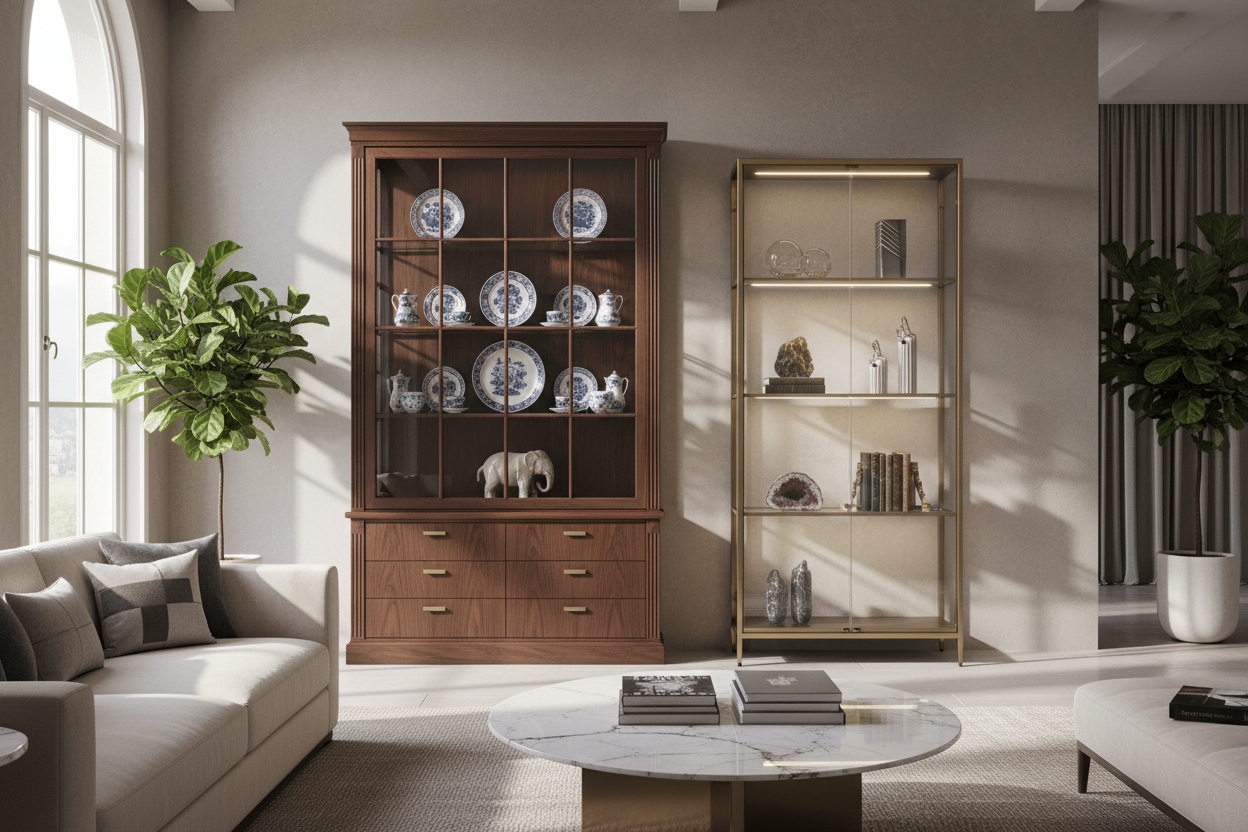
Communication style matters. The best makers I've worked with ask detailed questions: 'How tall are your tallest plates?' 'Do you prefer drawers or doors for lower cabinets?' They should also discuss complementary pieces, like how a choosing the perfect buffet cabinet can extend your storage without crowding the cooking area. Avoid shops that promise unrealistic timelines or can't explain why they choose certain materials.
Making the Most of Your Independent Cabinet Investment
Collaborating with an independent maker is a partnership. Start with a detailed design consultation. Bring measurements, photos, and inspiration images. Be honest about your budget—a good craftsperson can suggest where to splurge (like solid wood doors) and where to save (using plywood for interior boxes). Discuss timelines upfront. Custom cabinets typically take 6-12 weeks from design to delivery, plus installation time. Factor that into your renovation plan.
During construction, expect updates. Some shops send photos of the raw wood or assembled boxes. If possible, visit mid-process to check stain colors or hardware placement. Installation is critical—even the best cabinets look poor if they're not level. Many independent shops handle installation themselves or work closely with trusted installers. Be present on installation day to address any fit issues immediately, like a cabinet that's 1/2 inch too tall for your ceiling.
After installation, maintain the relationship. Ask for care instructions—for example, oil-based finishes might need reapplication every few years. Keep the maker's contact info for future projects, like adding a buffet cabinet with storage later. They can match the stain and style perfectly. If you're planning a larger remodel, consider how cabinets integrate with other elements, like a kitchen island collection that complements the custom work.
Frequently Asked Questions
How much more do independent cabinets cost compared to big-box stores?
Typically 20-40% more, but this varies by region and materials. A basic painted maple kitchen might start around $15,000 for a 10x12 space, while high-end walnut with custom details can exceed $30,000. The investment often pays off in longevity—I've seen independent cabinets last 30+ years with proper care.
What if I need a repair or additional cabinet later?
This is where independents shine. Keep the finish sample and hardware details. Most makers keep records of projects and can replicate pieces years later. I had a client add a baking sheet cabinet five years after their initial install, and the shop matched it seamlessly because they'd noted the paint code.
How do I verify the quality of an independent shop?
Ask for references and actually call them. Visit completed projects if possible. Check online reviews, but prioritize detailed feedback over star ratings. Look for membership in trade organizations like the Cabinet Makers Association, which often requires adherence to construction standards.
Can I get custom cabinets in a modern style, or are they only for traditional homes?
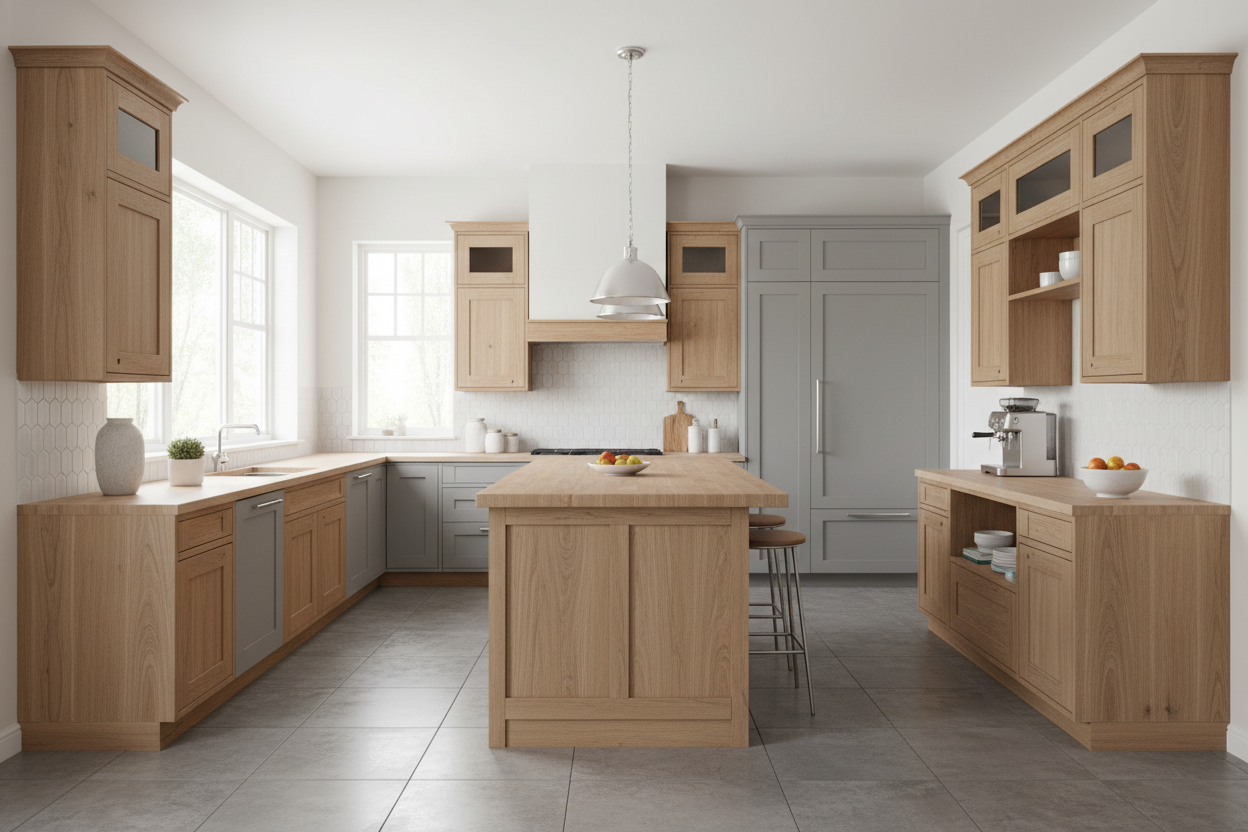
Absolutely. Many independent shops excel at modern designs with flat-panel doors, integrated handles, and innovative materials like laminates or metals. The advantage is they can execute precise details, like a 1/4-inch reveal between cabinets, that factory options might not offer.

Leave a comment
This site is protected by hCaptcha and the hCaptcha Privacy Policy and Terms of Service apply.