










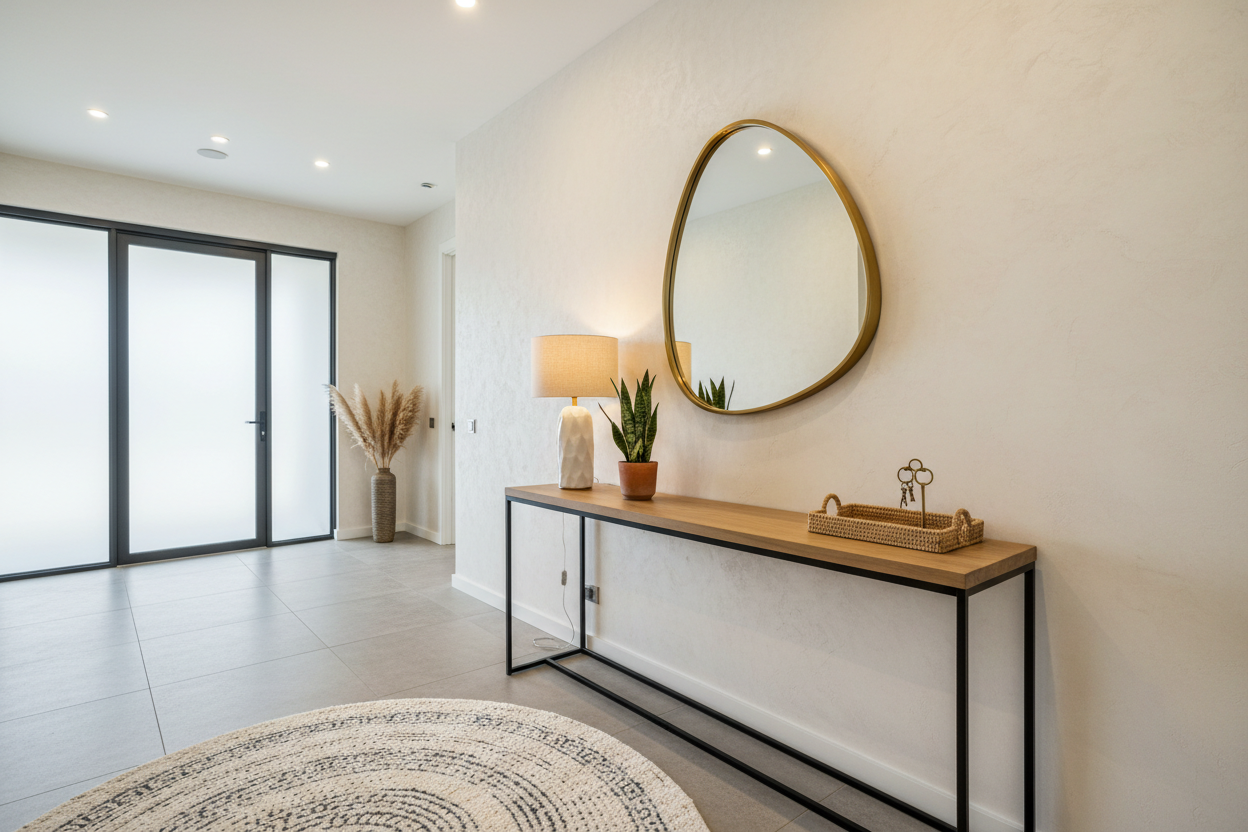
Your front door opens, and the first thing you see sets the tone for the entire home. It isn't the sofa in the living room or the kitchen island around the corner; it is the immediate landing space. This area requires a specific kind of furniture that balances heavy-duty utility with high-end aesthetics. Finding the right table for entrance hall spaces is less about filling a void and more about creating a functional "landing strip" for your life. It needs to catch your keys, hold a lamp for ambiance, and say "welcome home" all at once.
Many homeowners treat the hallway as an afterthought, a transitional tunnel to get from point A to point B. This is a missed opportunity. A well-placed surface anchors the space, providing a focal point that distracts from the chaos of shoes and coats. Whether you have a sprawling foyer or a cramped vestibule, the surface you choose acts as the command center for your daily departures and arrivals.
Defining the Purpose of Your Entryway
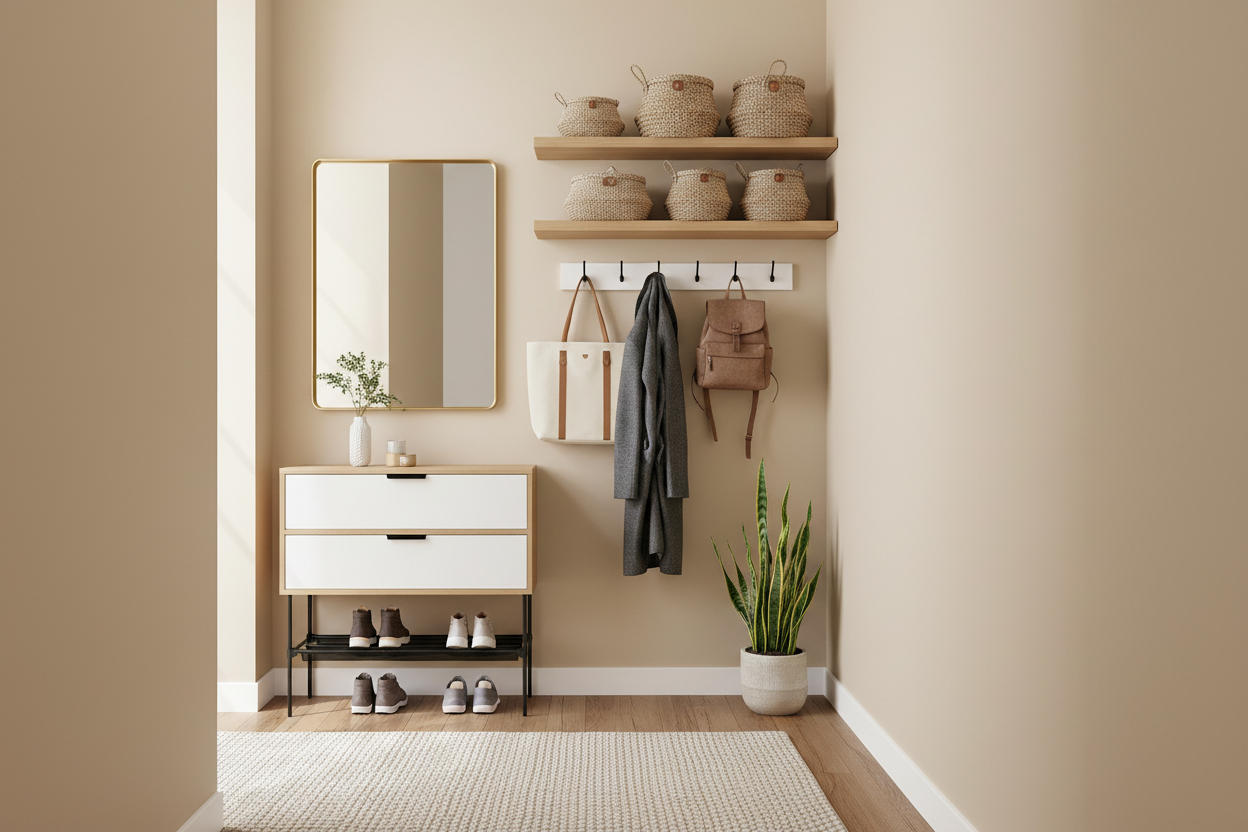
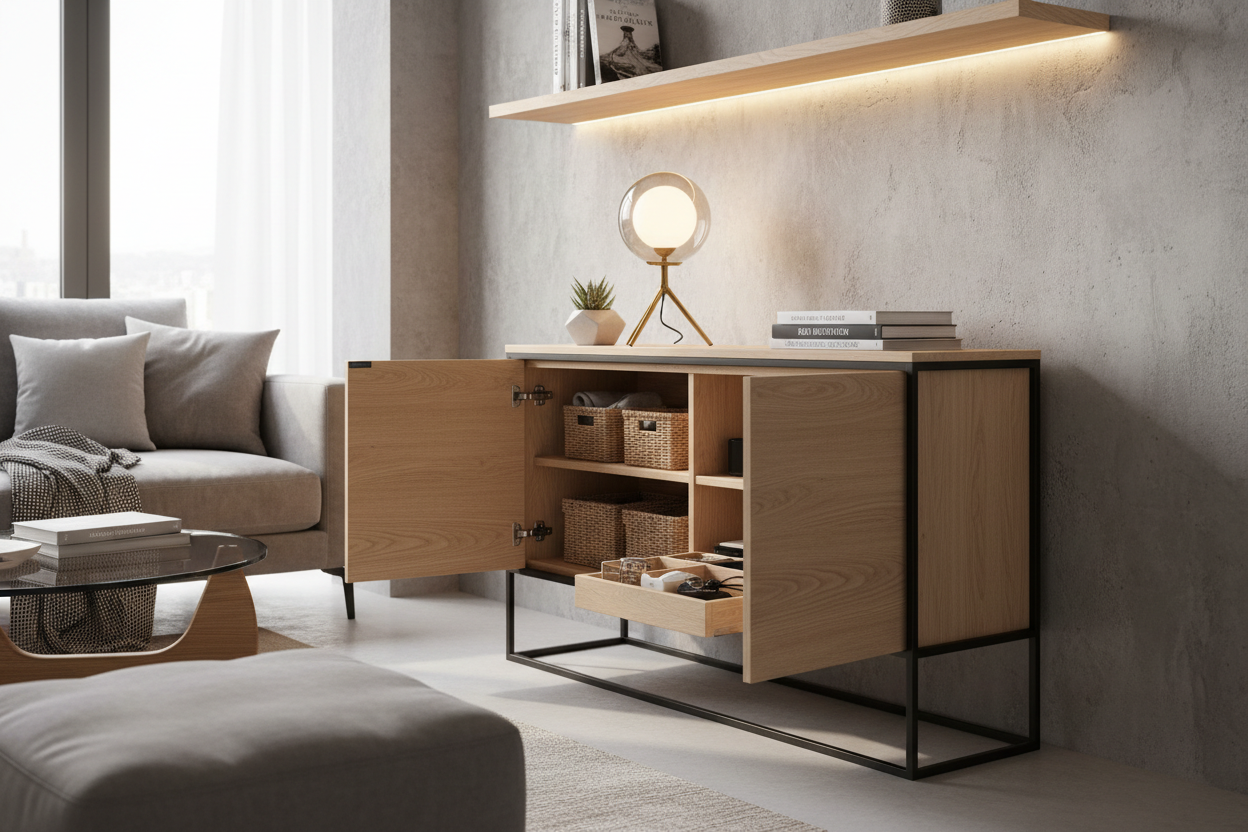
Before pulling out the measuring tape, look at how you currently use your entrance. Do you dump mail on the floor? Do keys vanish into coat pockets, never to be seen again? If your hallway is a chaotic drop zone, you need a piece with storage capabilities—drawers or a lower shelf for baskets. If your entry is purely for guests and you enter through a garage or side door, your priority shifts to aesthetics. In this scenario, the table becomes a gallery for a sculptural vase, a stack of art books, or a statement lamp.
I learned this lesson the hard way in my second apartment. The hallway was incredibly narrow, barely wide enough for two people to pass. I insisted on buying a heavy, deep vintage chest because I loved the look of it. Within a week, I had bruised my hip on the corner three times, and the visual weight of the piece made the hallway feel like a cave. I eventually swapped it for a slim, open-legged console. The difference was night and day. The airiness of the legs exposed the floorboards, making the hall look wider, and the shallow depth allowed for easy movement. That experience taught me that flow always trumps furniture size.
Navigating Size and Scale
Proportion is the silent killer of interior design. A tiny table in a grand foyer looks like a mistake, while a massive credenza in a tight corridor feels oppressive. Standard entrance hall tables usually stand about 30 inches high, aligning comfortably with the hip. This height makes it easy to drop items without bending over. Length and depth, however, vary wildly.
For narrow corridors, look for "console" depths, which can be as slim as 10 to 12 inches. You need at least 36 inches of clearance for a walkway; anything less and the space will feel claustrophobic. If you are blessed with a large, square foyer, pushing a table against the wall might feel lackluster. In these grander spaces, a round center table creates a dramatic hotel-lobby effect, forcing traffic to flow around it and creating a dynamic visual moment.
The Alternative: The Side Table Entrance
Not every home has the wall space for a long console. In urban apartments or older homes with quirky layouts, you might only have a small sliver of wall or a corner nook. This is where a side table entrance setup shines. A pedestal table, typically used next to a sofa, can be repurposed here effectively. A tall, slender plant stand or a demi-lune (half-moon) table can also serve the purpose without protruding into the walkway.
Using a smaller footprint doesn't mean sacrificing style. A small round marble-top table tucked into a corner with a single dramatic sconce above it can be just as impactful as a six-foot sideboard. The goal is to provide a surface, however small, to ground the entry.
Material Matters
The hallway is a high-traffic zone. Whatever you place there will get bumped by grocery bags, splashed by wet umbrellas, and scratched by keys. Delicate finishes like high-gloss lacquer or untreated softwoods might show wear too quickly. Weathered wood, stone, metal, and tempered glass are superior choices for durability.
Glass and acrylic are particularly useful in dark or small hallways. Because they are transparent, they take up zero "visual weight," making the space feel uncluttered while still providing the necessary surface area. Conversely, if your hallway feels cold and echoing, a solid wood piece adds necessary warmth and acoustic absorption.
Styling: The Rule of Three
Once the furniture is in place, styling it is the fun part. Avoid the temptation to line items up in a row like soldiers. Designers often rely on the "rule of three" and the concept of varying heights to create interest. You want the eye to travel up and down, not just scan across.
Start with an anchor on the wall. A large mirror is the most practical choice; it allows for a last-minute outfit check and reflects light to brighten the area. Alternatively, a large piece of art works well. Next, add height on one side of the table. A tall table lamp or a vase with branches works perfectly here. Finally, balance the other side with a lower object, such as a stack of books or a catch-all tray.
The catch-all tray is non-negotiable. Without a designated spot for loose change and keys, your beautifully styled surface will inevitably become cluttered. A leather bowl, a ceramic dish, or a woven basket creates a boundary for the mess, keeping the rest of the table pristine.
Lighting the Way
Overhead lighting in hallways can be harsh and unflattering. Adding a lamp to your entrance table introduces a layer of soft, welcoming light. If you don't have an outlet nearby, consider a battery-operated lamp or installing wall sconces that flank the table. The glow from a table lamp creates a warm invitation that overhead recessed lighting simply cannot replicate.
Underneath the table matters too. If you have an open-console design, the space below is prime real estate. Tuck two matching ottomans underneath for extra seating that can be pulled out when guests arrive, or place large woven baskets there to hide shoes and umbrellas. This grounds the table so it doesn't look like it's floating aimlessly and maximizes the utility of the square footage.
Final Thoughts on Flow
Your entryway sets expectations. It is the handshake of your home. Whether you opt for a grand mahogany piece or a modest side table entrance arrangement, the key is intentionality. Measure your clearance, choose durable materials, and style with a mix of utility and beauty. When you walk through the door and have a beautiful place to set down your keys, the stress of the outside world tends to drop away just a little bit faster.
Frequently Asked Questions
How much space do I need between the entrance table and the opposite wall?
You should aim for a minimum of 36 inches of clearance to allow for comfortable walking traffic. If your hallway is narrower than this, consider a floating shelf or a very shallow console (under 10 inches deep) to maintain flow without obstructing movement.
Can I use a dresser instead of a console table in the foyer?
Absolutely, a dresser is an excellent choice if you have the space depth and need extra storage. It works particularly well for hiding hats, gloves, and dog leashes, keeping the surface clear for decor. Just ensure the piece doesn't feel too heavy or block the door swing.
What is the ideal height for a mirror above an entry table?
The bottom of the mirror should generally hang 6 to 8 inches above the tabletop to connect the two visually. However, you should also ensure the center of the mirror is at eye level (roughly 60 to 65 inches from the floor) so it is functional for checking your reflection.

Leave a comment
This site is protected by hCaptcha and the hCaptcha Privacy Policy and Terms of Service apply.