










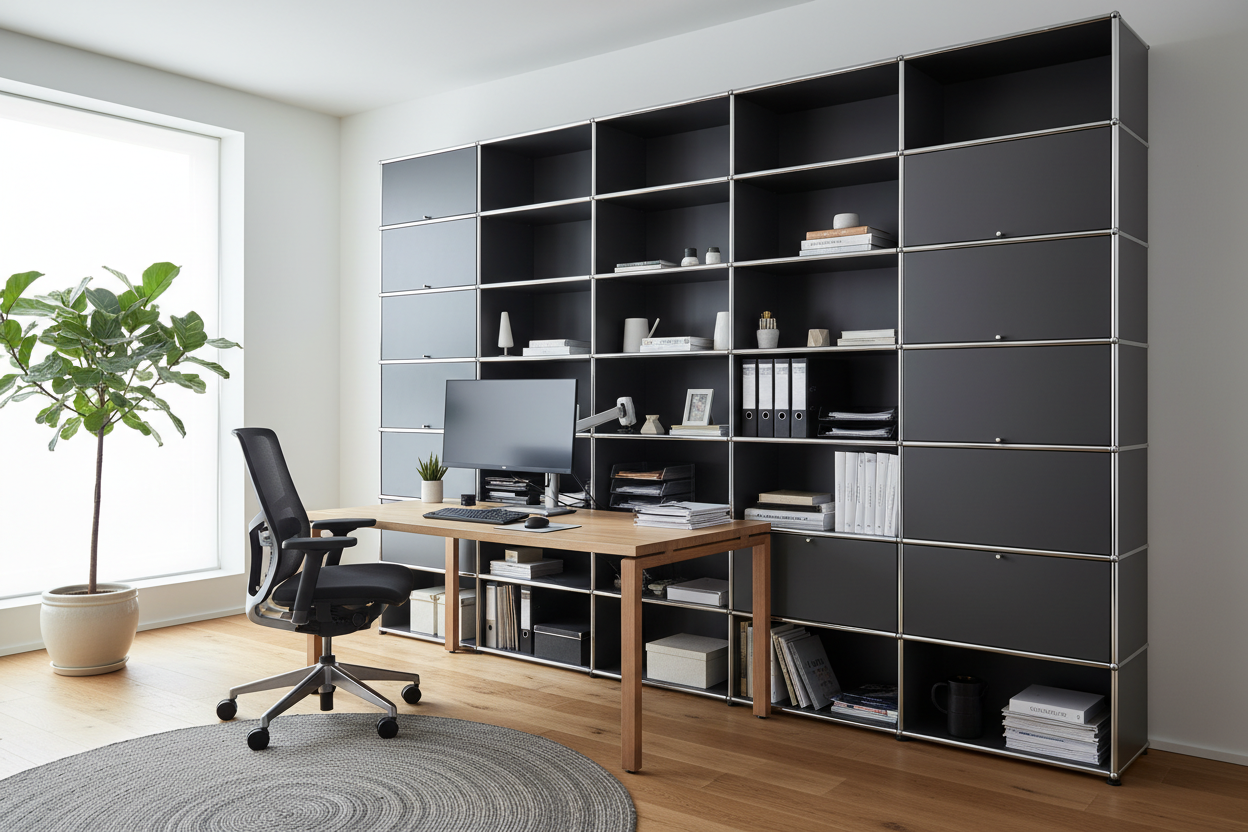
The modern home often suffers from an identity crisis. Is it a sanctuary for relaxation, or is it a bustling workspace? The friction occurs when we try to force bulky, utilitarian office furniture into curated living spaces. The solution is rarely just a smaller table; it is a thoughtfully designed multifunctional desk that respects your square footage while elevating your interior architecture.
Key Features to Look For
Before committing to a purchase, review this checklist to ensure the piece meets both ergonomic standards and aesthetic requirements:
- Integrated Storage: Look for vertical hutches or hidden drawers to minimize visual clutter.
- Convertible Mechanisms: Drop-leaf extensions or pull-out console capabilities for flexibility.
- Material Density: ensure the core can support clamp-on accessories (monitor arms) without cracking.
- Cable Management: Built-in grommets or channels are essential for a clean silhouette.
- Scale and Proportion: The piece should offer at least 24 inches of depth for proper screen viewing distance.
Defining the Purpose: More Than Just a Surface
When selecting a functional office desk, we must move beyond the basic concept of a flat surface. In my design practice, I categorize these pieces by their secondary function. Is it a console table that greets guests in the hallway by day? Or perhaps a dining surface for two in a studio apartment?
A true multipurpose desk seamlessly transitions between these roles. For instance, a secretary desk with a closing hutch allows you to physically and psychologically "close up shop" at the end of the day, hiding the chaos of cables and paperwork behind a beautiful veneer front. This separation is vital for maintaining a restful ambience in open-concept living areas.
Material Selection and Visual Weight
The durability of multifunctional desks is often overlooked in favor of clever mechanisms. However, a multi use desk sees twice the traffic of a standard piece. If you are eyeing a piece for a high-traffic zone, avoid low-grade particle board which tends to chip at the edges within months.
Solid Wood vs. Engineered Surfaces
For a luxury aesthetic, solid walnut or oak offers longevity and can be refinished. However, high-pressure laminates (HPL) have come a long way and offer superior resistance to heat and moisture—critical if your multi functional desk doubles as a breakfast bar. Pay attention to the "visual weight" of the piece. In smaller rooms, acrylic legs or slender metal frames allow light to pass through, keeping the room feeling airy rather than congested.
Ergonomics in Disguise
A common pitfall with a multi-purpose desk is sacrificing comfort for style. A desk might look stunning as a console, but if the apron (the vertical panel beneath the top) is too deep, it will restrict thigh clearance, forcing you to sit too low or hunch over.
Always verify the "knee space height." Standard dining height is 30 inches, but ergonomic typing height is often lower (around 28 inches). If the desk is fixed, ensure your chair is adjustable. The goal is a functional desk that supports your posture for eight hours, not just a decorative stand for a laptop.
My Personal Take on Multifunctional Desks
I learned a hard lesson about "hidden" construction early in my career while outfitting a client's home office in a pre-war apartment. I specified a sleek, glossy functional desk that looked incredible in the catalog. It was marketed as a heavy-duty workstation.
However, when we went to install a dual-monitor arm via a C-clamp, we heard a sickening crunch. The desk top was a "hollow core" design—basically a honeycomb cardboard structure sandwiched between thin wood sheets. It couldn't handle the concentrated pressure of the clamp. Now, whenever I inspect a multi use desk for a client, I physically knock on the underside of the tabletop. If it sounds hollow, I walk away. I also check the drawer glides immediately; if a desk claims to be multifunctional but uses cheap plastic runners, it won't survive the daily transition from office to dining. Always check the tactile details that photos don't show.
Curating Your Workspace
Investing in the right furniture is about balancing engineering with artistry. A well-chosen multifunctional desk serves as the anchor of your room, proving that you don't need a dedicated room to have a dedicated, professional workspace. It allows your home to work as hard as you do, without looking like a corporate cubicle.
Frequently Asked Questions
How do I maintain the finish on a desk that is also used for dining?
If your functional office desk doubles as a dining table, use placemats with cork backing to prevent heat transfer. For wood veneers, avoid silicone-based polishes which can create a hazy buildup; stick to a damp microfiber cloth and mild soap.
What is the minimum size for a functional desk in a small bedroom?
To be truly usable, aim for a width of at least 36 inches and a depth of 20 inches. Anything shallower than 20 inches will force your face too close to the screen, causing eye strain, regardless of how much space it saves.
Can a console table work as a multi functional desk?
Yes, but be wary of stability. Console tables are often tall and narrow. Ensure the piece has substantial weight at the base or can be anchored to the wall to prevent wobbling while you type or write.

Leave a comment
This site is protected by hCaptcha and the hCaptcha Privacy Policy and Terms of Service apply.