










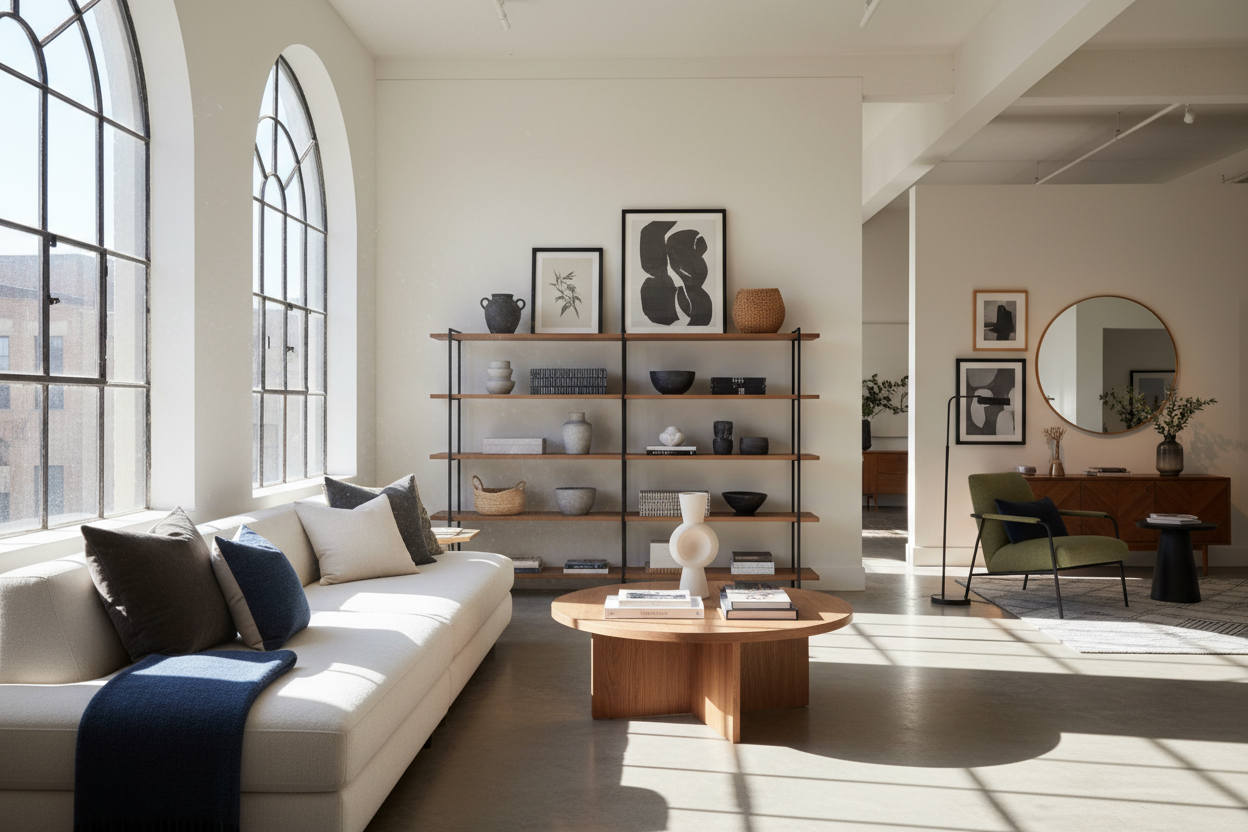
Walking into a sprawling retail floor or browsing an extensive online catalog can feel less like a creative endeavor and more like a navigational challenge. You are looking for a piece that anchors your living room, yet you are met with endless rows of beige upholstery and lighting that flatters nothing. As a designer, I see clients make the same error repeatedly: they buy for the moment rather than the decade. Navigating the home department requires a shift in perspective—moving from a consumer mindset to a curator mindset.
Quick Decision Checklist: What to Check Before You Buy
Before you commit to a purchase, run the piece through this rapid assessment filter to ensure it meets professional standards:
- Frame Construction: Ask if the frame is kiln-dried hardwood. Avoid particle board or stapled plywood for load-bearing pieces.
- Fabric Rub Count: For daily use seating, look for a double-rub count of at least 15,000 to ensure longevity.
- Cushion Composition: Check for high-resiliency foam wrapped in down or dacron; pure foam flattens, and pure down requires constant fluffing.
- Joinery: On wood furniture, look for dovetail or mortise-and-tenon joints rather than glue and staples.
- Scale vs. Showroom: Furniture always looks smaller in a cavernous store than it will in your living room.
Decoding Material Quality on the Floor
When you are walking through the home department, your hands are just as important as your eyes. A piece might possess a striking silhouette, but the tactile experience reveals its true integrity.
Wood and Veneers
There is a misconception that all veneer is low quality. In high-end design, veneers are used to achieve grain patterns impossible with solid wood. However, you must inspect the edging. If you can feel a sharp, plastic-like ridge at the corner of a table, it is likely a low-grade laminate that will peel. Quality veneer should feel seamless and possess the temperature of real wood, not the coldness of plastic.
Upholstery and Stitching
Inspect the seams. On a quality sofa, patterns (like stripes or plaids) should match up perfectly at the seams. If the pattern is misaligned, the manufacturer cut corners on fabric usage. Furthermore, pull the fabric slightly; if the weave separates easily, it will sag and pill within months.
Space Planning: The Showroom Illusion
Department stores are designed with soaring ceilings and minimal walls, creating an optical illusion that makes massive sectionals look petite. I advise clients to bring a roll of painter's tape to the store—or at least the exact measurements of their room's footprint.
When assessing a piece in the home department, consider the negative space. A coffee table shouldn't just fit; it needs 18 inches of clearance on all sides for proper traffic flow. If a piece looks "cozy" in the store, it will likely feel suffocating in a standard 12x14 living room.
Visual Balance and Aesthetic Weight
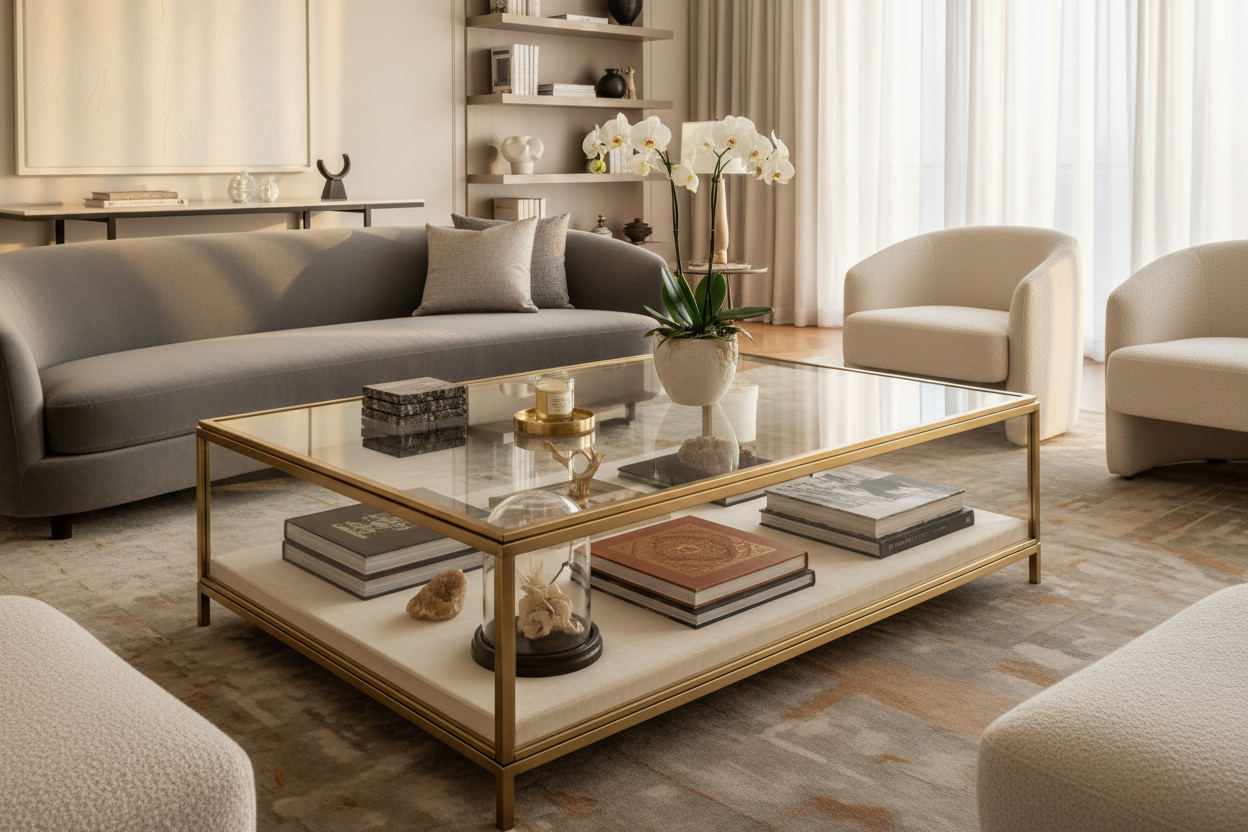
A cohesively designed room relies on balancing visual weight. If you select a chunky, ground-hugging velvet sofa, pairing it with a heavy, solid wood coffee table will make the room feel bottom-heavy. Instead, look for pieces that offer "leggy" silhouettes or glass tops to allow light to travel through the space. The goal is to create a dialogue between the items, not a shouting match of heavy textures.
Lessons from My Own Projects: The "Elevator" Incident
Early in my career, I was sourcing for a penthouse renovation and found the perfect tuxedo sofa in a luxury home department. It checked every box: kiln-dried frame, performance velvet, and the perfect shade of charcoal. I sat on it, tested the bounce, and inspected the stitching. I was thorough.
However, I forgot the logistics. When the delivery team arrived, the sofa was three inches too long to stand up in the building's service elevator. We ended up having to hire a craning service to hoist the sofa through the balcony doors—a $1,500 mistake I never made again. Now, when I shop, I don't just measure the room; I measure the hallways, the elevator diagonal, and the door frames. If the legs don't unscrew, think twice before buying for a tight urban space.
Conclusion
Building a home that feels collected and authentic takes patience. By looking past the staging tricks and focusing on construction, scale, and material integrity, you can find pieces that offer both comfort and longevity. Treat your next trip to the store as a treasure hunt for quality, not just a quick fix for an empty corner.
Frequently Asked Questions
How do I know if a sofa will fit through my door?
Measure the height of the door frame and the diagonal depth of the sofa. If the sofa's back height is greater than the door width, you may need to angle it. Always check if the legs are removable, as this often gains you the crucial 3-4 inches needed for clearance.
Is it worth buying floor models from the home department?
Yes, but inspect them rigorously. Floor models have been "sit-tested" by hundreds of people. Check for structural creaking and fabric stains. If the frame is solid, a floor model can be a fantastic way to acquire a designer piece at a fraction of the cost.
Should I match all my wood finishes?
No, matching everything creates a "catalog" look that lacks character. Instead, aim to blend tones. If you have dark walnut floors, try a lighter oak or a painted finish for your furniture to create contrast and depth.

Leave a comment
This site is protected by hCaptcha and the hCaptcha Privacy Policy and Terms of Service apply.