










We have all been there—your dining table is covered in laptops and mail, and the living room sofa has become your primary conference room. When you lack the square footage for a dedicated study, finding a quiet place to focus feels impossible. That is exactly where a well-planned office nook comes in.
By carving out a designated zone in an underutilized corner, alcove, or closet, you can reclaim your home's functionality without an expensive addition. In this guide, I will walk you through exactly how to plan, build, and style a compact workspace that feels intentional, comfortable, and seamlessly integrated into your existing floor plan.
Quick Decision Guide
- Minimum Dimensions: A functional desk nook requires at least 30 inches of width and 18 inches of depth to be usable.
- Clearance Rules: Always leave a minimum of 36 inches behind the desk so your chair can pull out comfortably without hitting walls or furniture.
- Lighting is Crucial: Never rely solely on overhead room lighting; incorporate a hardwired wall sconce or a slim task lamp to reduce eye strain.
- Visual Boundaries: Use paint blocking, a distinct rug, or wood slat panels to define the workspace from the rest of the room.
Scouting the Right Location
The Living Room vs. The Bedroom
When planning an office nook in living room setups, visual clutter is your biggest enemy. You want a space that allows you to close the laptop and mentally clock out at the end of the day. Recessed alcoves next to fireplaces are prime real estate for a built-in computer desk nook. Conversely, a desk nook in bedroom designs requires careful consideration of sleep hygiene. If you must put a small home office nook in your sleeping quarters, keep the monitor facing away from the bed to minimize visual stress when you are trying to rest.
Unexpected Transition Spaces
Do not overlook the awkward transition areas in your floor plan. A wide corridor can easily accommodate a hallway office nook, turning a useless pass-through into a highly productive working nook. Under-stair storage areas and oversized closets are also excellent candidates for a small office nook, provided you can bring in adequate lighting.
Furniture Selection and Visual Weight
Choosing the Right Nook Desk
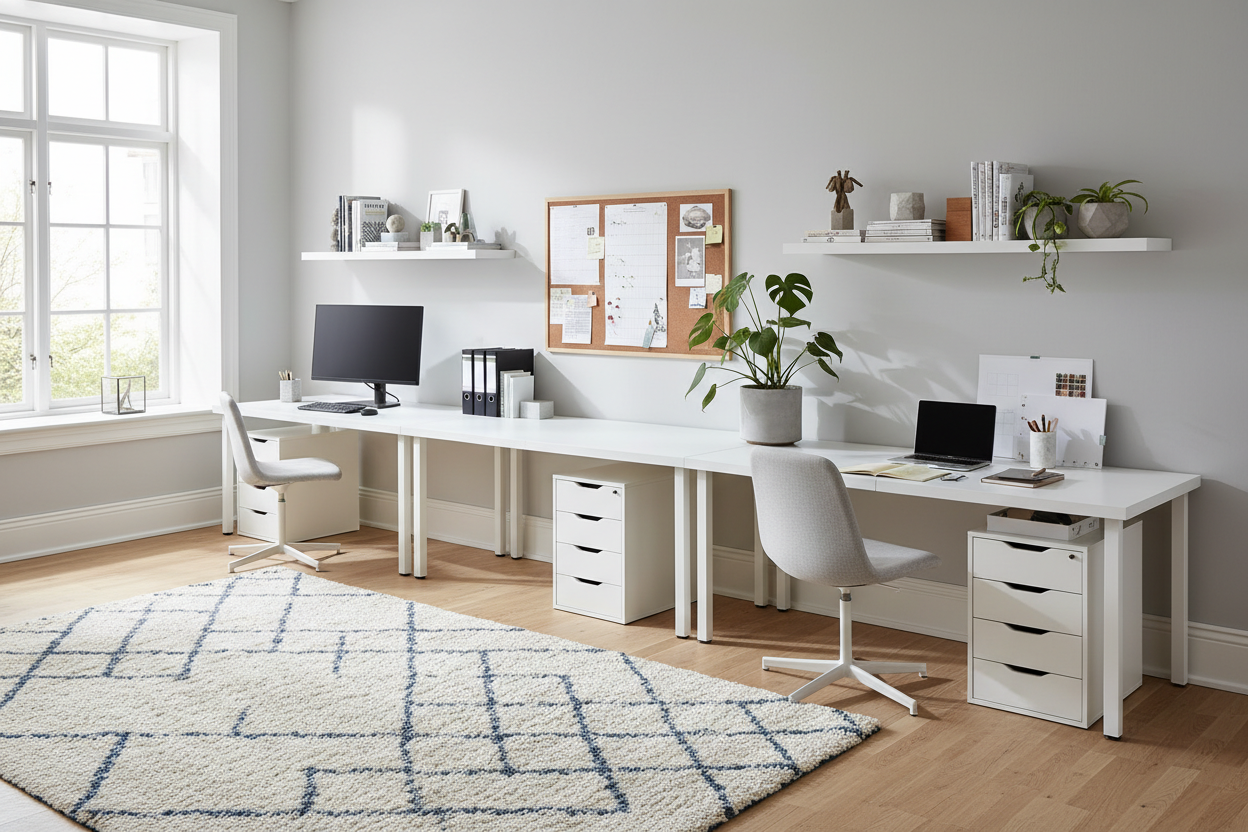
When browsing home office nook ideas, you will quickly notice that bulky executive desks never work in tight quarters. You need a piece with a light visual footprint. A floating desk in nook setups keeps the floor visible, making the room feel larger and less cramped. If you prefer freestanding furniture, look for a small desk nook with tapered mid-century legs or transparent acrylic materials. A minimalist nook desk prevents the workspace from dominating the room's aesthetic.
Smart Storage Solutions
A tiny office nook demands vertical thinking. Desk nook ideas that rely solely on the desktop for storage will quickly look messy. Install floating shelves above the desk to keep everyday items accessible without eating up your work surface. Use woven baskets or sleek leather boxes on these shelves to hide chargers, pens, and loose papers.
The Ergonomics of Small Spaces
Seating That Actually Works
One of the most common mistakes I see in small office nook ideas on social media involves pushing a rigid, backless stool or a hard dining chair up to a beautiful custom built-in. Your spine will hate you for this. Even in a small space, prioritize ergonomics. If a traditional rolling office chair ruins your carefully curated office nook design, look for an upholstered dining armchair with a curved back, a swivel base, and enough seat depth to support your thighs. Add a firm lumbar pillow to bridge the gap between style and comfort.
Designer's Honest Take
Over the last 15 years, I have designed dozens of these micro-workspaces. Early in my career, I converted a standard bi-fold closet into a highly requested nook office. It looked incredible on installation day—custom walnut veneer desktop, brass sconces, and moody dark green paint. But I learned a hard lesson about ventilation and wire management.
Because it was essentially a closed box, my client's high-powered desktop computer turned the closet into a sauna within an hour. Plus, dragging an extension cord across the baseboards completely ruined the high-end look we had worked so hard to achieve. Now, I refuse to finalize any home office nook without mapping out dedicated electrical outlets, drilling proper grommet holes for cord management, and ensuring adequate airflow for both the client and their electronics.
Frequently Asked Questions
How deep should a desk nook be?
A standard desk should be at least 18 to 20 inches deep to accommodate a laptop and a notebook comfortably. If you use external dual monitors, aim for a depth of 24 inches so the screens are not positioned too close to your eyes.
How do I hide my computer in a home office nook?
For a seamless look, use a desk with a built-in keyboard tray or a slim pull-out drawer for your laptop. If you have a large desktop tower, build a ventilated lower cabinet into your design to keep the hardware completely out of sight while maintaining airflow.
What are the best colors for a working nook?
If you want the workspace to blend in, paint it the exact same color as the surrounding walls. If you want it to feel like its own distinct architectural zone, try a bold color block—like a deep navy or charcoal—to create a sense of depth and separation from the main room.

Leave a comment
This site is protected by hCaptcha and the hCaptcha Privacy Policy and Terms of Service apply.