










I spent my entire twenties in a cycle of 'disposable' decorating. I’d buy a flat-pack dresser, spend four hours cursing at an Allen wrench, and then watch the thing literally disintegrate during my next apartment move. After the third time I had to use wood glue and duct tape to keep a drawer on its tracks, I hit peak fast-furniture fatigue. I was tired of living in a home that felt like it was made of cardboard and prayers.
The realization hit me when I finally splurged on a piece that didn't come in a flat box. I realized that saving up for one or two high end storage cabinets wasn't just a vanity move—it was actually cheaper in the long run. When you stop replacing your furniture every 24 months, the math starts to favor the investment piece. But you have to know what you're actually paying for so you don't get fleeced by a high price tag on a mediocre build.
The Quick Takeaways
- Weight is your best friend; if you can lift the cabinet alone, it’s probably not solid wood.
- Look for 'soft-close' hardware and metal slides rather than plastic rollers.
- Check the back panel—it should be finished wood or thick plywood, not flimsy MDF.
- High-end finishes feel cool to the touch and won't peel if you set a glass of water down.
I Finally Hit Peak 'Fast Furniture' Fatigue
We’ve all been there. You see a cabinet online that looks stunning in a filtered photo. It arrives, you spend a Saturday afternoon sweating over a 40-step instruction manual, and by Sunday, the doors are already sagging. It’s a frustrating cycle. For years, I justified it by saying I couldn't afford 'real' furniture. But the truth is, I was spending more money over time replacing wobbly, cheap cabinets than I would have spent on one luxury storage cabinet that lasts thirty years.
The shift happened when I moved into a place with 9-foot ceilings and my budget furniture looked like dollhouse accessories. It didn't just look cheap; it felt temporary. I decided then that I was done with furniture that couldn't survive a single U-Haul trip. I started looking for pieces with real joinery and substantial materials. The difference in how a room feels when it’s anchored by something with actual mass is hard to describe until you experience it.
Detail #1: The 'Thud' Factor (And Real Wood Backs)
The first thing I do when I’m vetting a piece of furniture is give it a 'nudge' test. If it moves or rattles when I push it, I walk away. High-end storage cabinets have what I call the 'thud' factor. They are heavy, grounded, and use materials like kiln-dried oak or walnut. When you close a door, it should sound like a vault, not a tin can. This weight usually comes from solid wood frames and, crucially, a solid wood back.
Budget cabinets almost always hide their biggest flaw in the back. They use a 1/8-inch piece of printed cardboard that you’re supposed to nail into the frame. It’s the first thing to warp and the reason the whole cabinet eventually starts to lean. When you browse our favorite storage cabinets, you’ll notice they use thick plywood or solid wood backings. This isn't just for looks; it provides the structural integrity that keeps the piece square for decades. If you see dovetail joinery in the drawers—where the wood pieces interlock like teeth—you know you're looking at something built by a craftsman, not a machine in a factory that prioritizes speed over strength.
Detail #2: Hardware That Doesn't Rattle
You interact with your storage every single day. If every time you grab a snack or a clean towel you have to fight a sticky drawer, it adds a micro-stress to your life. Cheap furniture uses plastic rollers or thin, stamped-metal tracks that screech. A high-end piece uses heavy-gauge, ball-bearing metal slides that feel like they’re floating on air. I recently tested a sideboard cabinet with metal slides, and the difference is night and day. It’s silent, smooth, and handles weight without bowing.
Then there are the hinges. Luxury cabinets feature soft-close hinges that prevent that annoying 'bang' when a door shuts. But it’s also about the tactile feel of the pulls and knobs. Solid brass or cast iron has a temperature and a weight that zinc or plastic-painted-to-look-like-metal just can't replicate. It’s a small detail, but it’s the difference between a cabinet that feels like a prop and one that feels like a permanent part of your home architecture.
Detail #3: Finishes That Survive a Sweaty Water Glass
The biggest giveaway of cheap furniture is the 'paper veneer.' This is essentially a giant sticker printed with a wood grain pattern. The moment any moisture hits it, or if you accidentally bump it with a vacuum, it peels or bubbles. Once that happens, the piece is ruined. You can't sand it, you can't stain it, and you certainly can't fix it. High-end storage uses real wood veneers or thick, multi-layered lacquers that are cured to a rock-hard finish.
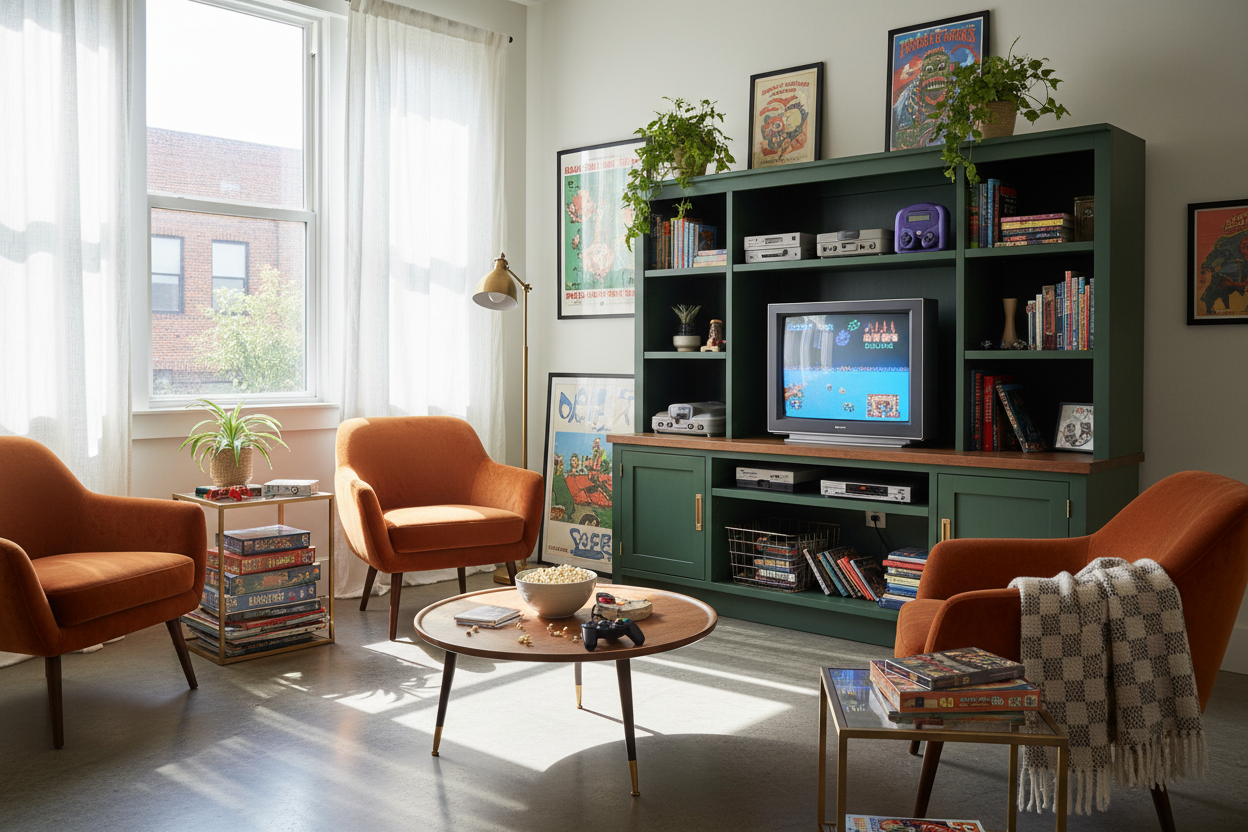
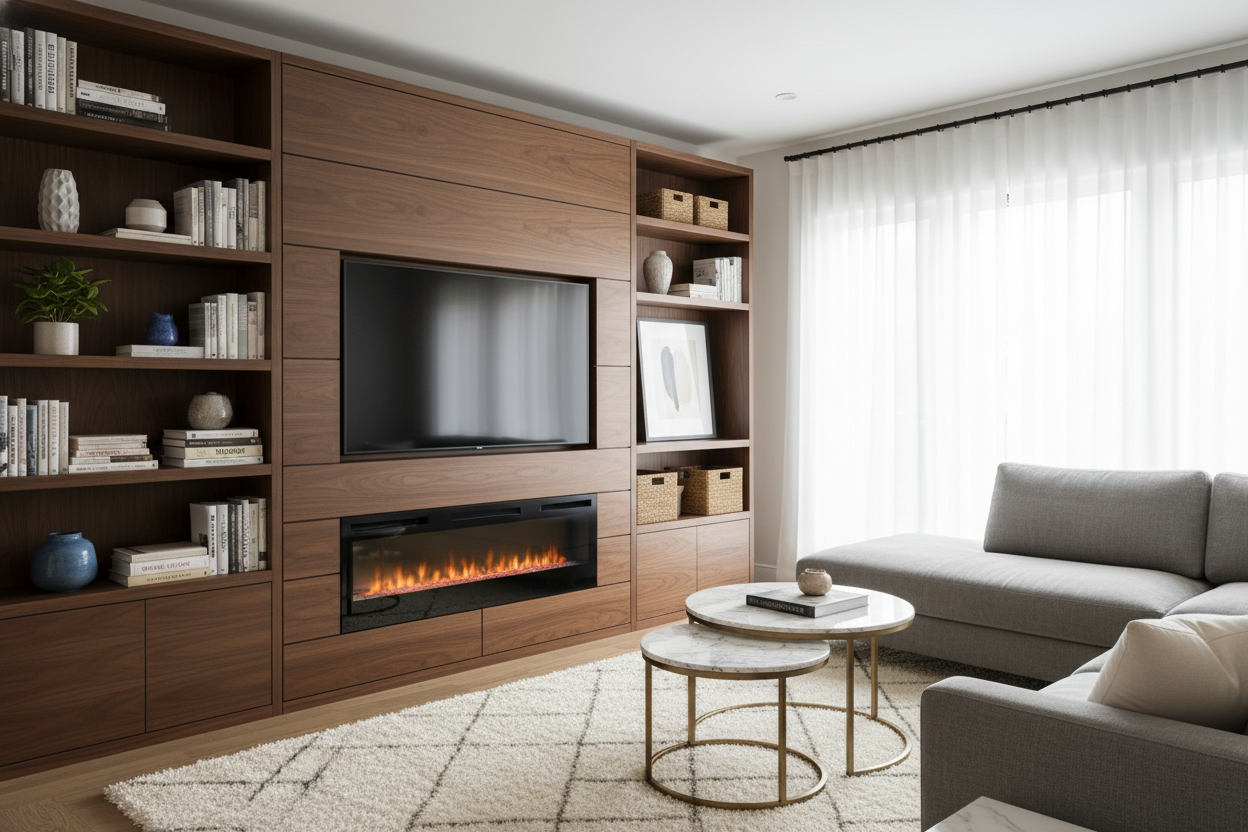
When you style a dark wood storage cabinet, you want that depth of grain that only comes from real timber. A high-quality finish allows the wood to age and develop a patina over time. I’ve had high-end pieces that have survived spilled wine, humid summers, and the general chaos of life, and they still look better than the day I bought them. Cheap finishes chip; expensive finishes endure.
Detail #4: Proportions That Command a Room
Scale is the silent killer of interior design. Most budget-friendly cabinets are slightly undersized to save on shipping costs. They end up looking squat and awkward against a standard wall. A tall storage display cabinet should actually be tall—reaching toward the 84-inch or even 90-inch mark to draw the eye upward. High-end designers understand architectural proportions. They don't just build a box; they build a piece that complements the height of your ceilings and the width of your hallways.
When a piece has the right scale, it doesn't just store your stuff; it anchors the room. It feels intentional. I once bought a 'large' cabinet from a big-box store that looked great in the catalog, but when it arrived, it looked like a child's toy in my living room. I learned my lesson: always check the height and depth. Luxury pieces tend to have a deeper footprint, which gives you more actual storage space while looking more substantial and 'built-in.'
The Verdict: When to Save and When to Splurge
I’m not saying you need to spend $5,000 on every single piece of furniture in your house. That’s not realistic for most of us. My rule of thumb is to look at the 'high-traffic' areas. Your living room sideboard, your primary bedroom dresser, and your entryway cabinet—the pieces you see and touch every day—are the ones where you should splurge. These are the workhorses of your home.
Save the budget-friendly stuff for the guest room closet or the laundry room where nobody is looking at the joinery. But for your main living spaces, a high-end cabinet is an investment in your daily sanity. There is a profound psychological difference between living in a house that feels 'assembled' and one that feels 'crafted.' Trust me, once you go solid wood, you’ll never want to go back to the Allen wrench life.
FAQ
Is solid wood always better than MDF?
For the frame and doors, yes. However, high-end furniture often uses high-density MDF for flat panels (like the top of a painted cabinet) because it won't expand and contract like solid wood, which prevents the paint from cracking. The key is the quality of the MDF and the thickness of the veneer over it.
How can I tell if hardware is high quality?
Give it a tug. If the drawer has side-to-side wiggle when it's extended, the slides are cheap. If it pulls out smoothly and stays level even when loaded with heavy items, it’s high-quality hardware.
Are high-end cabinets delivered assembled?
Usually, yes. One of the perks of buying luxury is that the piece is built in a factory with professional clamps and glues, not in your living room. It arrives as a single, solid unit, which is much stronger than anything you can put together yourself.

Leave a comment
This site is protected by hCaptcha and the hCaptcha Privacy Policy and Terms of Service apply.