










I remember staring at my first 'adult' bookshelf—a standard 11-inch deep unit—and realizing my favorite board games were sticking out like a sore thumb. It is the classic urban apartment trap: you buy furniture for the life you think you have (reading thin paperbacks) rather than the life you actually live (hoarding oversized art books and tech). That is why I finally ditched the flimsy bookcases for a 16-inch deep storage cabinet.
- 12-inch shelves are for books only; 16-inch shelves are for real life.
- Avoid 20-inch sideboards in narrow rooms—they kill the walking path.
- 16 inches fits vinyl records with room to spare for the doors to actually close.
- Closed storage beats open shelving for hiding the visual noise of modern clutter.
The 12-Inch Bookshelf Delusion
The furniture industry has been gaslighting us for decades with the 12-inch depth standard. Sure, it is fine if your entire library consists of mass-market paperbacks from the airport. But the moment you try to store a modern board game, a laptop bag, or a heavy-duty ring binder, you are stuck with two inches of overhang that looks cluttered and cheap.
I have spent too many years trying to make shallow shelves work. They are unstable, they look spindly in a room with high ceilings, and they offer zero versatility. If it cannot hold a standard storage bin from Target without the bin peeking out, it is not a storage solution—it is a decorative liability. We need depth to hide the chaos of a lived-in home.
Why Sideboards Are Traffic-Flow Killers
On the flip side, people often overcorrect by buying massive dining buffets or media consoles that are 20 to 24 inches deep. In a standard 10-foot wide living room, that extra half-foot of furniture is a death sentence for your layout. It turns a comfortable walkway into a shimmy-zone where you are constantly bumping your hip against a corner.
Deep furniture also creates a 'black hole' effect. I have seen people buy a short cabinet with drawers instead because they realized that once a cabinet gets too deep, items in the back are essentially lost to time. You want enough depth to fit your gear, but not so much that you need a flashlight to find your blender.
The Goldilocks Zone: A Storage Cabinet 16 Inches Deep
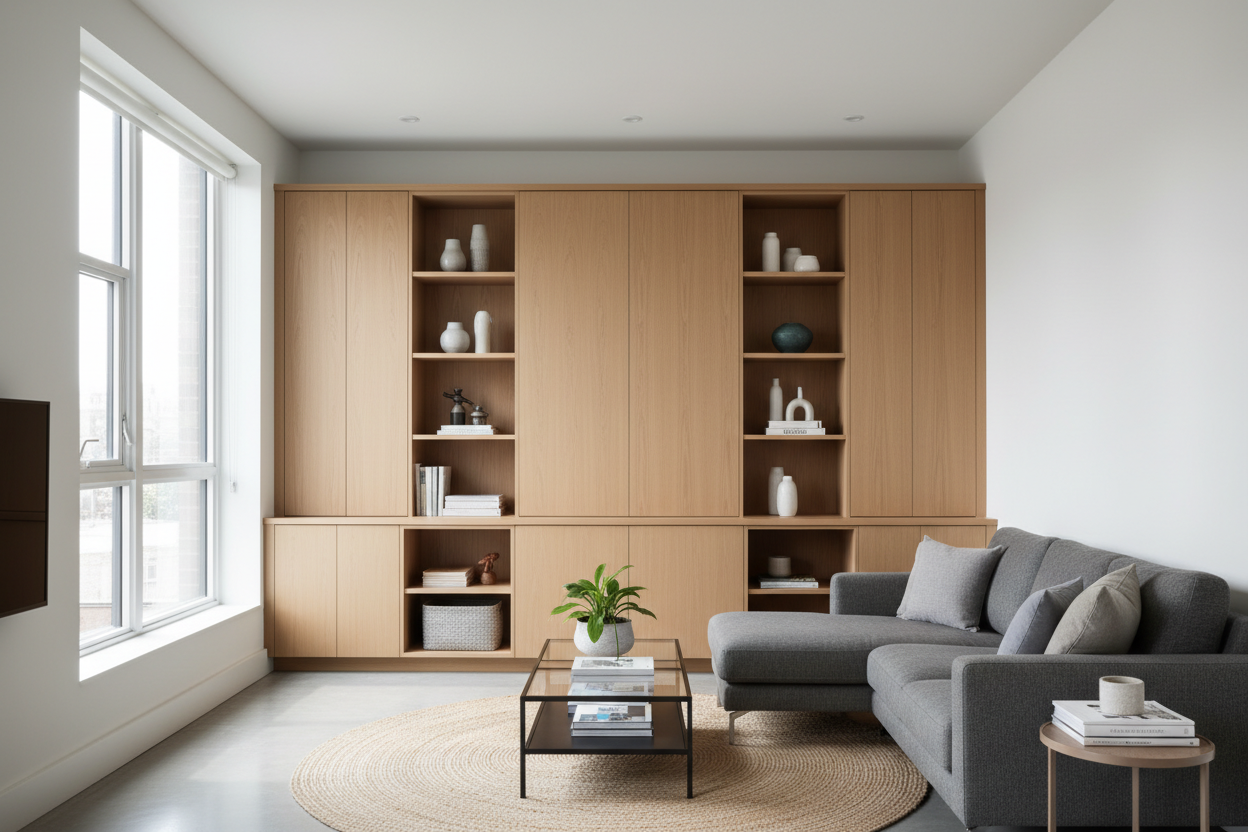
The 16-inch mark is the secret weapon of interior design. It is the 'Goldilocks' measurement. At this depth, the cabinet is still slim enough to sit against a wall in a hallway without choking the space, yet it is deep enough to swallow almost everything that makes a house look messy.
When you opt for a storage cabinet 16 inches deep, you are gaining nearly 30% more usable volume than a standard bookshelf without significantly increasing the footprint. It feels substantial and custom-built. It is the difference between a piece of furniture that feels like a temporary fix and one that feels like a permanent architectural feature of the room.
What Actually Fits Inside This Specific Footprint?
Let's talk about the math of your stuff. Most people do not realize that the most annoying items to store all share a common dimension. A 16-inch interior depth is the magic number for utility. I have used these cabinets to hide everything from bulky gaming consoles to winter boots, and they never fail to close flush.
Vinyl Records and Oversized Art Books
If you are a vinyl collector, 16 inches is non-negotiable. A record sleeve is roughly 12.5 inches. In a 12-inch shelf, they stick out. In a 16-inch cabinet, you have room for the records, the cables behind your player, and the doors can actually swing shut. It protects your collection from dust and keeps the room looking clean. The same goes for those massive 'coffee table' books that usually end up stacked on the floor because they are too deep for a Billy bookcase.
The 'Awkward Kitchen Overflow' Stash
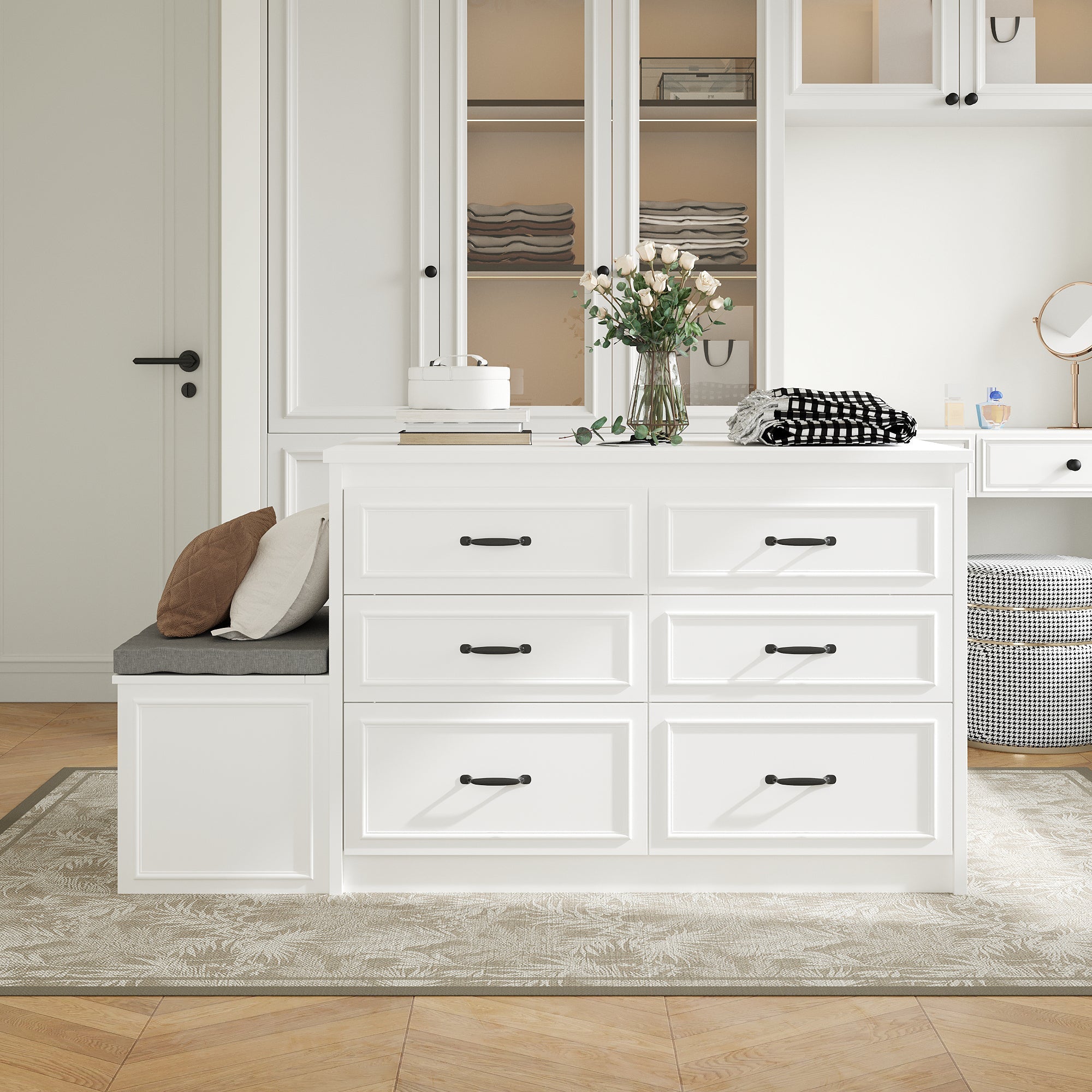
My kitchen cabinets are a disaster zone, mostly because standard uppers are only 12 inches deep. My stand mixer and my oversized holiday platters never stood a chance. Moving that overflow to a 16-inch cabinet in the dining area was a life-saver. If you want to keep the vibe sophisticated, a black cabinet with glass doors lets you display your nice glassware up top while hiding the ugly cereal boxes and the Crock-Pot behind solid doors on the bottom.
Where to Put Them (Without Ruining Your Layout)
The best part about this depth is its versatility in 'dead zones.' I love placing these in wide hallways or behind a sofa that isn't pushed against a wall. It creates a functional 'landing zone' for the house. You can even pair a standalone cabinet with an entryway storage bench with cabinet to create a cohesive mudroom feel in a tiny apartment entryway.
Personal Experience: My 5-Inch Mistake
I once bought a gorgeous mid-century sideboard for my hallway that was 21 inches deep. I loved the look, but I hated living with it. Every time I carried groceries past it, I had to turn sideways. I eventually swapped it for a 16-inch metal locker cabinet. Those 5 inches of recovered floor space made the hallway feel twice as wide. I didn't lose any storage capacity because the 16-inch depth was more efficient for the bins I was actually using.
FAQ
Is 16 inches deep enough for a printer?
Yes. Most home office printers and 'all-in-ones' are between 14 and 15 inches deep. A 16-inch cabinet allows you to keep the printer tucked away with the cords hidden behind it.
Will a 16-inch cabinet tip over easily?
Because they are deeper than bookshelves, they are naturally more stable, but you should still anchor them to the wall. Any piece of furniture with doors and heavy items inside is a tipping hazard if children are around.
Can I use this for a shoe cabinet?
Absolutely. A 16-inch depth allows even a men's size 13 shoe to sit straight-in on the shelf. You won't have to angle them sideways like you do in those ultra-slim IKEA shoe flip-bins.


Leave a comment
This site is protected by hCaptcha and the hCaptcha Privacy Policy and Terms of Service apply.