










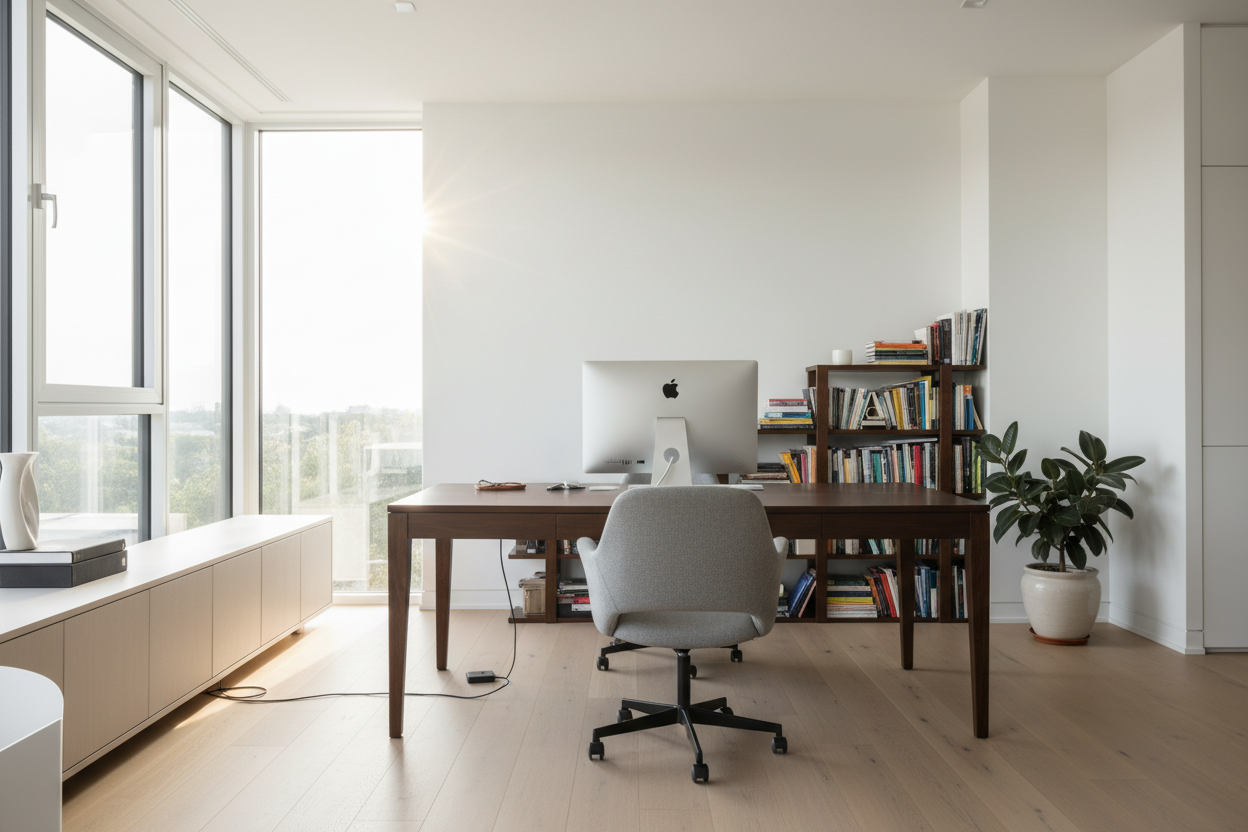
We have all been there: trying to be productive while perched on a dining chair that was never designed for an eight-hour workday. The transition from corporate spaces to residential settings has blurred the lines of design, but curating the right furniture home office setup requires more than just finding a table that fits in the corner. It is about balancing ergonomic necessity with the residential aesthetic of your sanctuary.
Key Features to Look For
Before investing in new pieces, consider these critical factors to ensure your workspace is both functional and enduring. This checklist effectively separates investment-grade items from fast-furniture disposables:
- Ergonomics & Adjustability: Look for seating with lumbar support and desks that accommodate your seated elbow height (typically 28-30 inches).
- Material Integrity: Prioritize solid hardwoods or high-grade veneers over particle board to prevent sagging under the weight of monitors.
- Scale & Proportion: Ensure home office furnishings allow for at least 36 inches of clearance behind the desk for chair movement.
- Cable Management: superior office furniture for home use will have integrated grommets or channels to hide unsightly tech clutter.
Curating the Desk: The Anchor Piece
The desk is the focal point of your study furniture. When selecting home desks furniture, move beyond simple dimensions. Consider the surface texture. While a reclaimed wood desk offers a rustic, textured aesthetic, it can be a nightmare for writing notes without a blotter. For a sophisticated, modern look, tempered glass or polished walnut offers a smooth writing surface, though glass can feel cold to the touch during winter months.
Visual Weight and Balance
In smaller rooms, a heavy, double-pedestal executive desk can make the space feel claustrophobic. Instead, opt for a writing desk with slender legs or a floating wall unit. This reduces the visual weight, making the office room furniture feel integrated rather than imposed.
Seating: Where Comfort Meets Style
Finding good home office furniture often means compromising between the look of a lounge chair and the function of a task chair. Avoid the "dining chair trap." A rigid timber back looks lovely in a photo but wreaks havoc on your spine.
Look for "active seating" or high-end task chairs that offer customizable tension and tilt lock but come upholstered in residential fabrics—like performance linen or velvet—rather than standard corporate mesh. This bridges the gap between home to office furniture, keeping the room feeling warm and inviting.
Storage: The Art of Concealment
Nice home office furniture is easily ruined by clutter. Open shelving is excellent for displaying curated objects and books, but closed cabinetry is essential for paperwork and printers. A credenza placed behind your desk creates a professional backdrop for video calls while hiding the functional mess of daily work.
My Personal Take on furniture home office
I learned a hard lesson early in my career regarding finish durability. I once specified a stunning, matte-black laminate desk for a client who wanted a sleek, minimalist look. It photographed beautifully on installation day. However, three months later, I visited the site and saw the reality: finger oils had created permanent, shiny patches where their wrists rested, and the edge banding was beginning to peel from friction.
Since then, I always advise clients to touch the furniture before buying. If you run your fingernail lightly across a surface and it leaves a mark, or if the finish feels "sticky," walk away. Real life is messy; your workspace needs to withstand coffee rings and constant friction. I now lean heavily toward solid wood with a catalyzed lacquer finish or high-pressure laminates (HPL) for high-traffic surfaces. It might cost 20% more upfront, but it won't look trashy in a year.
Frequently Asked Questions
What is the ideal depth for a home office desk?
For standard computer work, a depth of 24 to 30 inches is ideal. This provides enough distance between your eyes and the monitor to reduce strain while leaving room for a keyboard and notepad.
How do I mix office furniture with my living room decor?
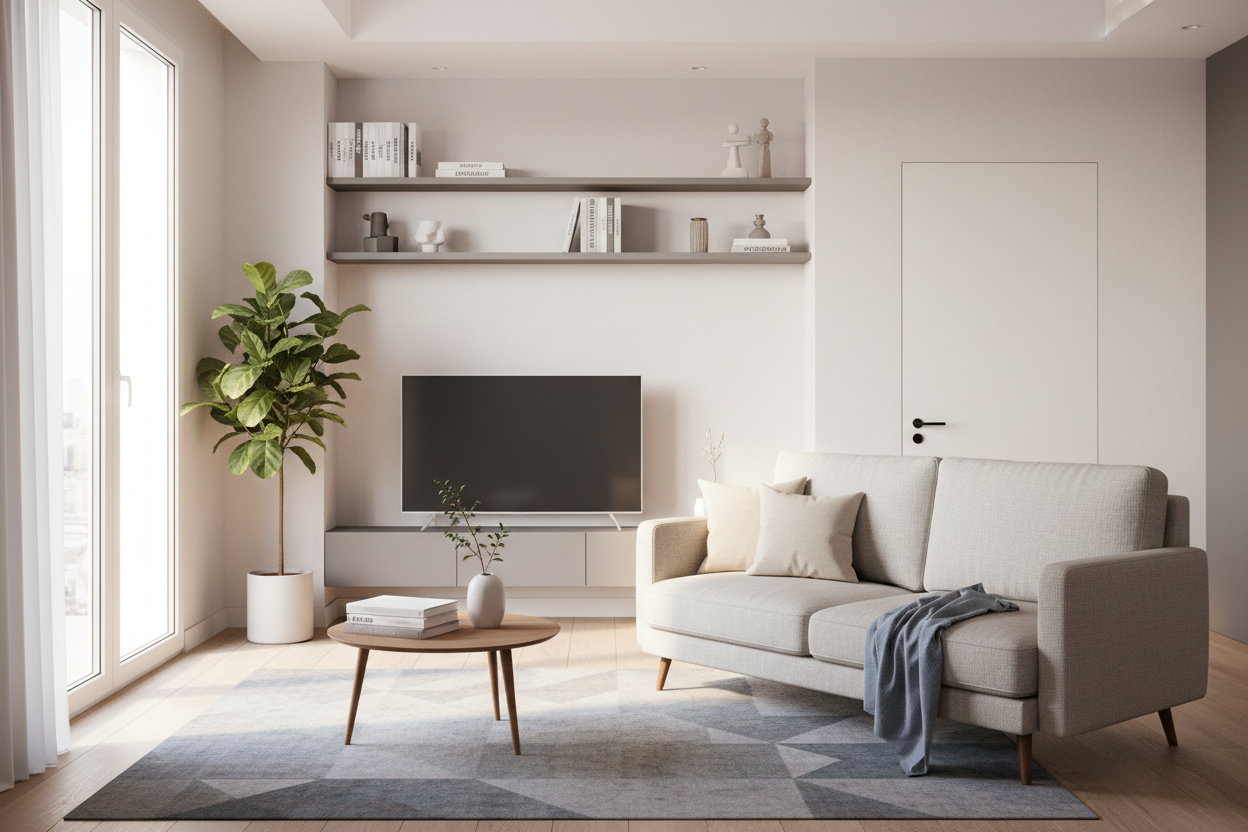
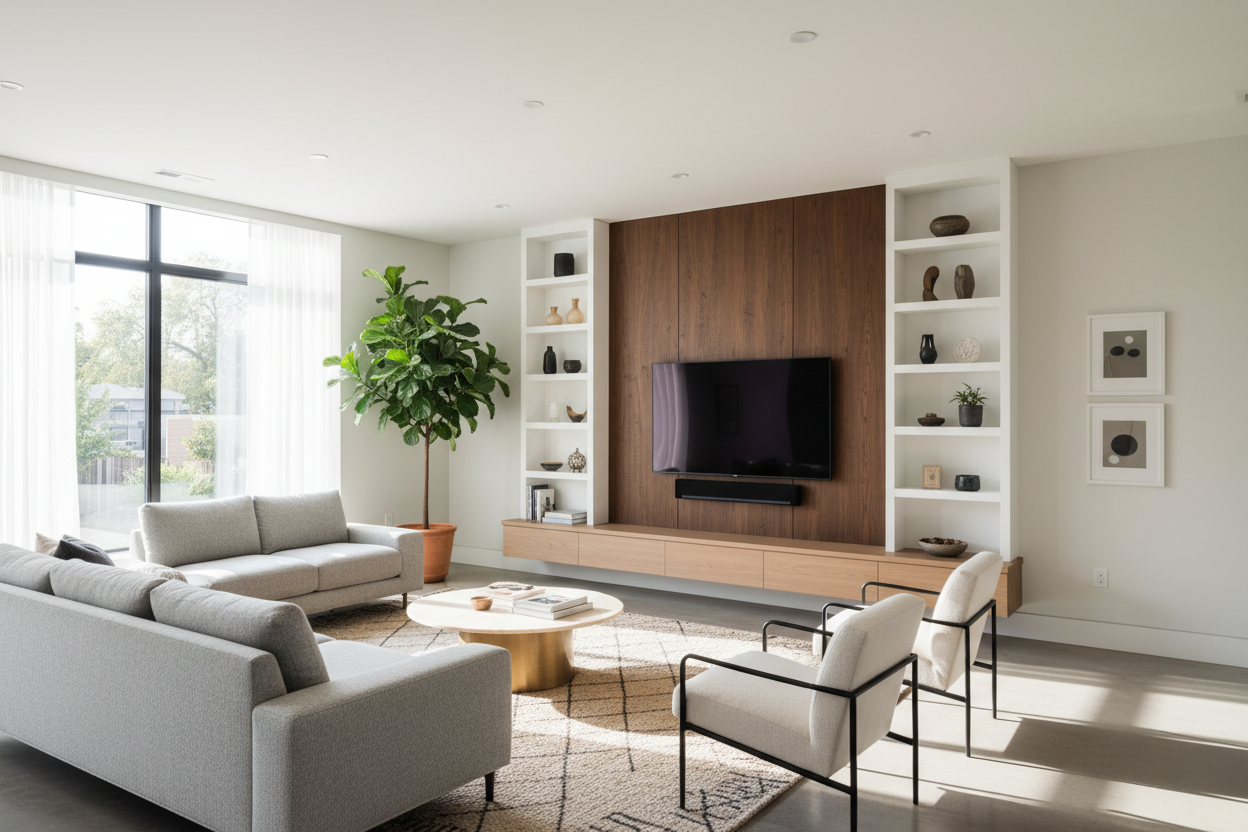
To integrate a workspace into a living area, choose a desk that mimics the materials of your existing furniture (e.g., matching the wood stain of your coffee table). Use a chair that complements your sofa's upholstery rather than a black plastic task chair.
Is a standing desk worth the investment?
Absolutely. A sit-stand mechanism is one of the best investments for long-term health. If the industrial look of adjustable legs clashes with your decor, look for models that conceal the mechanism within a traditional wood shell.

Leave a comment
This site is protected by hCaptcha and the hCaptcha Privacy Policy and Terms of Service apply.