










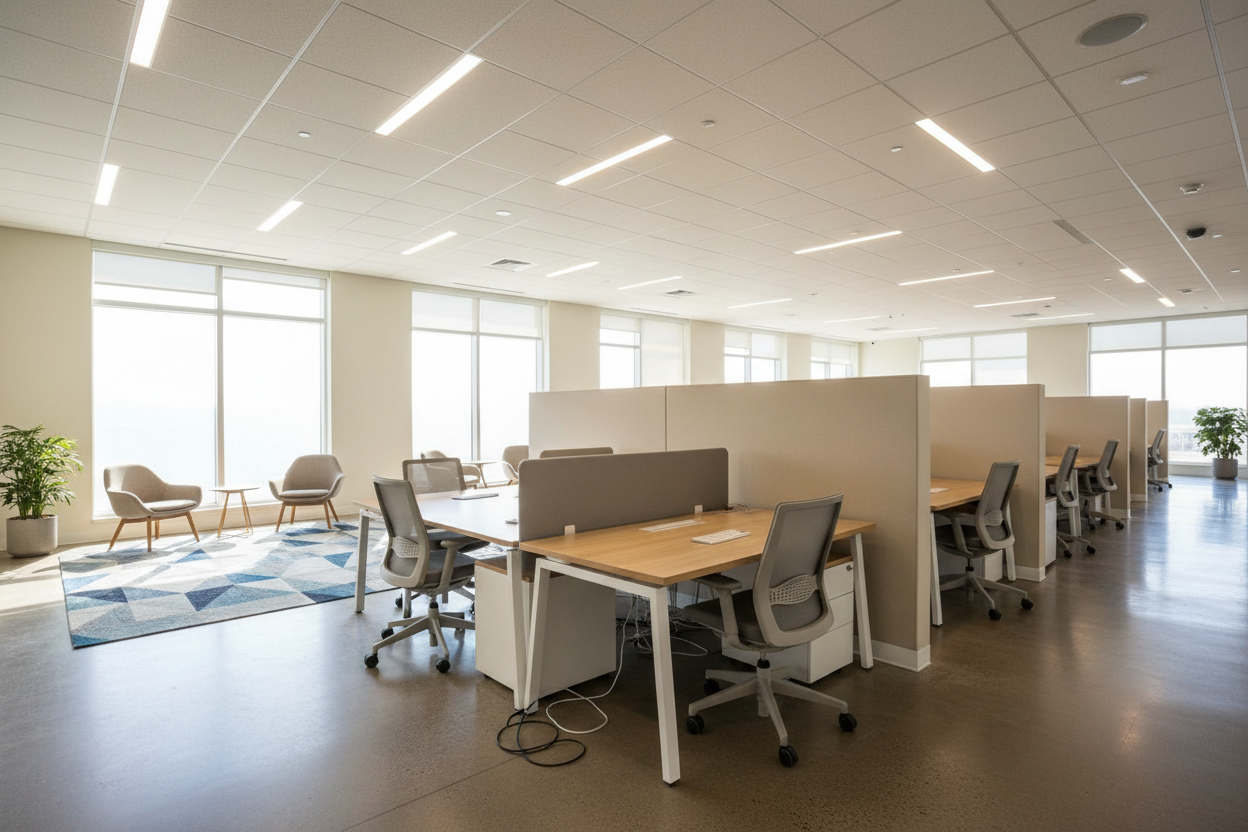
We often underestimate how heavily our physical environment dictates our cognitive load. You might have invested in a high-end chair or a solid walnut desk, but if the flow of the room fights against your natural movement, productivity stalls. Designing a cohesive office space work environment isn't just about selecting beautiful furniture; it is about orchestrating how light, texture, and ergonomics interact to support your professional life. Whether you are retrofitting a corporate corner or curating a home study, the goal is a balance of ergonomic integrity and visual calm.
Key Features to Look For
- Ergonomic Certification: Ensure seating is rated for 8+ hours of use with adjustable lumbar support and seat depth.
- Lighting Layers: Combine ambient overhead lighting with focused task lighting (4000K temperature is ideal for focus).
- Surface Durability: Opt for high-pressure laminate or sealed hardwoods that resist heat rings and scratches.
- Acoustic Control: Incorporate soft furnishings (rugs, curtains) to dampen echo and reduce distraction.
- Spatial Flow: Maintain at least 36-48 inches of clearance behind your desk for chair movement.
Zoning Your Office Work Area
One of the most effective strategies in interior design is zoning, specifically when dealing with a multifunctional office work area. If your square footage allows, move the desk away from the wall. Facing a wall creates a "time-out" feeling that can stifle creativity. Instead, position your desk to face the room or a window (perpendicularly to avoid glare).
The "Power Position"
In design psychology, the "command position" involves having a clear view of the door without being directly in line with it. This reduces subconscious anxiety. If you are working with a compact footprint, use a console table or a low bookshelf to visually separate the working zone from the rest of the room. This physical barrier helps mentally separate "work mode" from "relaxation mode."
Materiality and Visual Weight
The materials you choose dictate the longevity and the "temperature" of the room. For a luxury aesthetic, I often steer clients toward natural materials that patina over time.
Solid Wood vs. Veneer
While solid wood offers prestige, high-quality wood veneers are often more stable in environments with fluctuating humidity. Look for "book-matched" veneers where the grain mirrors itself—it adds a level of sophistication that elevates the entire space at work. Conversely, avoid cheap thermofoil finishes; they tend to peel at the edges within a few years and lack the tactile warmth necessary for a space where you spend eight hours a day.
Lighting: The Invisible Architecture
Lighting is the unsung hero of spatial design. Relying solely on overhead recessed cans creates harsh shadows that strain the eyes. You need to layer your lighting. Start with a warm ambient light, then add a dedicated task lamp with an articulating arm. The finish of the lamp matters, too; a brushed brass or matte black fixture can serve as a sculptural focal point, adding character to the desk surface without cluttering it.
My Personal Take on Office Space Work
I learned a hard lesson early in my career regarding the "minimalist glass desk" trend. I specified a stunning, architectural glass desk for a client who wanted a light, airy look. It photographed beautifully.
However, three months later, the client called me back. The issue wasn't the look; it was the tactile experience and maintenance. Glass is cold on the wrists, which becomes uncomfortable after an hour of typing. Furthermore, the optical mouse didn't track well without a pad (ruining the clean look), and every single fingerprint or coffee cup ring was visible. It turned into a maintenance nightmare. Now, whenever I design an office space work layout, I insist on materials that feel good to the touch—leathers, warm woods, or soft-touch laminates. Comfort must always precede the "Instagram moment."
Conclusion
Refining your workspace is an investment in your own efficiency and well-being. By prioritizing ergonomic flow, layering your lighting, and choosing materials that offer both durability and tactile warmth, you create a room that invites you to do your best work. Don't settle for a setup that just functions; build one that inspires.
Frequently Asked Questions
How do I make a small office space feel larger?
Utilize vertical storage to keep the floor clear. Choose furniture with exposed legs rather than solid bases; seeing the floor underneath furniture tricks the eye into perceiving more square footage. Mirrors can also double the visual depth of the room.
What is the best desk depth for productivity?
I recommend a minimum depth of 30 inches. This provides enough distance for your monitor to sit at arm's length (preventing eye strain) while leaving ample room for a keyboard, notebook, and task lighting.
Is a standing desk worth the aesthetic compromise?
Absolutely, but you don't have to compromise on style anymore. Look for standing desks with solid wood tops or integrated cable management systems that hide the motor mechanics. The health benefits of changing posture throughout the day outweigh the visual bulk.

Leave a comment
This site is protected by hCaptcha and the hCaptcha Privacy Policy and Terms of Service apply.