










In an era dominated by sleek glass and minimalist metal, there is a profound gravitation returning toward the substantial, grounding presence of a traditional desk. Many of my clients come to me with a common design dilemma: they want a workspace that commands respect and exudes permanence, yet they fear their home office will look like a museum exhibit rather than a functional room. The secret lies not just in buying an antique reproduction, but in understanding how scale, wood species, and craftsmanship dictate the feeling of the room.
Key Features to Look For
Before committing to a piece of furniture that often weighs over 200 pounds, use this checklist to ensure you are investing in quality rather than just a facade.
- Joinery: Look for dovetail joints in the drawers. Staples or glue alone indicate mass-market quality that won't last.
- Material Integrity: Distinguish between solid wood, high-grade wood veneer (acceptable for preventing warping), and printed laminate (avoid).
- Hardware: Authentic brass or bronze pulls that develop a patina over time, rather than painted plastic.
- Suspension: Full-extension metal glides are preferred for functionality, though waxed wood-on-wood slides offer purist authenticity.
Choosing the Right Material and Finish
When selecting traditional office furniture, the conversation begins and ends with wood. The species you choose dictates the color palette of your entire room. Mahogany and Cherry are the stalwarts of the traditional executive desk; they offer deep, reddish-brown hues that warm up a space but require good lighting to prevent the room from feeling too heavy. Oak and Walnut offer lighter, more neutral grains that can bridge the gap between a classic wood desk and slightly more transitional decor.
Be wary of "photo-finish" surfaces. A true heirloom piece might use veneers, but they should be thick cuts of real wood applied over a stable substrate to prevent cracking—a common issue with classic desks in climate-controlled homes.
Navigating Styles: From Executive to Writing Desks
The Executive Presence
If you have the square footage, a double-pedestal traditional office desk is the gold standard. These pieces are designed to be "floated" in the room, meaning they look finished from all sides. This layout allows you to face the door (the command position), which is a staple of traditional executive office design. Ensure you have at least 48 inches of clearance behind the desk for your chair to move freely.
Small Space Solutions
Not every home has a library wing. For tighter quarters, look for small traditional desks such as a Secretary or a single-pedestal writing table. These classic home office desk options maintain the intricate molding and cabriole legs of their larger counterparts but possess a lighter visual weight. A traditional computer desk often includes a drop-front keyboard tray disguised as a drawer, blending modern utility with traditional style desk aesthetics.
Ergonomics and The Modern Workflow
One challenge with traditional office desks for home is that they were designed for pen and paper, not dual monitors. When styling a traditional desk with drawers, pay close attention to the kneehole width. Vintage and reproduction desks often have narrow openings that restrict movement for modern office chairs.
Furthermore, cable management is rarely built-in. To maintain the traditional home office furniture aesthetic without a nest of wires, I often recommend using leather cable ties and routing cords down the inside of a leg, away from the entryway view.
My Personal Take on Traditional Desks
I learned a hard lesson early in my career regarding the traditional wooden desk. I specified a stunning, high-gloss mahogany executive desk for a client's study. It was visually breathtaking. However, two weeks later, the client called me in frustration.
The issue wasn't the look; it was the usability. The high-gloss varnish, typical of formal traditional styles, was a nightmare for an optical mouse—the cursor would jump erratically because of the reflection. Furthermore, the client wore a metal watch band, and within a month, micro-scratches were appearing right where his wrist rested.
We solved it with a high-quality leather desk blotter, which I now consider mandatory for this style. It protects the finish and provides the necessary traction for modern tech. Also, a word of warning: these desks are beasts to move. I once had to hire a specialist team just to disassemble a pedestal desk to get it through a standard 30-inch doorway. Always measure your hallways, not just the room.
Conclusion
Investing in a traditional desk is a commitment to a slower, more thoughtful way of working. It anchors your room with history and craftsmanship that disposable furniture simply cannot replicate. By selecting the right wood tone and ensuring the scale fits your space, you create a workspace that isn't just for working, but for thinking.
Frequently Asked Questions
How do I protect the surface of a traditional wooden desk?
Use a leather or felt blotter for the primary work area. Coasters are non-negotiable for beverages. For dusting, avoid silicone-based sprays which can build up over time; use a slightly damp microfiber cloth followed by a dry one.
Can I fit a traditional desk in a modern room?
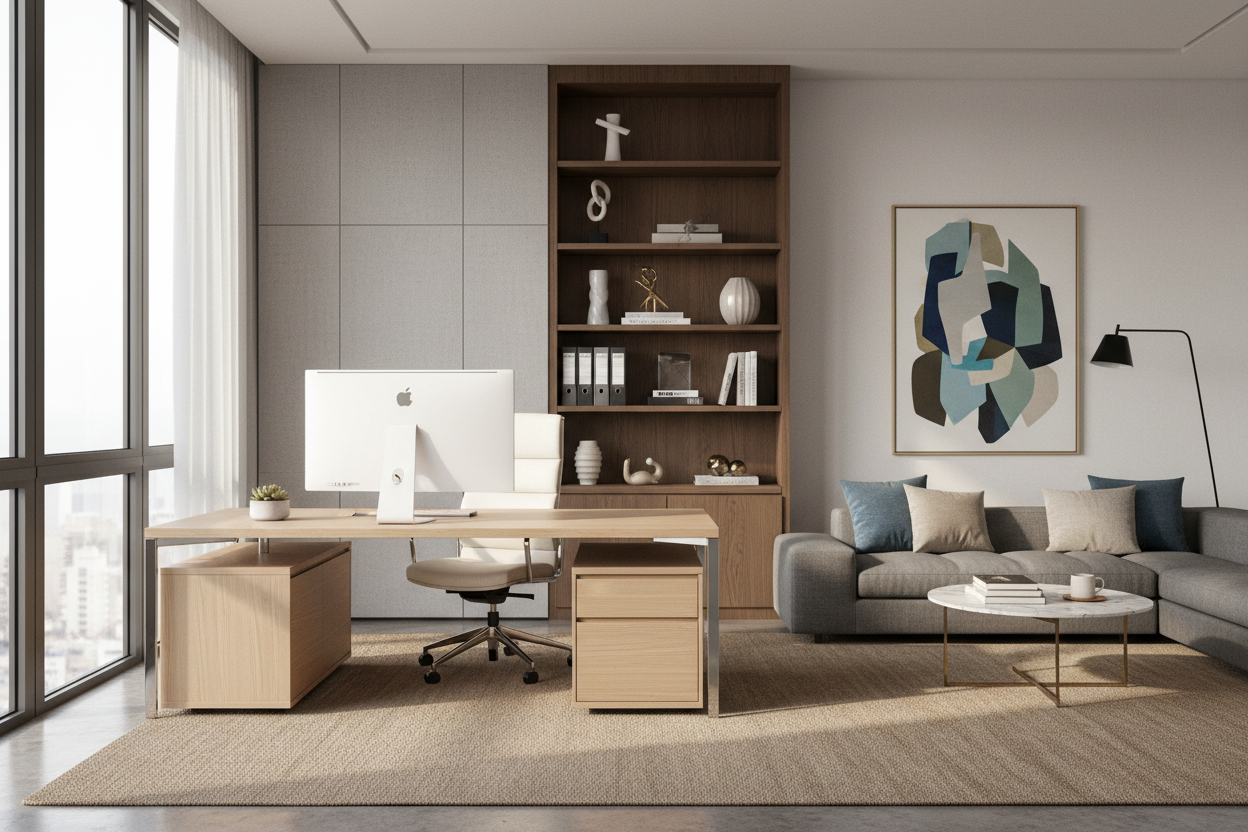
Absolutely. A classic office desk acts as a stunning focal point in a modern room. The key is contrast—pair the heavy, ornate desk with a lighter, more streamlined chair and modern lighting to keep the space from feeling dated.
Are traditional desks ergonomic?
Inherently, no. They are often fixed-height (usually 30 inches). To make a traditional home office desk ergonomic, invest in a highly adjustable chair and consider an articulating keyboard tray if the desk design allows for concealed installation.

Leave a comment
This site is protected by hCaptcha and the hCaptcha Privacy Policy and Terms of Service apply.