










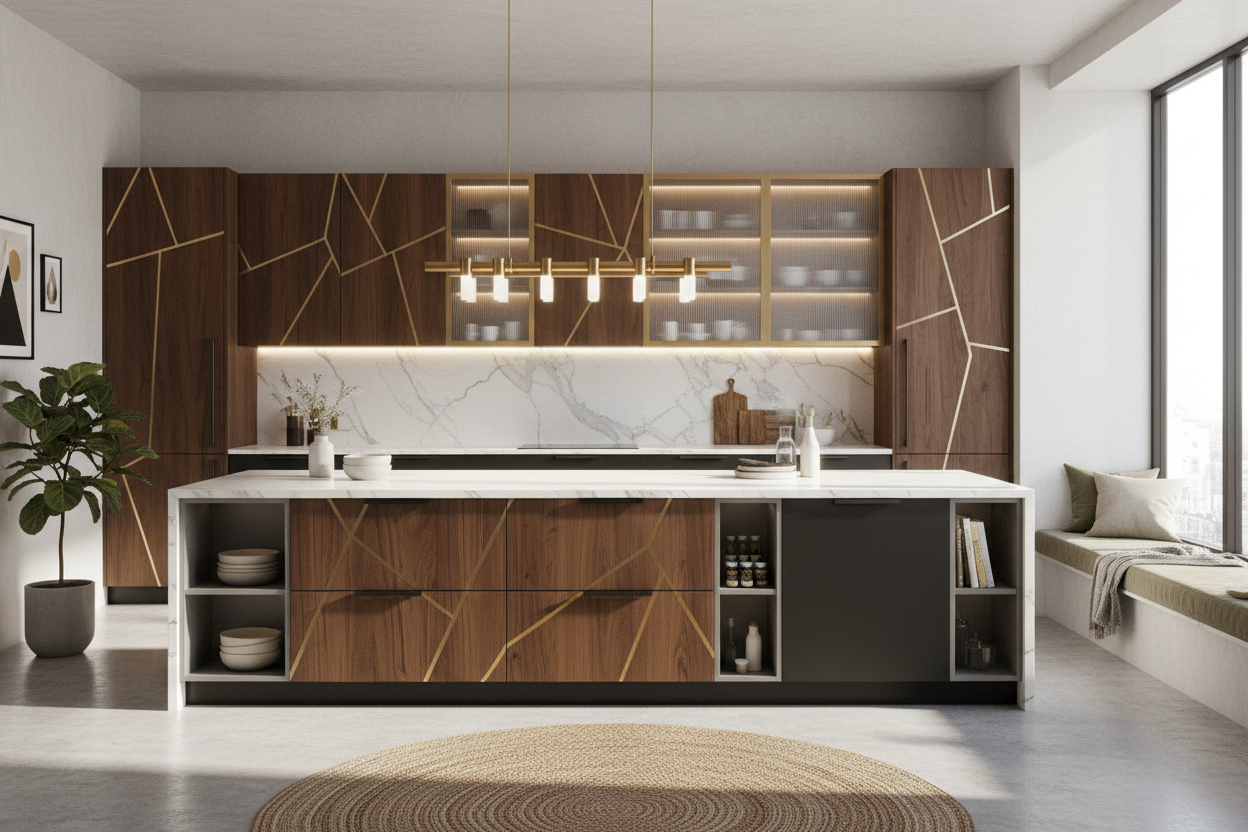
I remember walking into a client's kitchen last year—they'd just moved into a 1980s ranch house in Austin. The space had good bones: 12x16 layout, decent natural light. But the cabinets were builder-grade oak, the kind that makes everything feel dated before you even unpack. They wanted something distinctive, but they also worried about resale value. 'We don't want it to look like a Pinterest fail in five years,' they told me. That's the exact tension I've seen in over 200 homes: the desire for unique cabinets for kitchen spaces versus the fear of making a costly, regrettable choice.
Quick Takeaways
- Unique cabinets should solve a storage problem first, then make a visual statement.
- Balance bold fronts (like fluted wood or colored lacquer) with simple, functional interiors.
- Always maintain 42 inches of clearance between cabinets and islands for workflow.
- Consider mixing materials—like pairing a walnut island with painted perimeter cabinets.
Why Unique Kitchen Cabinets Are More Than Just a Trend
When I talk about unique cabinets, I'm not referring to whatever's trending on Instagram this month. I mean designs that genuinely enhance how you use your kitchen. The difference? A fad might be all-glass fronts that show every mismatched plate inside. A lasting unique choice could be cabinets with integrated charging stations in the toe-kick, or shallow-depth uppers (12 inches deep instead of standard 13) that create more counter space in a narrow galley kitchen.
I worked on a renovation in Portland where we used rift-cut white oak with a cerused finish—that subtle texture has held up beautifully for seven years now. The key is finding quality materials that age well. If you're exploring finding quality kitchen cabinets, focus on construction: dovetail joints, ¾-inch plywood boxes (not particleboard), and full-extension drawer slides that support at least 100 pounds.
Cool Kitchen Cabinet Ideas That Actually Function
Let's get specific. One of my favorite solutions for small kitchens is using tall kitchen cabinet ideas that go all the way to the ceiling—usually 96 inches in standard homes. This eliminates that awkward dust-collecting gap above standard cabinets. Inside, I'll install pull-down shelves for accessing items on the top shelf, which is especially helpful for clients under 5'5".
For corner spaces, which often become black holes for small appliances, consider an corner pantry cabinet set with rotating shelves. The 40-inch width fits most standard corner layouts, and the rotating mechanism means you can actually reach everything in the back. Another functional unique idea: appliance garages with tambour doors that roll up instead of swinging open—this saves precious inches in tight work zones.
The Designer's Checklist for Unique Cabinet Designs
Before you commit to any cool cabinet designs, run through this list. First, measure your workflow triangle—the distance between sink, refrigerator, and stove should total between 13 and 26 feet. Unique cabinets shouldn't disrupt this. Second, consider door swing: inset doors (where the door sits flush with the frame) look beautiful but require precise installation and can swell in humid climates. Overlay doors are more forgiving.
Third, think about hardware early. I've seen stunning slab-front cabinets ruined by poorly proportioned pulls. For modern designs, consider integrated finger pulls (a routed groove along the bottom edge). For traditional styles, bin pulls that measure about 4 inches work well on drawers up to 30 inches wide. Finally, test your color choices at different times of day. That bold navy might look perfect at noon but feel oppressive under evening LED lighting.
Balancing Bold Choices With Kitchen Harmony
Your unique cabinets don't exist in isolation. They need to work with your countertops, backsplash, and especially your kitchen island collections. I recently designed a kitchen where we used cerused oak on the island but kept the perimeter cabinets in a simple white lacquer. The contrast made the island feel special without overwhelming the space.
For open-concept homes, consider how your kitchen cabinets relate to adjacent living areas. A versatile storage cabinet that bridges the kitchen and dining room can create visual continuity. I often use the same wood species but different finishes—perhaps a matte finish in the kitchen and a satin in the living area. This creates connection without being too matchy-matchy.
Making Your Unique Kitchen Cabinets Worth the Investment
Here's the honest truth from two decades of renovations: the most successful unique cabinets solve a specific problem. Maybe it's creating a coffee station with built-in grinders and mug storage. Or designing a baking center with marble slab inserts at counter height for rolling dough. These functional unique features actually increase home value because they make daily life better.
I tell clients to allocate their budget wisely: spend on the areas you touch and see most. That might mean splurging on solid wood doors for the lower cabinets you open multiple times daily, while using less expensive materials for uppers that hold serving platters you use twice a year. And always, always keep the original cabinet boxes if they're structurally sound—you can reface with new doors and drawer fronts for about 60% of full replacement cost.
FAQ
How much more do unique cabinets cost compared to standard ones?
Expect a 20-40% premium for truly custom designs. Semi-custom lines (where you choose from existing door styles in custom sizes) typically run 10-25% more than stock cabinets.
What's the most common mistake with unique kitchen cabinets?
Forgetting about maintenance. Glass-front cabinets need constant organizing. Dark matte finishes show every fingerprint. Light wood with open grain (like ash) stains easily near the sink. Always consider how you'll actually live with the cabinets.
Can I mix different cabinet styles in one kitchen?
Absolutely, but follow the 70-20-10 rule: 70% should be your dominant style/color, 20% a complementary secondary style, and 10% an accent. For example, 70% white shaker cabinets, 20% open shelving in the same wood as your floors, 10% a brightly colored appliance garage.
How do unique cabinets affect resale value?
Well-executed unique cabinets that improve functionality typically add value. Highly personal or poorly executed designs can limit your buyer pool. Neutralize with easily changeable elements: use bold colors on lower cabinets that could be painted, but keep uppers neutral.


Leave a comment
This site is protected by hCaptcha and the hCaptcha Privacy Policy and Terms of Service apply.