










I remember my first farmers market like it was yesterday. I spent fourteen hours laminating dough for sourdough croissants, obsessing over every fold, only to show up and arrange them in those snap-lid plastic tubs from the grocery store. I looked like I was hosting a sad office potluck, not selling premium pastries. People walked right by my table because they couldn't see the lamination through the scratched, foggy plastic.
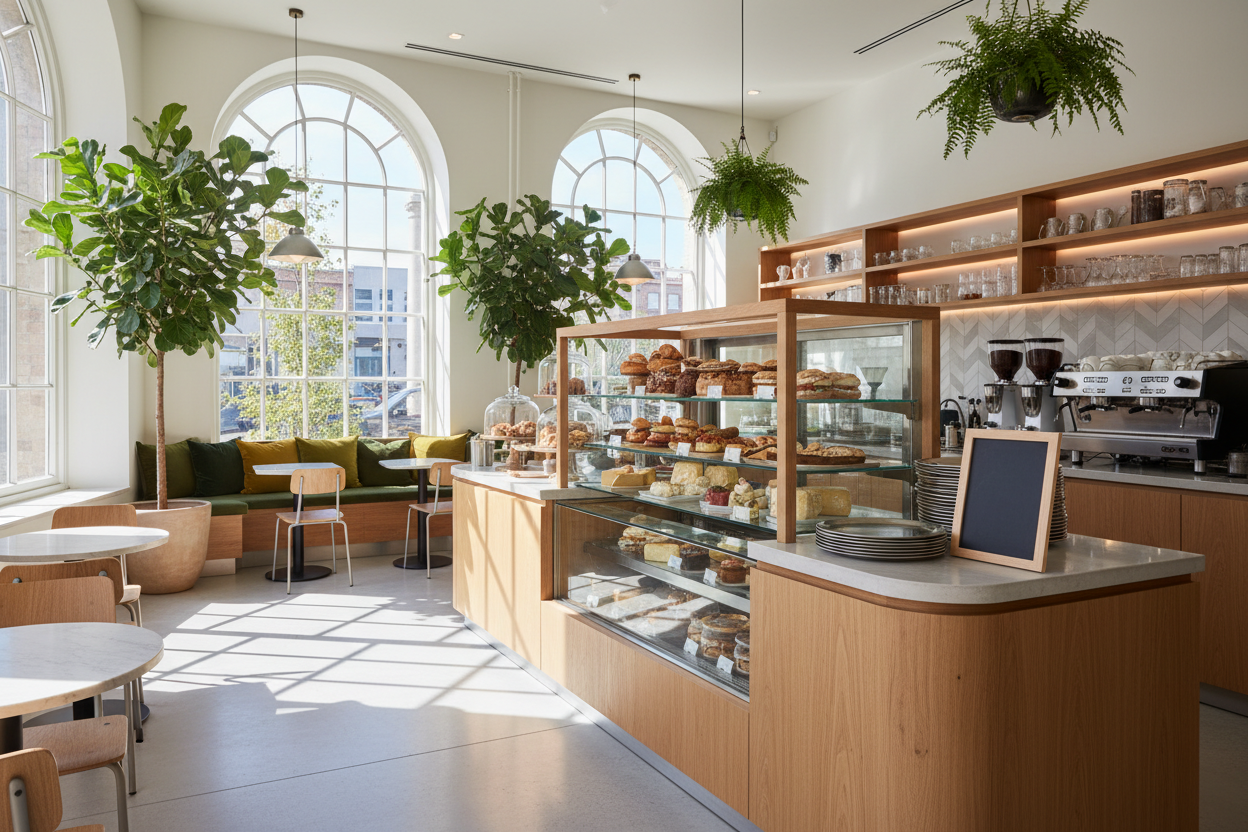
The moment I invested in a proper display case for food, my sales tripled. It wasn't because my baking got better overnight; it was because people finally saw the product as professional. If you are charging more than three dollars for a cookie, you have to stop treating your inventory like leftovers.
- Glass beats acrylic for clarity every single time.
- Rear-loading doors are non-negotiable for busy service.
- Lighting is the secret sauce—if they can't see the crumb, they won't buy.
- Think about your transport plan before buying the heaviest unit on the market.
The Tupperware Era (And Why It Cost Me Sales)
In those early days, I used what I called 'food display boxes,' which were really just oversized Tupperware. They were light, sure, but they were a disaster for branding. Every time I opened the lid to grab a pastry, the whole display looked messy, and the condensation from the morning air turned my crispy crusts into damp sponges.
Customers eat with their eyes first. When your food is tucked away in opaque containers, you are creating a barrier. I realized that by trying to save fifty bucks on a cheap food display container, I was losing hundreds in potential sales. A restaurant display case isn't just a box; it is a stage. Once I switched to a clear food display showcase, I didn't have to explain why my muffins were worth five dollars—the visual evidence did the talking for me.
What Makes a Cafe Display Case Actually Good?
When you start shopping for a coffee shop display case, don't just buy the first one you see on a restaurant supply site. You need to look for features that actually help you work. First, check the shelving. Fixed shelves are a nightmare; you want adjustable, angled shelves so you can tilt your trays toward the customer's eye line.
Anti-fog glass is another big one. If you are serving warm items or working in a humid environment, a standard glass food display case will cloud up in minutes. Look for units with tempered glass—it is safer and holds up to the inevitable bumps of a busy Saturday morning. A real cafe display case also needs rear access so you can restock from the back without reaching over your customers' heads.
Acrylic vs. Glass: The Great Pastry Debate
If you are running a food truck display case, weight is your biggest enemy. In that scenario, high-quality acrylic food display containers are your best friend. They won't shatter if you hit a pothole on the way to the venue. However, for anything semi-permanent, I will always advocate for a glass food display. Acrylic scratches if you even look at it wrong, and once those scratches happen, the unit looks 'dirty' no matter how much you scrub it.
For those of you finally moving into a brick-and-mortar spot or a long-term residency, consider how you use your corners. Utilizing a corner display case can maximize limited counter space, allowing you to fit more product without making the shop feel cramped. Glass feels intentional and high-end, whereas acrylic often feels like a temporary fix.
Keeping Things Fresh (Without Looking Like a Cafeteria)
The hardest part about a commercial food display case is balancing aesthetics with shelf life. You don't want your display to look like a hospital cafeteria with steam rising everywhere, but you also don't want your croissants turning into croutons by noon. A non-refrigerated food display cabinet is fine for most baked goods, but you need to manage the airflow.
I like to use a mix of display styles. Keep your fresh, high-turnover items in the main glass food display, and use a glass door display case curio cabinet behind the counter for your packaged retail goods like coffee beans or boxed shortbread. It keeps the workspace looking organized and keeps the focus on the fresh stuff right in front of the customer.
Small Counter? Here's How to Stack Your Sweets
If you are working with a tiny restaurant food display counter, you have to go vertical. Instead of spreading three trays out horizontally, look for sandwich display cabinets that offer three or four tiers of height. This draws the customer's eye upward and makes your selection look more abundant than it actually is.
I also keep my backstock organized but out of sight. I use a tall storage display cabinet in the back of the house to keep my extra boxes and non-perishables dust-free. Nothing kills the vibe of a beautiful food display case like a stack of messy cardboard boxes sitting right next to it. Keep the counter clear, the glass clean, and let the food be the star.
FAQ
Should I get a refrigerated or dry case?
If you are doing cream-filled pastries, cheesecakes, or sandwiches with mayo, you need refrigeration. For standard cookies, bread, and muffins, a dry case is better because refrigeration actually dries out bread faster.
How do I stop my glass case from fogging up?
Keep a small, battery-operated fan hidden in the corner to keep air moving, or look for a case with built-in ventilation. Also, let your baked goods cool completely before putting them inside.
Are food cases hard to clean?
The glass ones are easy if you use a 50/50 vinegar and water mix. Stay away from harsh chemicals that leave a scent—nobody wants a croissant that smells like Windex.



Leave a comment
This site is protected by hCaptcha and the hCaptcha Privacy Policy and Terms of Service apply.