










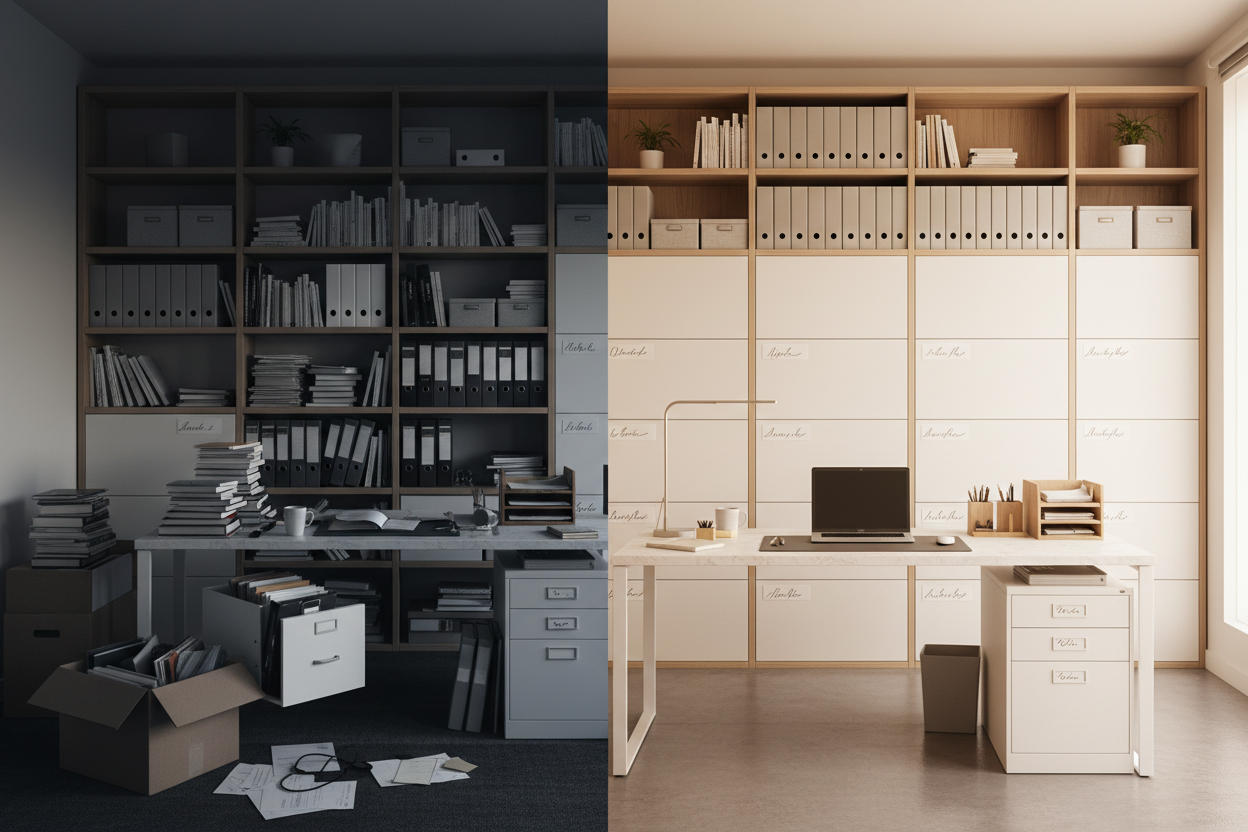
We have all experienced the gradual slide from a disciplined workspace into a cluttered chaos of cables and coffee mugs. The distinction between a chaotic desk and a sanctuary of productivity often comes down to curation. As an interior designer, I see clients struggle to balance the utilitarian needs of technology with the softness required for a home environment. Finding the best accessories for work from home isn't just about buying gadgets; it is about selecting pieces that harmonize with your interior while rigorously serving a purpose.
Key Features to Look For
- Ergonomic Integrity: Does the accessory promote neutral body posture? Prioritize adjustable heights and angles.
- Material Authenticity: Opt for natural materials like solid wood, full-grain leather, or brushed metal over shiny plastics to maintain a sophisticated aesthetic.
- Visual Weight: Choose items that reduce clutter. Slim profiles and cable-hiding capabilities create necessary negative space.
- Acoustic Properties: Look for felt or cork elements that dampen sound, especially in hard-surfaced rooms.
Balancing Ergonomics with Aesthetics
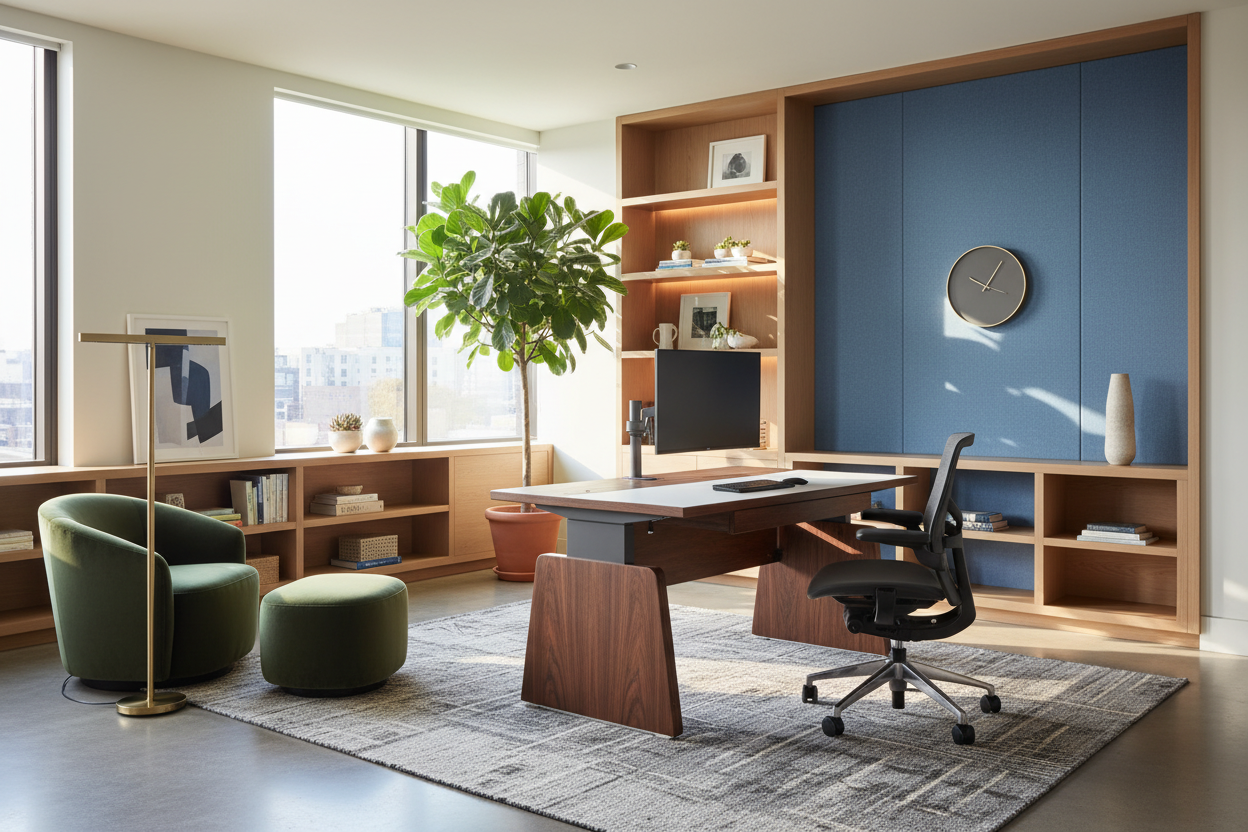
When sourcing home office computer accessories, the primary challenge is preventing the room from looking like a corporate cubicle. The goal is to integrate technology seamlessly into your residential style.
The Monitor Riser: Wood vs. Aluminum
Elevating your screen is non-negotiable for neck health, but the material choice dictates the vibe. While aluminum stands offer a sleek, industrial look suitable for modern lofts, they can feel cold. I often recommend work from home setup accessories crafted from bent plywood or solid walnut. These add warmth and texture, acting as a bridge between your tech and your wooden desk surface. A riser with a small footprint also allows you to tuck keyboards away, restoring visual order when the workday ends.
Textiles on the Desk: The Desk Mat
One of the top work from home accessories for grounding a workspace is a high-quality desk mat. Functionally, it improves mouse tracking and softens the acoustics of typing. Aesthetically, it acts as an anchor, defining the active work zone. Avoid synthetic neoprene options that fray quickly. Instead, invest in vegetable-tanned leather or high-density wool felt. These materials develop a patina over time, adding character rather than showing wear.
Lighting: The Unsung Hero of Video Calls
Lighting is rarely prioritized enough in lists of must have wfh accessories. Overhead lighting casts unflattering shadows and causes eye strain. To achieve a luxury look, layer your lighting. Start with an ambient table lamp with a linen shade for a soft glow, then add a dedicated task light. Look for architectural task lamps with matte finishes and adjustable arms. This ensures you look professional on camera without resorting to harsh ring lights that disrupt your home's ambiance.
Organization and Visual Cohesion
Clutter is the enemy of design. The best work at home accessories are those that hide the mess. Cable management sleeves should match your wall or desk leg color to disappear from sight. For small items, utilize trays made of stone, ceramic, or brass. These cute work from home accessories serve a functional role—corralling paperclips and drives—while introducing sculptural elements to the desktop.
My Personal Take on Work From Home Accessories
In my years of designing home offices, I have learned that texture dictates longevity. I once outfitted my own studio with those popular wool felt desk mats that look stunning in Instagram photos. It was a mistake. Within three months, the area under my wrists began to pill, and the felt trapped crumbs and dust that were impossible to fully clean. It looked unkempt.
I switched to a saddle leather mat three years ago. It has absorbed coffee spills, ink marks, and scratches, yet it looks better today than when I bought it. It taught me that work at home accessories must be resilient. If an item cannot handle the friction of daily life without looking shabby, it doesn't belong on your desk, no matter how trendy it is.
Conclusion
Transforming your workspace requires a discerning eye. By investing in the best accessories for working from home that prioritize natural materials, ergonomic support, and visual calm, you create an environment that respects both your career and your home. Stop settling for plastic clutter and start curating a space that inspires you.
Frequently Asked Questions
Is it worth investing in premium materials for office accessories?
Absolutely. High-quality materials like leather, brass, and solid wood age gracefully and offer better tactile feedback. Unlike cheap plastics that crack or yellow, premium work from home computer accessories often last a lifetime, making them a better value proposition long-term.
How do I choose accessories for a small desk?
For compact spaces, focus on verticality and multi-functionality. Use monitor arms to float screens and reclaim desk surface. Select work from home setup accessories like vertical laptop stands that store your device upright when connected to a monitor, drastically reducing the footprint.
What is the single most impactful accessory for a home office?
Beyond the chair, a proper lighting setup is crucial. It reduces eye strain and sets the mood. A well-designed task lamp serves as a focal point during the day and adds ambient warmth in the evening, bridging the gap between utility and decor.

Dejar un comentario
Este sitio está protegido por hCaptcha y se aplican la Política de privacidad de hCaptcha y los Términos del servicio.