










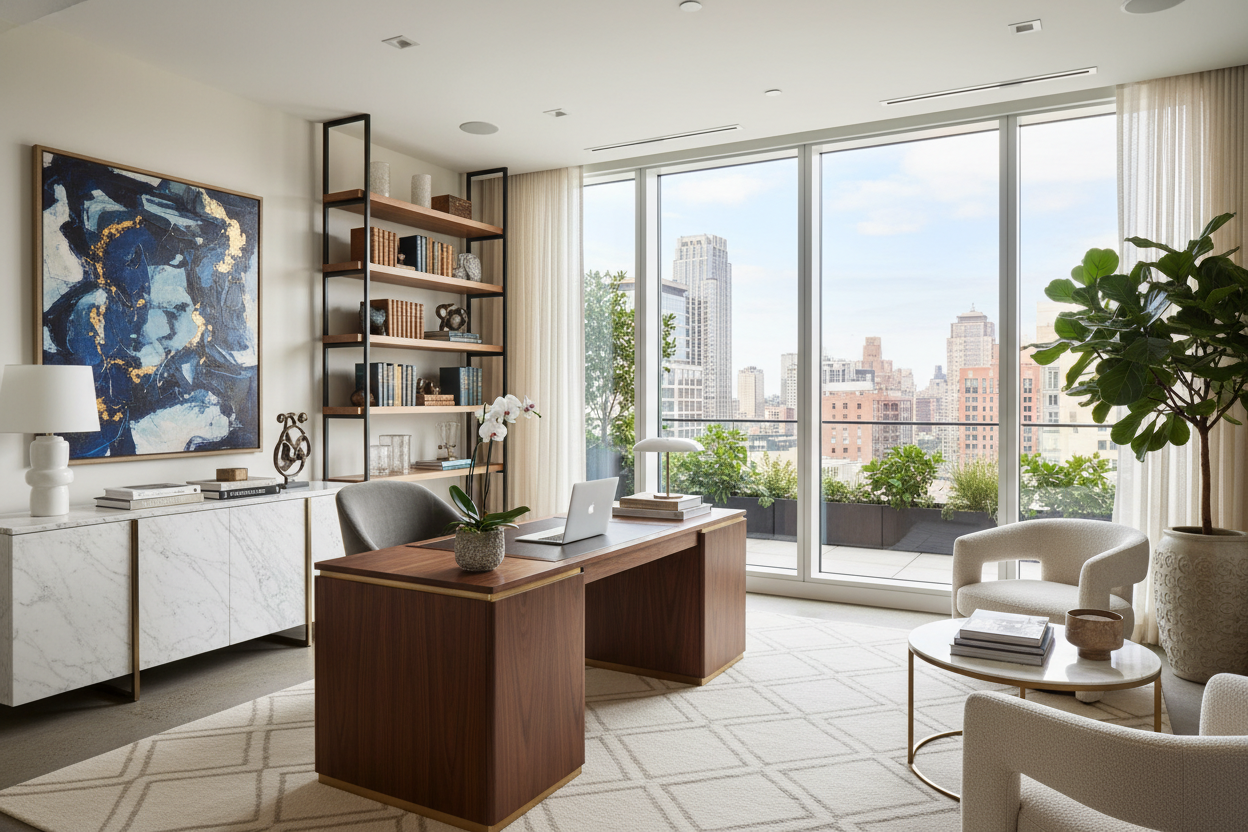
There is a distinct difference between a room with a desk and a thoughtfully curated workspace that commands respect. Many clients come to me feeling uninspired by their current setup, realizing that a stagnant environment is actively hindering their productivity. Whether you are outfitting a corporate headquarters or a dedicated home study, the right **workplace office ideas** do more than just fill a room; they dictate the workflow and energy of your day.
Key Features to Look For
- Ergonomic Integrity: Prioritize chairs with lumbar support and adjustable seat depth over purely sculptural shapes.
- Material Durability: Look for commercial-grade laminates or hardwoods with high Janka hardness ratings to resist daily wear.
- Lighting Layers: Ensure a mix of ambient overhead lighting and focused task lighting (aim for 4000K color temperature for focus).
- Acoustic Control: Incorporate soft furnishings, rugs, or acoustic panels to dampen echo and improve concentration.
- Cable Management: Integrated grommets and wire trays are essential for maintaining a clean, professional aesthetic.
Defining the Layout and Flow
When executing professional office design, space planning is the foundational step that often gets overlooked. A common error is pushing all furniture against the walls, creating a "dead zone" in the center. Instead, float the desk in the room if space permits. This "command position" offers a view of the door and establishes authority.
Zoning for Functionality
Effective work office designs often utilize zoning. Create a primary zone for deep work—your desk and monitor setup—and a secondary zone for reading or casual meetings. A pair of club chairs with a small side table can soften the rigidity of the room, offering a place to step away from the screen without leaving the productivity zone.
Materiality: The Tactile Experience
The difference between a generic setup and high-end professional office ideas lies in the materials. Cheap veneers often peel at the edges within a year. For a lasting investment, consider solid walnut or oak for your primary surfaces. If budget is a constraint, high-pressure laminate (HPL) offers excellent scratch resistance while mimicking the grain of real wood.
Don't neglect the tactile elements. A leather desk blotter doesn't just look sophisticated; it provides a superior writing surface and protects the wood underneath. Incorporating mixed metals—brushed brass or matte black hardware—can modernize the silhouette of traditional cabinetry.
Lighting: The Invisible Design Element
In my experience, lighting is where most best office design ideas fall short. Relying solely on harsh overhead fluorescents is a recipe for eye strain and fatigue. Layer your lighting. Start with general ambient light, but invest heavily in a high-quality articulated task lamp. The goal is to illuminate the work surface without creating glare on your monitor screens.
My Personal Take on Workplace Office Ideas
I learned a hard lesson early in my career regarding finish selection for professional office design ideas. I once specified a stunning, high-gloss black lacquer desk for a client's executive suite. It looked incredible in the showroom and in photographs. However, two weeks after installation, the client called me in frustration.
The issue wasn't the look; it was the usability. The high-gloss finish acted like a mirror, reflecting the overhead lights directly into his eyes, causing massive strain. Furthermore, every single fingerprint, dust mote, and coffee cup ring was visible instantly. It taught me that matte or satin finishes are not just an aesthetic choice—they are a functional necessity for horizontal work surfaces. Now, I always test materials under direct light before recommending them to ensure they are livable, not just photogenic.
Conclusion
Refining your workspace isn't about chasing trends; it's about creating an environment that supports your professional ambition. By focusing on ergonomic layouts, authentic materials, and proper lighting, you create a space that feels permanent and purposeful. Trust the process, invest in quality touchpoints, and your office will return the favor in productivity.
Frequently Asked Questions
How do I make a small office look professional?
Focus on vertical storage and scale. Use floor-to-ceiling shelving to draw the eye up and keep the desk surface clear. Choose furniture with exposed legs (rather than solid bases) to increase the visible floor area, making the room feel larger.
Is a standing desk worth the investment for professional office design?
Absolutely. From a design perspective, many modern standing desks now come in premium finishes like solid wood or anti-fingerprint matte, blending ergonomics with luxury aesthetics. It breaks the sedentary cycle and is a staple in modern work office designs.
What is the best color for a productivity-focused office?
While white is safe, it can be clinical. I often recommend "greige" (gray-beige) or soft sages for professional office ideas. These tones are low-contrast and easy on the eyes, reducing visual fatigue during long work sessions.

Dejar un comentario
Este sitio está protegido por hCaptcha y se aplican la Política de privacidad de hCaptcha y los Términos del servicio.