










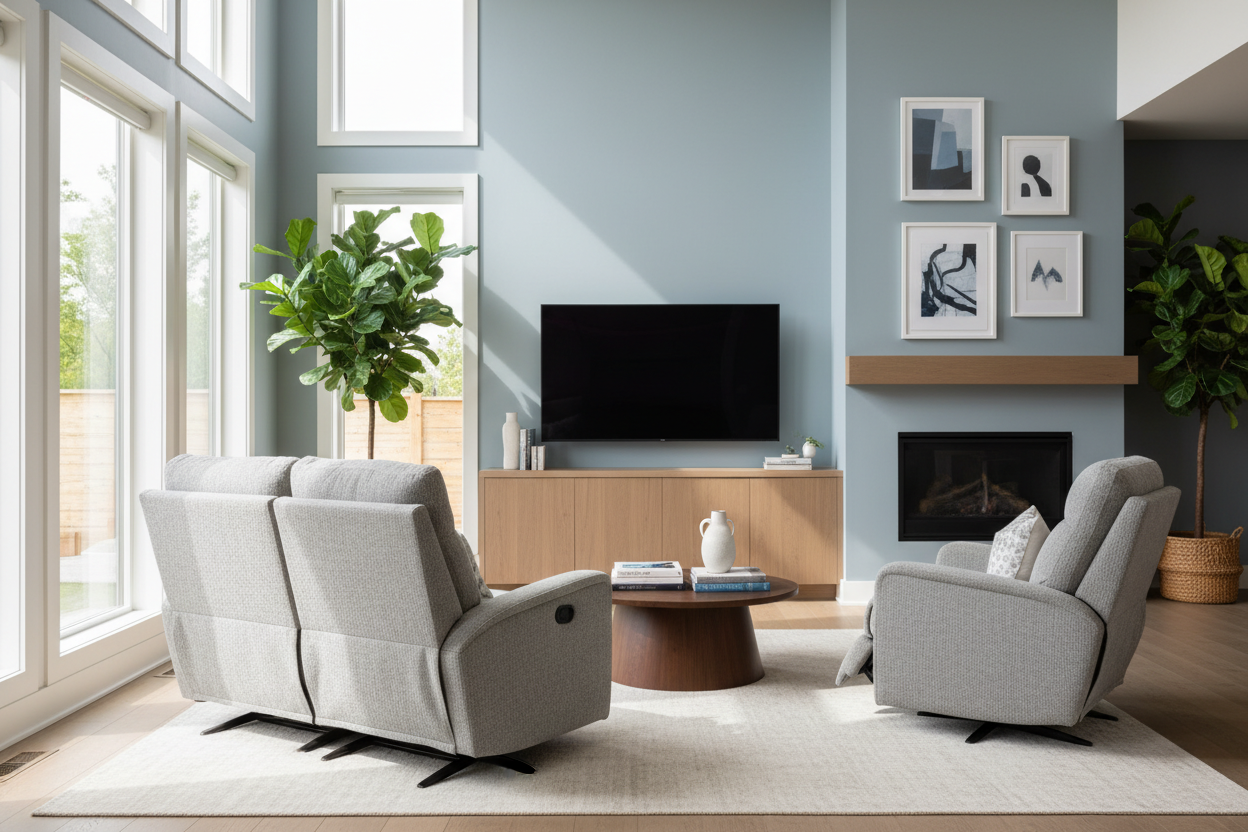
In my years of consulting, the most common whisper I hear from clients is, "I want comfort, but I don't want my living room to look like a cinema." It is the eternal struggle between aesthetic refinement and the undeniable relief of ergonomic support. The modern high-back reclining loveseat has evolved significantly from the bulky, overstuffed models of the past, yet selecting one requires a keen eye for proportion. If you are not careful, the visual weight of a high back can dominate a room, throwing off your entire design scheme. Here is how to select a piece that offers sanctuary without sacrificing style.
Key Features to Look For
- Wall-Hugger Mechanism: Essential for tighter floor plans; allows the unit to recline fully while placed only inches from a wall.
- Kiln-Dried Hardwood Frame: Prevents warping and squeaking over time, ensuring the mechanism stays aligned.
- Articulating Headrests: Look for power headrests that adjust independently to support your neck while watching TV, rather than staring at the ceiling.
- Upholstery Resilience: High-traffic areas require top-grain leather or performance fabrics (like Crypton) to resist pilling and stains.
- Visual Clearance: A model with raised legs (open base) reduces visual bulk compared to a skirted base.
Balancing Ergonomics and Silhouette
The primary reason you are investing in a high-back design is for the head and neck support. However, from a design perspective, height creates a vertical barrier. To mitigate this, pay close attention to the silhouette. Avoid overstuffed "marshmallow" styling. Instead, opt for track arms and tailored stitching.
The Importance of Scale
A high-back loveseat carries significant "visual weight." If you place it next to low-profile, mid-century modern chairs, the room will feel lopsided. Balance the height of the loveseat with a tall floor lamp or a bookshelf on the opposing side of the room to distribute the vertical interest evenly.
Choosing the Right Material
The tactile experience of a recliner is just as important as the mechanism. Because a reclining loveseat involves friction—sections rubbing against each other as they move—material choice is critical.
Leather vs. Performance Fabric
Top-grain leather is the gold standard for high-back recliners because it moves fluidly with the mechanism. Lower-grade bonded leathers will peel at the friction points within a few years. If you prefer warmth, choose a performance velvet or a tight-weave chenille. Avoid loose weaves like linen, which can snag in the reclining hardware.
Space Planning: The Flow of the Room
The biggest error homeowners make is measuring the loveseat in its upright position only. You must measure the "footprint of motion." When fully reclined, the footrest extends outward, potentially blocking traffic paths or hitting a coffee table. I always recommend an oval or round coffee table when pairing with recliners; the curves allow for better circulation when the footrest is deployed.
My Personal Take on high-back reclining loveseats
I learned a hard lesson early in my career regarding these specific pieces. I once specified a stunning, Italian-made high-back reclining loveseat for a client's penthouse. It looked sleek in the catalog. However, I failed to account for the "leather friction" noise.
Because the back was so high and the leather so pristine, every time the client shifted or reclined, the friction between the back cushion and the seat base created a loud, rubbery squeak that ruined the luxury experience. I had to personally go to the client's home and apply a specialized leather conditioner and a tiny amount of talc between the cushions to silence it. Now, I always check the "rub points" on the showroom floor before recommending a leather model. It’s a small, unpolished detail, but it makes the difference between a piece you love and a piece that annoys you every evening.
Conclusion
Integrating a high-back reclining loveseat into your home doesn't mean abandoning high design. By focusing on tailored lines, proper scale, and high-performance materials, you can curate a space that invites relaxation without looking cluttered. Measure your motion footprint, choose a frame that fits your body, and enjoy the best seat in the house.
Frequently Asked Questions
How much space do I need behind a reclining loveseat?
This depends on the mechanism. Standard recliners need 10 to 14 inches of clearance. However, "wall-hugger" or "zero-wall" models track forward as they recline, requiring as little as 3 to 5 inches of space from the wall.
Can I place a high-back loveseat in the center of a room?
You can, but you must ensure the back of the sofa is fully finished and aesthetically pleasing. High backs can create a "wall" effect, so consider placing a console table behind it to break up the large expanse of upholstery.
What is the best way to clean the mechanism?
Dust and pet hair are the enemies of smooth motion. Once a month, use a vacuum with a crevice tool to clean the internal metal framework underneath. Lubricate the joints annually with a silicone-based spray (never oil-based, which attracts dirt) to keep the recline silent.

Dejar un comentario
Este sitio está protegido por hCaptcha y se aplican la Política de privacidad de hCaptcha y los Términos del servicio.