










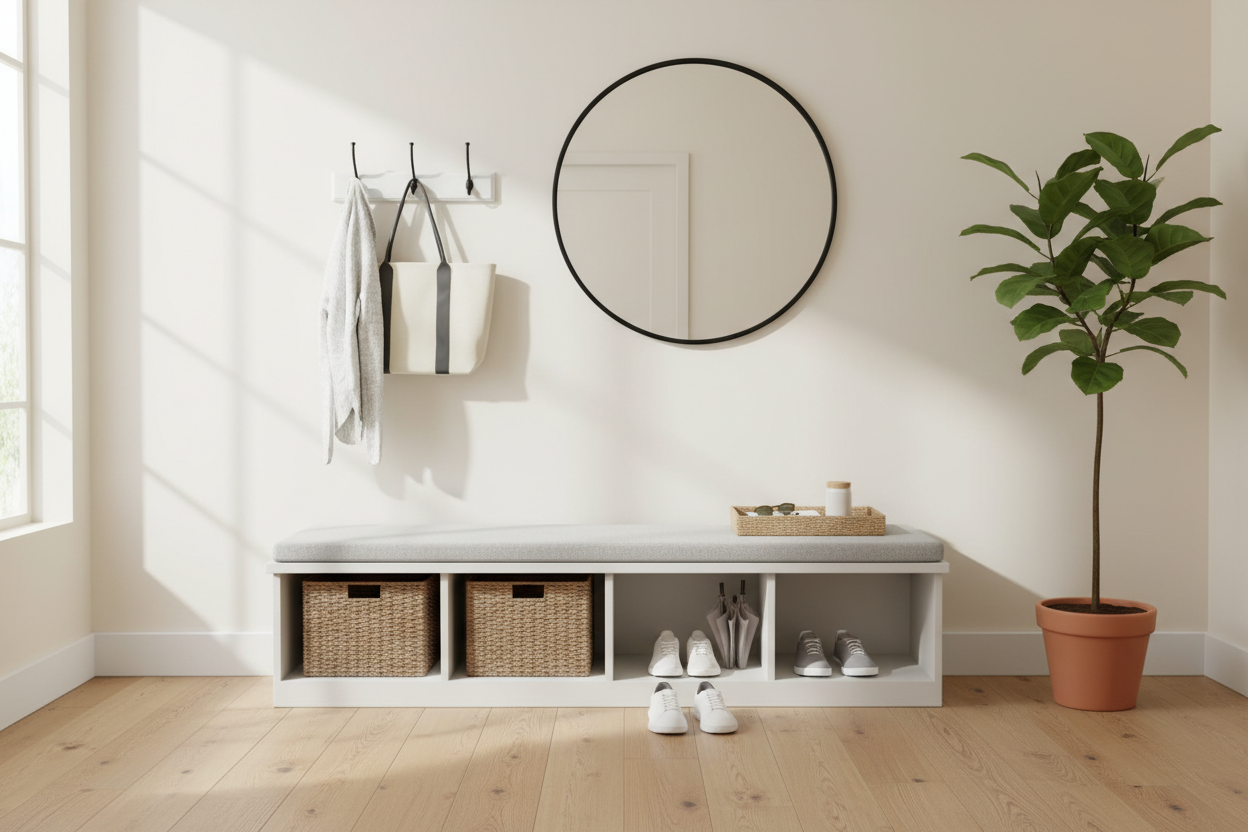
Walking through your front door shouldn't feel like navigating an obstacle course. We have all been there—stepping over a mountain of sneakers, awkwardly hopping on one foot to remove a boot, or dropping bags on the floor because there is nowhere else to put them. The entryway sets the tone for the rest of your home, and the right furniture can instantly transform a chaotic drop zone into a serene, organized space. A dedicated bench isn't just about aesthetics; it is a functional anchor that dictates how you enter and leave your sanctuary.
To find the best entryway bench for your specific needs, you have to look past the pretty catalog photos and focus on your lifestyle. If you have kids with muddy cleats, a white upholstered settee is a disaster waiting to happen. If you live in a narrow city apartment, a deep storage chest will block your walkway. The ideal choice balances three critical factors: dimensions, storage capacity, and material durability. Prioritizing these elements ensures you end up with a piece that actually solves your clutter problems rather than adding to them.
Defining Your Entryway Needs
Before you start measuring, look at your current pile of shoes and bags. This visual inventory tells you exactly what kind of furniture you require. The best benches for entryway organization usually fall into two camps: open slats or hidden compartments. Open slat benches are fantastic for airflow and keeping frequently used shoes visible and accessible. They work well in smaller spaces because the visual transparency keeps the room feeling open.
However, if your goal is to hide the mess entirely, you need a storage bench with a flip-top lid, drawers, or cubbies with baskets. I once worked with a client who insisted on an open minimalist bench but had three teenagers. Within a week, the area under the bench looked like a shoe explosion. We swapped it for a unit with deep drawers, and the hallway remained pristine. Be honest with yourself about how tidy your household actually is.
The Importance of Scale and Depth
Space planning is where most people make expensive mistakes. A standard hallway is often narrower than you realize. When looking for the best entryway benches, depth is the most critical dimension. A standard dining chair is about 18 to 20 inches deep, but that can be too intrusive for a foyer. You should aim for a bench depth between 14 and 17 inches if your hallway is tight. You need at least 36 inches of clearance for a comfortable walkway, and you must account for the swing of the front door.
I learned this lesson the hard way a few years ago. I found a stunning vintage church pew at an antique market. It had incredible character and I was convinced it was the perfect welcome bench indoor seating solution. I measured the length perfectly but completely ignored the depth. Once I wrestled it into the hallway, I realized the front door couldn't open past 90 degrees because it hit the edge of the seat. Every time a guest came over, we had to squeeze through a partially open door. It was beautiful, but functionally useless. I ended up selling it at a loss and replacing it with a slim, 15-inch deep metal bench that allowed full clearance.
Choosing Materials That Last
Your foyer sees more traffic, dirt, and moisture than almost any other part of your home. The materials you choose need to withstand wet coats, muddy paws, and heavy grocery bags. Solid wood is a perennial favorite for a reason. It is sturdy, can be wiped down easily, and develops a nice patina over time. If you opt for wood, ensure it has a sealed finish so that water from raincoats doesn't leave permanent rings.
Metal creates a modern, industrial look and is virtually indestructible. It is often the top choice for narrow spaces because metal frames can be thinner than wood while maintaining structural integrity. The downside is that it can feel cold and uninviting. Adding a few throw pillows or a removable seat cushion can soften the look without sacrificing durability.
Upholstery adds a touch of luxury and comfort, turning a transition space into a genuine room. However, fabric in a high-traffic zone is risky. If you love the look of a cushioned seat, look for performance fabrics treated to resist stains, or go with leather (or high-quality faux leather). Leather wipes clean and generally handles wear and tear better than linen or velvet. A welcome bench indoor setup should invite people to sit, not make them afraid of leaving a stain.
Style Meets Functionality
Once you have the mechanics of size and material sorted, you can focus on style. The bench is often the first piece of furniture a guest sees, so it acts as a preview of your interior design taste. Mid-century modern benches with tapered legs work well in contemporary homes, while rustic wooden benches with iron hardware suit farmhouse aesthetics.
Don't forget the vertical space above the bench. The furniture doesn't exist in a vacuum. Pairing your seating with a row of hooks, a mirror, or floating shelves maximizes the utility of the area. This creates a dedicated "command center" for leaving the house. The best benches for entryway designs are those that integrate seamlessly with these wall elements, creating a cohesive vignette rather than just a place to sit.
Making the Final Decision
Buying furniture for your hall requires a pragmatic approach. Measure your space twice, including the door swing and the walking path. Determine if you need to hide clutter or just organize it. Choose materials that can handle your local weather and your family's habits. Whether you choose a sleek metal rack or a cozy storage chest, the right piece will streamline your daily routine and make coming home a little more relaxing.
Frequently Asked Questions
What is the ideal height for an entryway bench?
The standard height for a bench is between 18 and 20 inches. This matches the height of most dining chairs, making it comfortable for the average adult to sit and tie their shoes. If the bench is primarily for small children, you might look for something slightly lower, around 16 inches.
Can I use an outdoor bench inside my entryway?
Yes, bringing outdoor furniture inside is a great design trick, especially for high-traffic foyers. Outdoor benches are designed to resist moisture and dirt, making them incredibly durable options for muddy boots and wet coats. Just ensure the style fits your interior decor so it doesn't look out of place.
How do I style a bench to make it look welcoming?
To prevent the bench from becoming a dumping ground, anchor it with a wall mirror or artwork above. Add a throw pillow for texture and comfort, and place a small tray on the seat or nearby for keys. This signals that the space is curated and discourages family members from piling junk on it.

Dejar un comentario
Este sitio está protegido por hCaptcha y se aplican la Política de privacidad de hCaptcha y los Términos del servicio.