










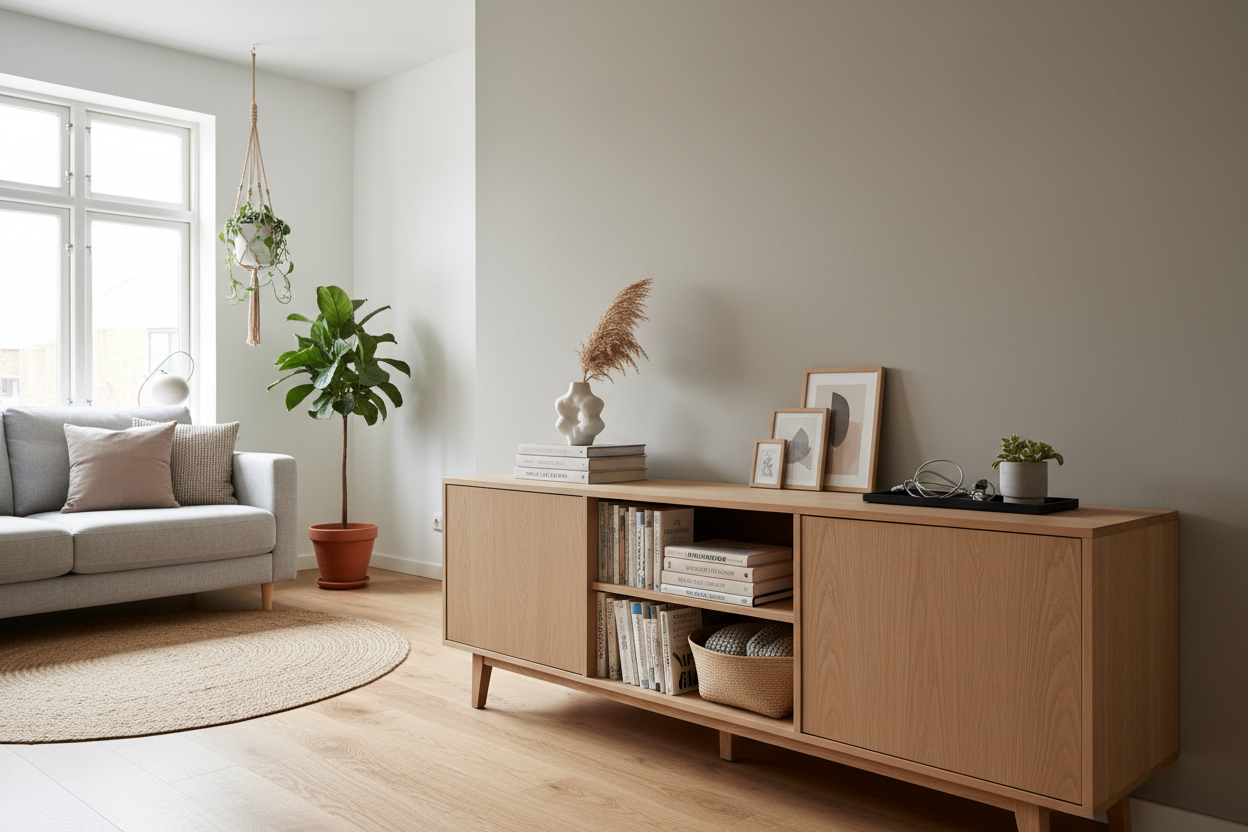
Visual clutter is the silent killer of a relaxing home atmosphere. You might have organized your books by color or bought matching baskets, but sometimes, you just need to put things away where nobody can see them. This is where a small shelf unit with doors becomes the unsung hero of interior design. Unlike open shelving, which demands that your possessions look curated and aesthetic at all times, a cabinet with doors offers the freedom of concealment. It allows you to store necessary but unsightly items—stacks of printer paper, tangled charging cables, or that collection of board games with ripped corners—while maintaining a clean, composed exterior.
I learned the value of closed storage the hard way in my first studio apartment. I had convinced myself that open industrial shelving was the look I wanted. Within two weeks, the shelves were a dust magnet and a source of visual stress. Every time I walked in the door, I saw work files mixed with stray mail. I eventually swapped that tall metal rack for a vintage low shelving unit with doors made of teak. The difference was immediate. The room felt larger because the sightlines were lower, and the mess was instantly gone. I could close the cabinet and effectively "close" the stress of the day. That experience taught me that furniture should serve your mental state just as much as your storage needs.
The Optical Illusion of Low Furniture
One of the biggest mistakes people make in small rooms is assuming they need tall furniture to maximize vertical storage. While floor-to-ceiling units have their place, they can often make a compact room feel claustrophobic, like the walls are closing in. A low shelving unit with doors acts differently. By keeping the furniture profile below waist height, you preserve the open space above. This allows light to travel more freely and exposes more wall surface, which tricks the eye into perceiving the room as more expansive.
This low profile also unlocks a secondary function: surface display. A waist-high cabinet effectively doubles as a console table. You gain a dedicated spot for a table lamp, a tray for keys, or a piece of framed art leaning against the wall. You aren't just buying storage; you are buying a styling surface that anchors the room without dominating it.
Choosing Materials for Durability and Style
When selecting a small shelving unit with doors, the material dictates both the longevity of the piece and where it can live in your home. Engineered wood or particle board with a laminate finish is common and affordable, but it has limitations. If you plan to place the unit in a high-traffic hallway or a bathroom, laminate can peel if exposed to moisture or constant friction.
For high-traffic areas, powder-coated metal is a superior choice. It resists chipping and is impervious to water, making it ideal for bathroom storage or entryways where wet umbrellas might lean against it. If you are looking for a living room piece, solid wood or high-quality wood veneer offers a warmth that metal lacks. Keep in mind that solid wood expands and contracts with humidity, so if you live in a climate with drastic weather changes, ensure the door hinges are adjustable to account for slight shifting.
The Importance of Hinge Quality
Nothing ruins the utility of a cabinet faster than a sagging door. When shopping, inspect the hardware. You want European-style concealed hinges (often called cup hinges). These allow you to adjust the door's position in three directions: up/down, left/right, and in/out. This adjustability is crucial because floors are rarely perfectly level. If you buy a unit with simple butt hinges (the old-fashioned flat kind), you will have very little recourse if the doors don't close flush.
Smart Placement Strategies
Versatility is the main draw of these units. Because they aren't massive, they can migrate around the house as your needs change. Here is how to maximize their utility in different zones:
- The Entryway Landing Strip: A shallow cabinet here is invaluable. The interior holds shoes and dog leashes, keeping the floor clear. The top surface catches mail and keys. Look for sliding doors rather than swinging doors here if your hallway is narrow, so you don't block the walkway when accessing contents.
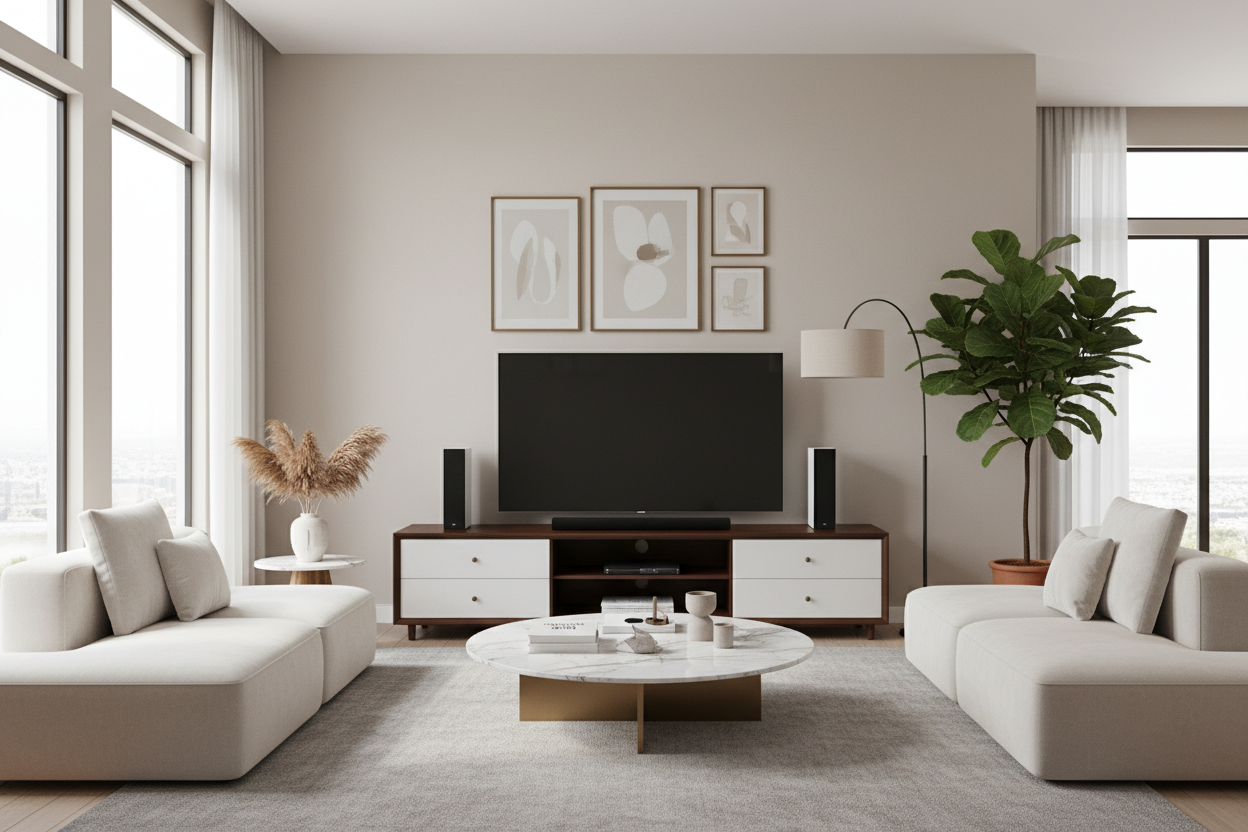
- The Media Console Alternative: Giant entertainment centers are outdated. A pair of small units pushed together can serve as a long, low media stand. This modular approach is often cheaper than buying a dedicated TV stand and allows you to separate them later if you move to a different layout.
- The Dining Room Buffet: You don't need a massive antique sideboard to store extra plates. A compact cabinet can hold linens and serving platters. If the unit is sturdy enough, the top serves as a drink station during parties.
Assembly and Safety Considerations
Even though these units are small, stability is non-negotiable. A loaded cabinet can become top-heavy, especially when both doors are swung open simultaneously. Always use the wall-anchoring hardware provided. If you have thick baseboards that prevent the unit from sitting flush against the wall, you might need to use spacers or longer screws to secure the anchor strap to a stud.
If you are assembling a flat-pack unit, pay close attention to the back panel. Often, this is a thin sheet of fiberboard nailed into place. Do not skip the nails or try to use tape. That back panel provides the shear strength for the entire structure, preventing the cabinet from wobbling side-to-side (racking) over time.
Styling the Interior for Maximum Efficiency
The danger of having doors is that the interior can become a chaotic void. To get the most out of your purchase, treat the inside as if it were open. Use clear acrylic bins or labeled baskets to categorize smaller items. If the unit has adjustable shelves, take the time to measure what you are storing before inserting the shelf pins. There is no reason to leave six inches of dead air above a stack of magazines. Move the shelf down and gain space for another layer of storage.
By selecting the right materials and focusing on adjustable hardware, a simple cabinet becomes a powerhouse of organization. It clears the visual noise, defines your space, and proves that you don't need a sprawling closet to keep a home tidy.
Frequently Asked Questions
Can I stack two small shelf units on top of each other?
Generally, no. Unless the manufacturer specifically sells them as modular stacking units with connecting hardware, stacking them is unsafe. The top unit can slide off or crush the bottom unit, which may not be designed to bear that weight.
How do I fix a gap between the cabinet doors?
Locate the screw on the horizontal arm of the internal hinge. Turning this screw clockwise or counter-clockwise moves the door left or right. Adjust both the top and bottom hinges in small increments until the gap is even and the doors do not rub against each other.
What is the minimum depth needed for a hallway cabinet?
For a standard hallway, look for a unit with a depth between 12 and 15 inches. Anything deeper than 16 inches will likely encroach on your walking path and make the space feel cramped.

Dejar un comentario
Este sitio está protegido por hCaptcha y se aplican la Política de privacidad de hCaptcha y los Términos del servicio.