










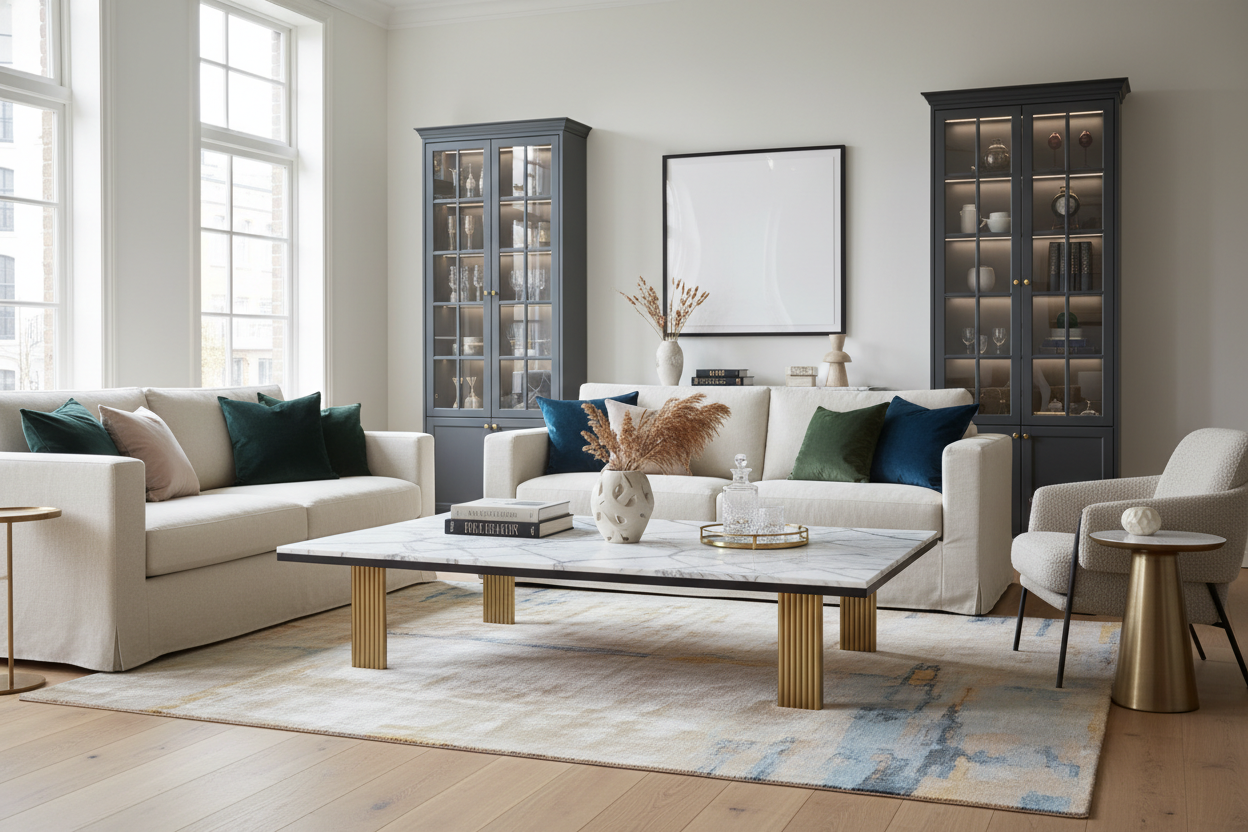
There is a pervasive myth in interior design that luxury requires a five-figure budget. In reality, great design is about the thoughtful curation of silhouette, texture, and scale. When sourcing furniture for clients who want a sophisticated look without the bespoke price tag, I often turn to a specific staple: the **ikea living table**. The challenge isn't finding one; it's selecting the piece that transcends its flat-pack origins to become a grounding element in your lounge.
Key Features to Look For
- Visual Weight: Does the table ground the space (solid wood/veneer) or keep it airy (glass/metal)?
- Material Integrity: Look for real wood veneers (like the Stockholm series) over basic foil finishes for longevity.
- Scale & Flow: Ensure there is at least 14-18 inches of clearance between the table edge and the sofa.
- Hardware Details: Check if legs can be swapped or painted to customize the aesthetic.
Curating the Right Silhouette
The shape of your coffee table dictates the flow of movement in the room. When I am space planning, I look at the surrounding furniture first. If you have a modern, angular sectional, a round or oval table softens the harsh lines and improves circulation. Conversely, if your seating arrangement involves two sofas facing each other, a rectangular ikea living table provides the necessary linear symmetry.
It is essential to consider the "visual weight" of the piece. In smaller urban apartments, I often recommend tables living room ikea offers that utilize glass or slender metal legs (like the Vittsjö). These allow light to pass through, preventing the room from feeling cluttered or heavy.
Materiality and Texture
The difference between a showroom look and a college dorm vibe often comes down to the finish. While IKEA is famous for its honeycomb-structure paper filling (found in the Lack series), these pieces rarely age well in high-traffic family rooms. As a designer, I steer clients toward pieces utilizing wood veneers, tempered glass, or powder-coated steel.
Elevating the Look with Styling
Once the table is in place, the styling—or "tablescaping"—is what sells the luxury aesthetic. Adhere to the rule of threes. Start with a stack of large coffee table books to add height. Introduce an organic element, such as a ceramic bowl or a structured floral arrangement, to break up the manufactured lines. Finally, add a tactile object, like a marble tray or a brass candle holder. This layering creates depth and distracts the eye from mass-produced joinery.
My Personal Take on IKEA Living Tables
I want to share a specific experience from a project I did in a pre-war apartment in Chicago. We were under a strict budget, so we chose the VITTSJÖ nesting tables. On paper, they looked perfect—airy, industrial, and chic. However, during installation, I noticed a distinct "rattle" every time someone set a glass down.
The metal frame and the glass top didn't sit perfectly flush, creating a cheap, metallic clatter that ruined the atmosphere. The fix? I didn't use the standard plastic bumpers included in the box. Instead, I bought high-quality, clear silicone felt pads and applied them generously under the glass. I also spray-painted the frame a matte antique brass before assembly. Three years later, the client still gets asked where she bought her "vintage" brass tables. The lesson here is that the furniture is just the canvas; your modifications are the art.
Conclusion
Integrating budget-friendly furniture into a stylish home isn't about compromising; it's about being strategic. By focusing on materials that mimic natural textures and paying attention to scale, an IKEA piece can anchor a room just as effectively as a designer showroom item. Trust your eye, measure twice, and don't be afraid to modify the hardware to make it your own.
Frequently Asked Questions
How do I protect the finish on an IKEA veneer table?
Veneer is susceptible to water damage. Always use coasters, and consider applying a high-quality matte polyurethane sealant if you plan on heavy daily use. This adds a protective layer without altering the look.
Can I paint IKEA laminate tables?
Yes, but preparation is key. You cannot paint directly over the laminate. You must sand the surface to create a "tooth," apply a bonding primer (like BIN shellac-based primer), and then use an enamel paint for a durable finish.
What is the ideal height for a living room table?
Ergonomically, the table surface should be the same height or 1-2 inches lower than your sofa seat cushions. This ensures you can easily reach your drink without straining.


Dejar un comentario
Este sitio está protegido por hCaptcha y se aplican la Política de privacidad de hCaptcha y los Términos del servicio.