










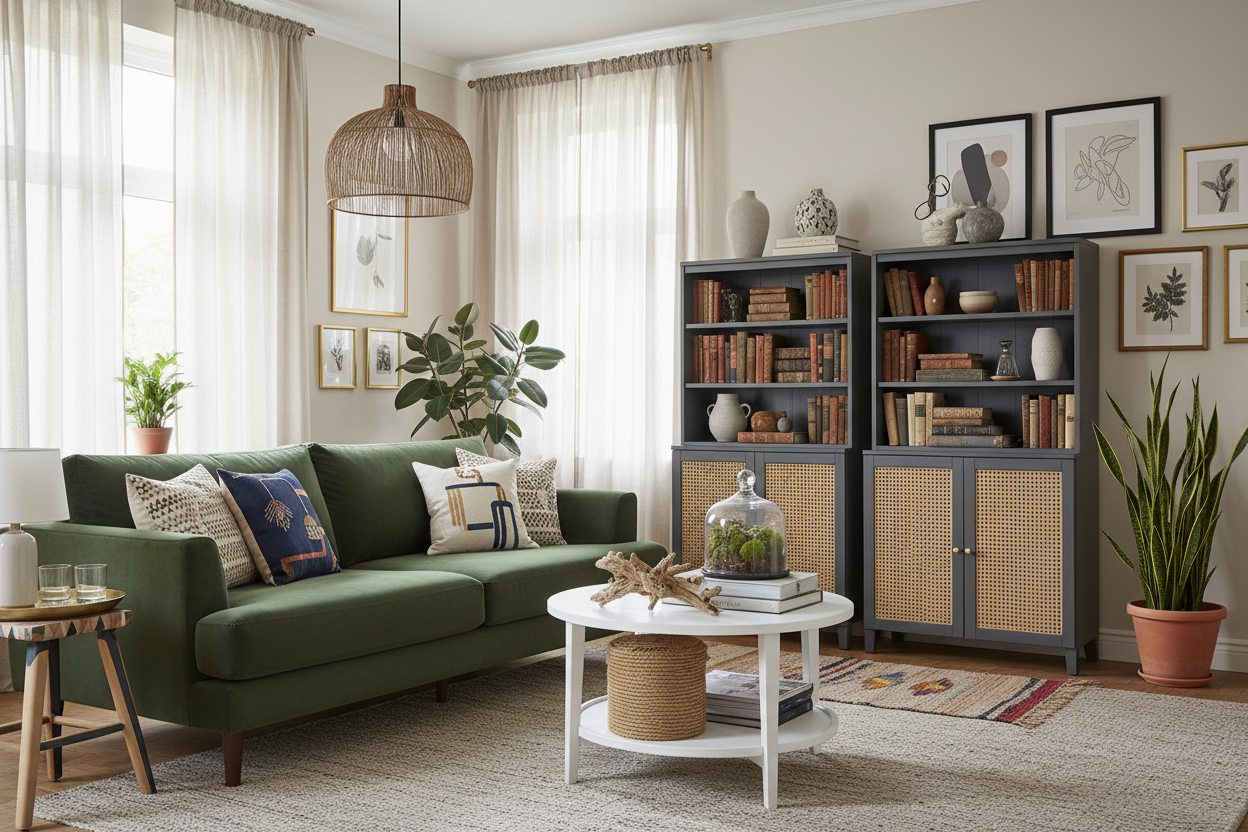
One of the most frequent misconceptions I encounter in client consultations is the idea that a sophisticated interior requires an unlimited budget. The reality is that design is about curation, not just price tags. When selected with a discerning eye, ikea homeware can serve as the foundational architecture of a stunning room, allowing you to allocate funds toward statement art or custom joinery. The secret lies in understanding material limitations, scale, and the art of the 'high-low' mix.
Quick Decision Guide: What to Prioritize
Before navigating the labyrinth of the showroom, keep these critical factors in mind to separate the durable gems from the temporary fixes:
- Material Integrity: Prioritize solid wood (like pine or acacia) and metal over honeycomb-structure paper filling for longevity.
- Silhouette Simplicity: Look for clean lines without faux-ornamentation. Simple shapes mimic high-end minimalism more effectively.
- Textural Depth: Avoid high-gloss synthetic finishes which can look flat; opt for matte, veneer, or natural weaves.
- Modularity: Choose systems that allow for expansion, ensuring the piece adapts as your ikea household needs change.
Curating Materials: Beyond the Particleboard
As a designer, I always advise looking past the showroom vignette to the actual composition of the item. While many ikea supplies are famous for flat-pack efficiency, the material choice dictates the lifespan and the 'feel' of the room.
Identifying Quality Veneers
Not all veneers are created equal. When selecting larger furniture pieces, look for thicker wood veneers that have a tactile grain. When light hits a smooth, printed laminate, it reflects uniformly, often revealing its lower cost. A textured veneer absorbs and refracts light, adding visual weight and warmth to the space. This is crucial when integrating ikea home stuff into a living room where ambiance is key.
The Art of the High-Low Mix
The most successful interiors rely on tension between objects. Placing a mass-produced side table next to a vintage, sculptural armchair elevates the former.
When bringing ikea to home environments, consider the '70/30 Rule.' Let 70% of your foundational items (shelving, basic lighting, rugs) be accessible pieces, and reserve 30% of the budget for high-touch items like drawer pulls, faucets, or a statement sofa. By swapping out standard issue hardware for brass or leather handles, you disrupt the visual recognition of the brand, making the piece feel custom.
Space Planning and Visual Weight
A common error with flat-pack furniture is that it can sometimes feel 'leggy' or insubstantial. To counter this, pay attention to scale. If you are using a slim-profile console, anchor it with a heavy, textured rug or a substantial piece of wall art. Ensure that your layout breathes; overcrowding a room with small-scale furniture makes a space feel cluttered rather than curated.
My Personal Take on Ikea Homeware
I want to share a specific lesson from a project I worked on in a Brooklyn loft. We used the IVAR cabinet system—raw, untreated pine—to create a wall-to-wall storage unit. On paper, it was perfect. However, I learned a hard lesson about the 'unfinished' nature of these products.
We delayed sealing the wood by two weeks because the client was undecided on the stain color. In that time, the natural oils from fingertips opening and closing the doors left faint, yellowing ghost marks on the pine that were impossible to simply wipe off. I had to sand the entire unit down with 220-grit sandpaper before we could apply the matte sealant.
Furthermore, the door hinges on that specific line have a 'drift' tolerance. If you don't tighten them with a drill on a low torque setting (hand-tightening isn't enough), the gaps between doors become uneven within a month of use. It’s these unpolished details—the maintenance of raw wood and the mechanical quirks—that you need to prepare for. The aesthetic payoff is worth it, but only if you put in the sweat equity.
Conclusion
Designing with accessible pieces doesn't mean compromising on elegance. By focusing on natural materials, swapping out hardware, and understanding the mechanics of the furniture, you can create a space that feels personal and grounded. It is entirely possible to craft a luxury narrative using budget-friendly elements if you approach the process with patience and a designer's scrutiny.
Frequently Asked Questions
How do I make my Ikea furniture look built-in?
The key is bridging the gaps. Remove your existing baseboards so the units sit flush against the wall, and use filler strips (trim) to close the space between the top of the unit and the ceiling. Painting the unit and the trim the same color as the walls creates a seamless, architectural look.
Is it worth buying upholstered Ikea furniture?
Yes, but with a caveat. I recommend purchasing the frame but upgrading the slipcovers. Several third-party companies specialize in creating high-performance velvet or linen covers specifically for these frames, which drastically improves durability and style.
What is the best way to transport large Ikea orders?
If you are managing a full room renovation, the ikea to home delivery service is often worth the investment to avoid damage. Flat packs are heavy and dense; moving them without proper equipment can result in chipped corners before you even start assembly.

Dejar un comentario
Este sitio está protegido por hCaptcha y se aplican la Política de privacidad de hCaptcha y los Términos del servicio.