










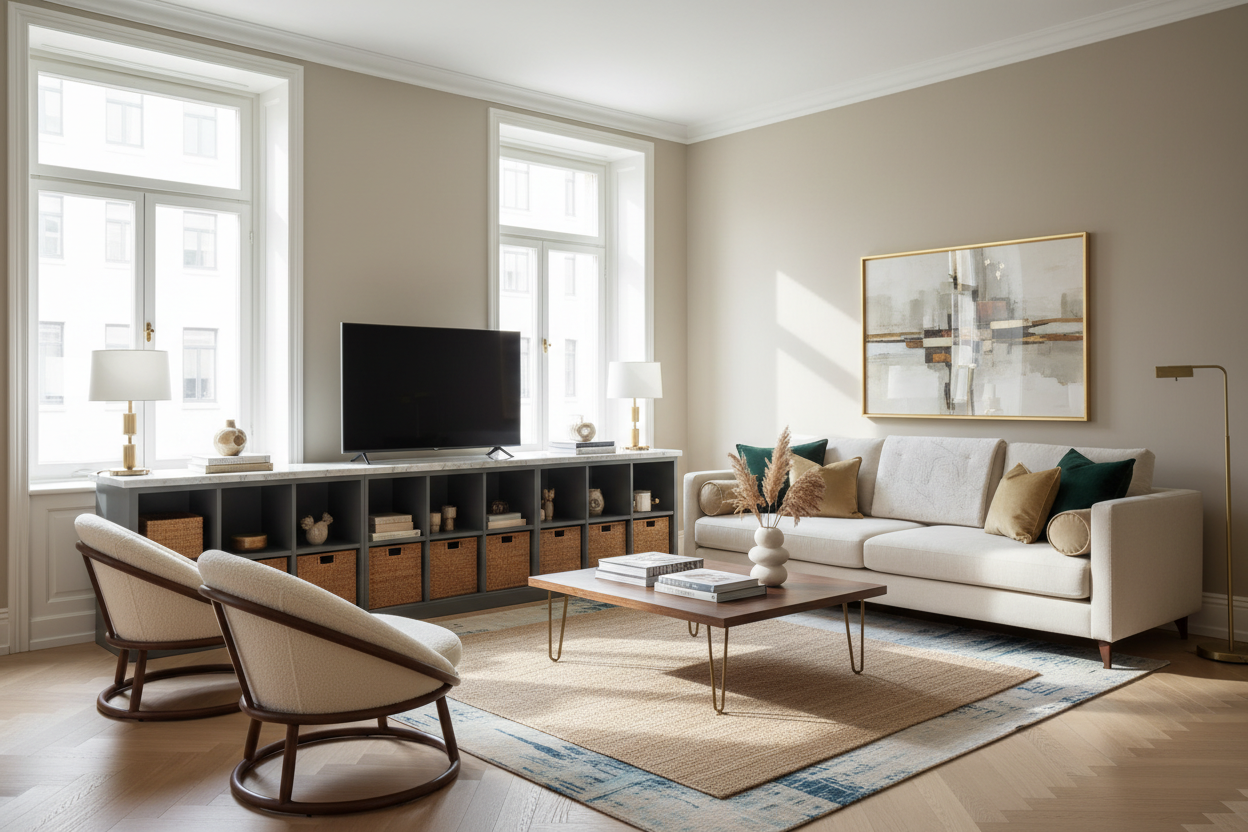
One of the most frequent misconceptions I encounter in my design practice is the idea that a sophisticated home requires a budget with no ceiling. The reality is that high design is about curation, not just cost. When approached with a discerning eye, ikea living room furniture can serve as the foundational architecture of a stunning, high-end space. The secret lies not in buying the most expensive item on the showroom floor, but in understanding scale, materiality, and the art of the "high-low" mix. This guide will walk you through navigating the flat-pack labyrinth to find pieces that offer genuine longevity and style.
Quick Decision Guide: What to Look For
- Joinery & Weight: Opt for pieces with solid wood or metal frames over hollow-core particleboard. If it feels too light, it will likely wobble over time.
- Fabric Rub Count: For upholstery, check the durability rating. A rub count above 25,000 is essential for daily use in an active ikea living room.
- Modularity: Prioritize series (like Söderhamn or Vimle) that allow you to change configurations or covers as your needs evolve.
- Leg Hardware: Check if the legs are removable. Swapping standard legs for custom wood or brass options is the fastest way to elevate the look.
Elevating the Aesthetic: Materiality and Texture
The difference between a showroom catalog look and a bespoke interior usually comes down to texture. When selecting furniture, avoid the "matchy-matchy" trap of buying entire ikea living room sets off the shelf. Instead, focus on mixing finishes. If you choose a velvet sofa, pair it with a timber coffee table rather than a glossy white laminate one. This contrast creates depth and visual interest.
Pay close attention to the weave of the fabrics. Flat, printed cottons often look inexpensive under harsh lighting. I always advise clients to look for weaves with variation—tweeds, heavy linens, or full-grain leathers (like those found in the Stockholm collection). These materials catch the light differently, adding a sense of richness and warmth to the room.
Space Planning and Visual Weight
A common error in DIY interior design is disregarding the "visual weight" of furniture. IKEA designs often lean towards Scandinavian minimalism, which is sleek but can feel insubstantial in a large room with high ceilings.
Creating a Focal Point
To ground the space, ensure at least one piece has significant mass. If you select a leggy, airy sofa, balance it with a solid, blocky coffee table or a substantial area rug. This interplay ensures the room doesn't feel like a temporary pop-up shop. Conversely, in tighter quarters, utilizing glass or acrylic surfaces can maintain an open flow while providing necessary functionality.
The Customization Factor
As a designer, I rarely use IKEA pieces exactly as they come out of the box. The goal is to obscure the origin of the furniture. This is where "hacking" becomes a professional tool. Consider painting shelving units the same color as your walls for a built-in library effect. For seating, third-party companies now offer slipcovers in high-end linens and velvets that fit IKEA frames perfectly. This allows you to utilize the affordable, engineered ergonomics of the frame while showcasing a fabric that looks and feels premium.
Lessons from My Own Projects
I want to share a candid observation from a project I completed last year in a downtown loft. We utilized the Söderhamn modular sofa to save budget for custom lighting. While the modularity was a lifesaver for the building's narrow elevator, I learned a specific lesson about the cushions.
After about six months, the back cushions began to lose their structure more than I anticipated—they developed a bit of a "slouch" that looked messy rather than relaxed. My fix? We actually restuffed them with high-density foam inserts wrapped in batting. It cost very little but completely changed the profile of the sofa, making it sit upright and look crisp. Also, a word of warning on the matte black finishes: they are magnets for fingerprints. If you have toddlers or sticky hands in the house, you will spend half your life wiping them down. I now steer clients toward the wood veneers or textured metals for high-traffic surfaces.
Conclusion
Designing a beautiful home is about making smart choices, not just expensive ones. By focusing on silhouette, upgrading tactile elements, and customizing the details, you can integrate IKEA pieces into a home that feels curated and personal. Trust your eye, mix textures, and don't be afraid to modify what comes out of the box to suit your vision.
Frequently Asked Questions
How do I make my IKEA living room furniture last longer?
Tighten the hardware (screws and bolts) three months after assembly, as wood and metal settle. Additionally, rotating seat cushions weekly prevents uneven wear and sagging, extending the life of your upholstery significantly.
Are IKEA living room sets good for small apartments?
Yes, but be selective. Look for "apartment size" versions of popular lines or multifunctional pieces like ottomans with storage. Avoid overstuffing the room; seeing the floor beneath furniture (pieces with legs) creates an illusion of more space.
Can I paint IKEA laminate furniture?
You can, but preparation is key. You must use a high-adhesion shellac-based primer (like BIN) before painting. Without this specific primer, standard paint will scratch off the smooth laminate surface within weeks.

Dejar un comentario
Este sitio está protegido por hCaptcha y se aplican la Política de privacidad de hCaptcha y los Términos del servicio.