










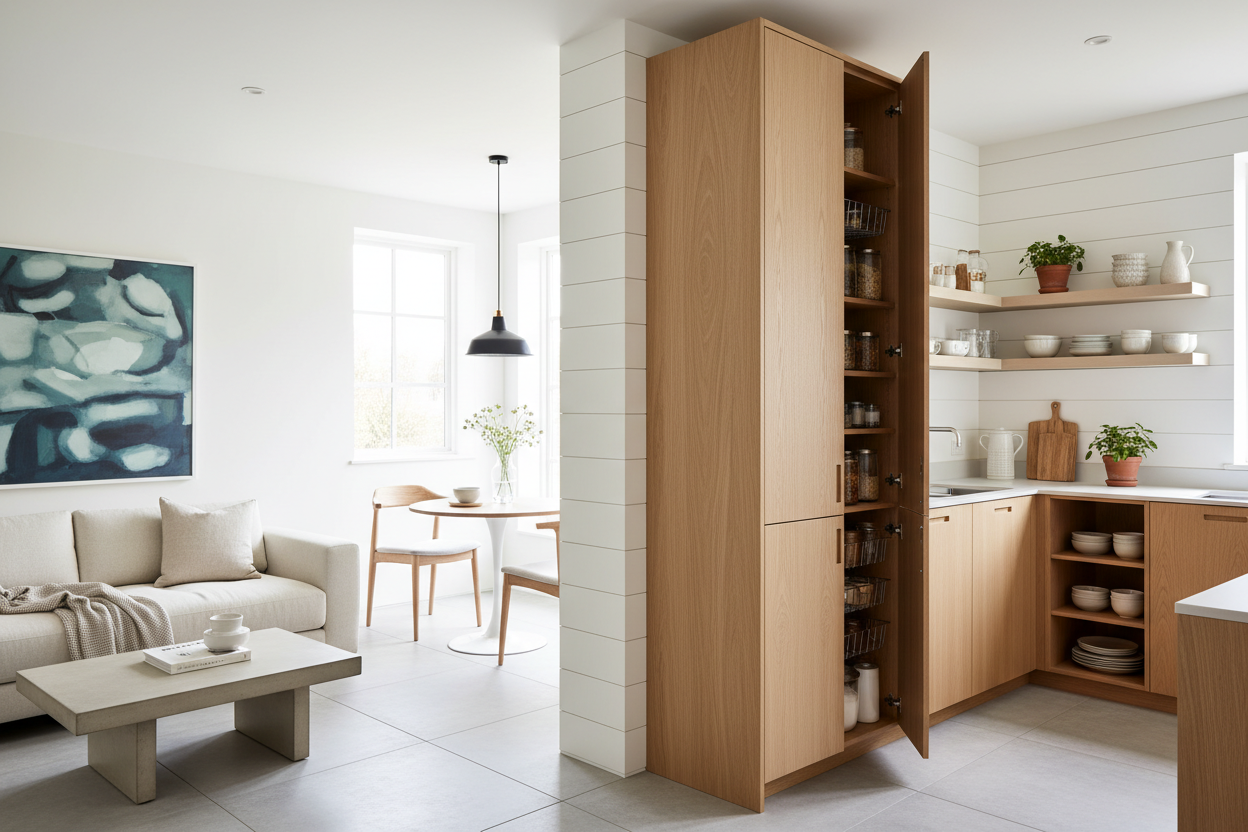
I once spent forty minutes looking for a jar of sun-dried tomatoes that was literally three inches away from my face. It was hidden behind a bulk pack of paper towels in the dark corner of my old walk-in pantry. That was the day I decided to stop romanticizing the 'walk-in' and start looking for a better cabinets pantry setup.
We have been conditioned to believe that a walk-in closet is the gold standard of kitchen luxury. But unless you have the square footage of a suburban Costco, those deep, dark closets are usually where expensive olive oil goes to turn rancid. After ripping out my wire shelving and replacing it with freestanding furniture, I am never going back.
- Visibility is king: Shallow shelves mean no more 'lost' cans at the back.
- Flexibility: You can move a cabinet; you can't move a structural wall.
- Visual Calm: Closing a door on your cereal boxes beats staring at busy labels all day.
- Cost: High-quality furniture is often cheaper than a full-scale closet renovation.
The Walk-In Pantry Myth (Why Deep Shelves Are a Trap)
The biggest lie in kitchen design is that more depth equals more storage. It doesn't. It just equals more hiding spots for pests and expired flour. Most walk-in kitchen pantries are built with 16-inch or even 24-inch deep shelves. That is a recipe for disaster. You end up stacking three rows of cans, and you lose track of everything behind the first row.
A dedicated pantry cabinet in kitchen layouts works better because it usually tops out at 12 to 15 inches of depth. That is the sweet spot. When you open a pantry cabinet large enough to hold your dry goods but shallow enough to see the labels, your grocery bill actually goes down because you stop buying duplicates. I found that using a stand up pantry cabinet allowed me to categorize by 'zones'—baking on top, snacks at eye level—without anything getting buried.
Why Switching to Closed Furniture Changed How I Cook
There is a psychological weight to seeing a cluttered kitchen closet pantry every time you walk by. Even if the shelves are organized, the sheer visual noise of a hundred different brands and colors is draining. Switching to a closed food pantry cabinet instantly makes the room feel ten degrees cooler and more expensive.
Upgrading to dedicated kitchen pantry storage finally allowed me to create proper zones. I have a specific kitchen utility cabinet for my heavy appliances like the stand mixer and the air fryer, which keeps my counters clear. When everything is tucked behind a cabinet door pantry, the kitchen feels like a place for people, not just a storage locker for food cabinets. The accessibility of a kitchen pantry with drawers also means I’m not kneeling on the floor to find the rice cooker anymore.
3 Ways to Fake a Built-In Look Without a Contractor
You don't need a five-figure renovation to get that high-end look. If you buy two identical 2-door pantry cabinet units and bolt them together, you suddenly have a massive wall of storage that looks like custom millwork. I recommend anchoring them flush to the wall and adding a simple piece of crown molding across the top to bridge the gap to the ceiling.
If you have a long, empty wall, a large food pantry kitchen cupboard can act as an anchor piece for the entire room. It looks intentional, not like a temporary fix. For a truly 'built-in' feel, look for pantry style cabinets that match your existing kitchen trim color. A little bit of caulk and some matching paint along the side where the unit meets the wall can fool almost anyone into thinking it was there when the house was built.
Sneaking Extra Groceries Into the Dining Room
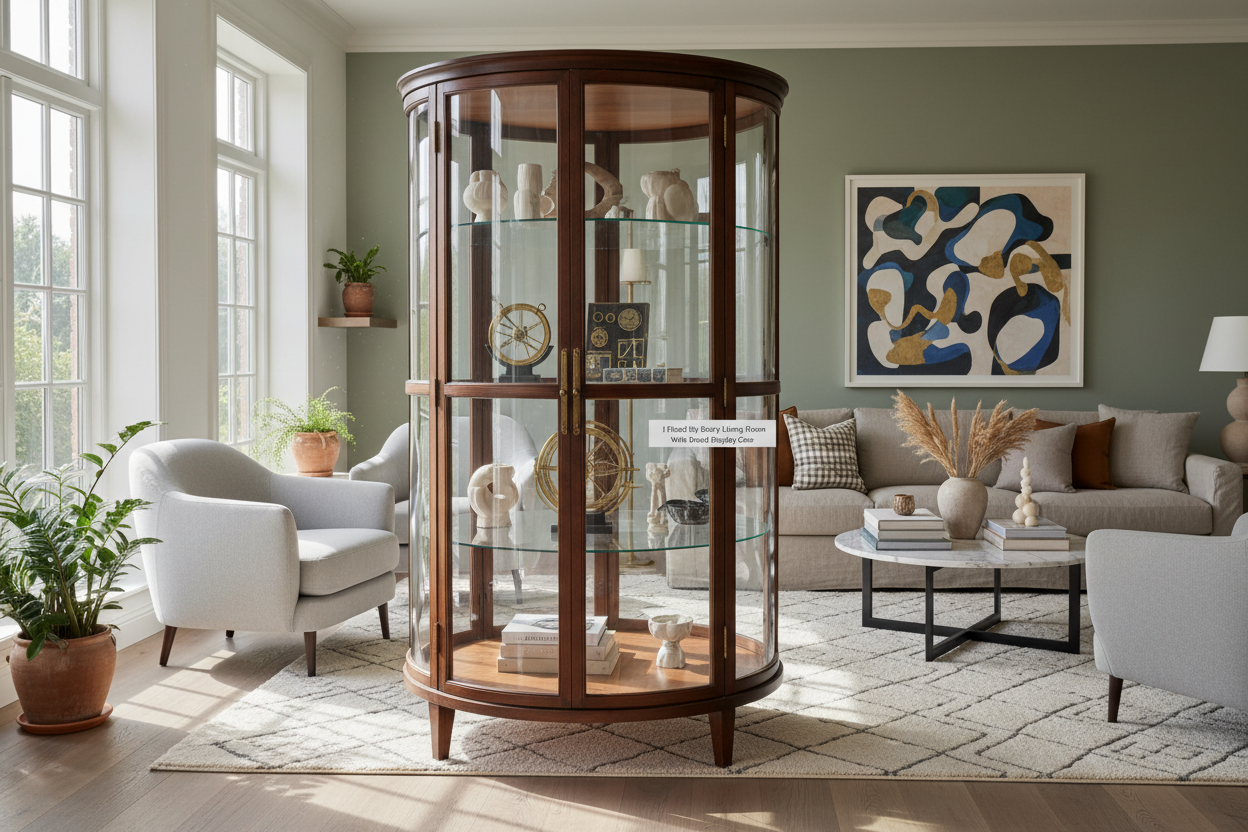
Sometimes the kitchen is just full. In my last apartment, I had zero room for a big kitchen pantry, so I moved the 'dry' storage into the dining area. The trick is to use a pantry armoire or a pantry dresser that doesn't look like a 'food box.'
I love pieces that blend kitchen storage with dining display by using glass-front upper doors for my pretty glassware and solid lower doors for the ugly boxes of pasta and extra paper towels. This kind of dining pantry cabinet bridges the gap between the two rooms perfectly. It’s basically a kitchen pantry armoire that works double duty, and it keeps the kitchen from feeling claustrophobic.
What to Look For When Buying (Drawers Are Non-Negotiable)
If you are shopping for inexpensive pantry cabinets, look at the hardware first. Cheap hinges will sag after six months of holding heavy jars. You want soft-close hinges and, most importantly, lower pull-outs. A kitchen pantry cabinet with drawers is worth twice its weight in gold. Bending over to dig through the bottom of a dark pantry closet cabinet is a young person's game, and I'm officially retired from it.
Check the weight capacity of the shelves too. A shelf full of canned tomatoes can easily hit 40 pounds. If the material is thin MDF, it will bow. Look for solid wood or high-density particle board with reinforced supports. Before you commit, I suggest finding the perfect kitchen pantry cabinet near you to test the drawer glides in person. If they feel gritty or loud when empty, they will be a nightmare when they are loaded with 20 pounds of potatoes.
Personal Experience: My $200 Mistake
I once bought a 'bargain' food pantry closet unit from a big-box store because it was 75% off. It looked great for three weeks. Then I realized the shelves weren't adjustable. I couldn't fit a standard bottle of olive oil or a box of cereal without tilting them at a 45-degree angle. It was infuriating. I ended up having to drill my own holes to move the shelves, which eventually split the side panels. Now, I never buy a storage pantry unit unless the shelves have at least five different height increments. You need that flexibility for when you inevitably switch from standard jars to those giant bulk-buy containers.
FAQ
Is a freestanding pantry better than a built-in?
Usually, yes. Freestanding furniture allows for better depth control (12-15 inches) and can be moved if you decide to rearrange your kitchen. Plus, you can take it with you when you move houses.
What is the ideal depth for a food storage cupboard?
Twelve inches is the gold standard. It fits a standard dinner plate and most large cereal boxes, but it’s shallow enough that nothing can hide in the back. If you go deeper than 15 inches, you absolutely must have pull-out drawers.
How do I stop my pantry cabinet from tipping?
Always use an anti-tip kit. Most kitchen pantry unit sets come with them. If not, buy a heavy-duty L-bracket from the hardware store and secure it into a wall stud. Never rely on just the weight of the food to keep it stable.
Can I use a wardrobe as a kitchen pantry?
You can, but be careful with shelf weight. Wardrobes are designed for light clothes, not heavy cans. If you use an armoire kitchen pantry, you may need to reinforce the shelves with extra cleats to prevent them from collapsing under the weight of your soup collection.

Dejar un comentario
Este sitio está protegido por hCaptcha y se aplican la Política de privacidad de hCaptcha y los Términos del servicio.