










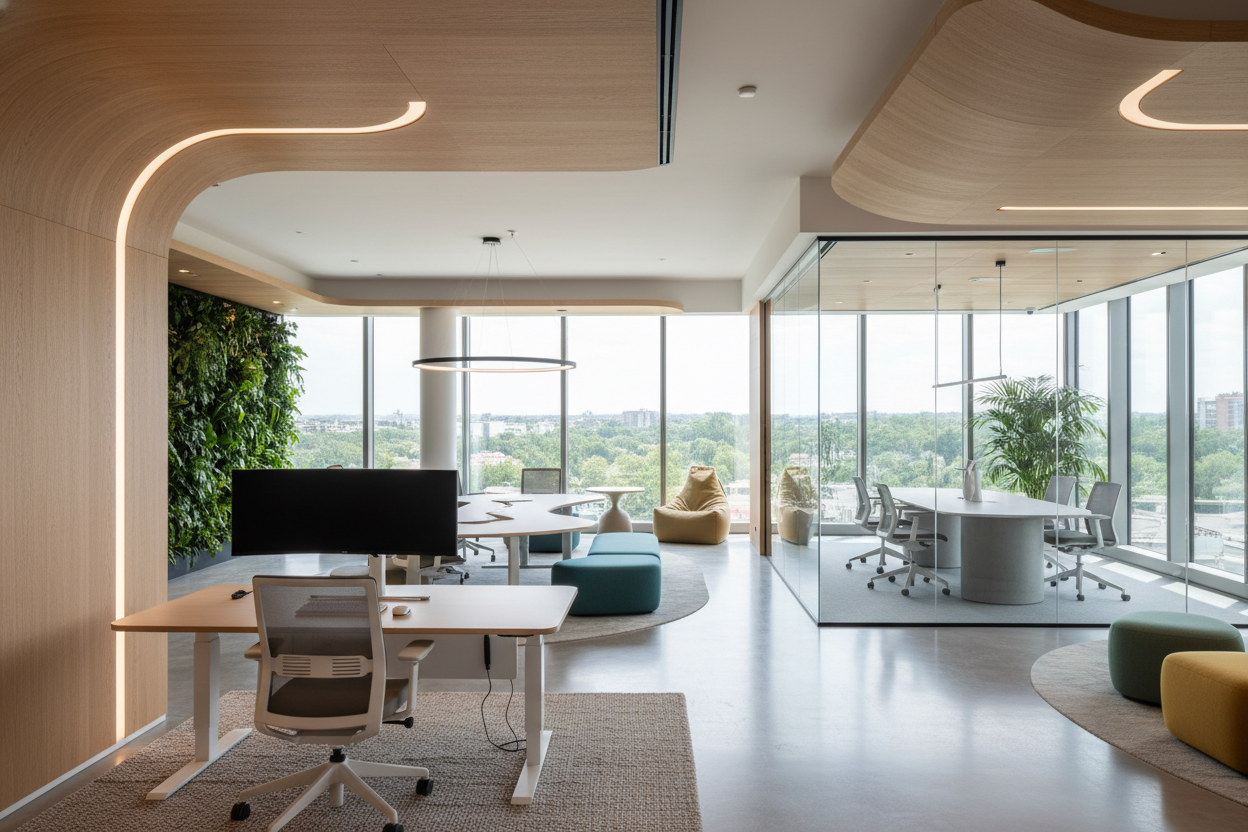
Staring at a beige wall from an uncomfortable chair isn't just boring; it kills productivity. Whether you are overhauling a corporate floor or dedicating a room in your home for remote work, the pressure to create an environment that fosters focus and creativity is high. Many clients come to me feeling stuck between sterile cubicles and chaotic open plans. The solution is to intentionally innovate office space design by prioritizing flow, human-centric ergonomics, and tactile variety.
Key Features of High-Performance Workspaces
- Acoustic Control: Look for sound-absorbing materials like PET felt baffles or upholstered partitions to reduce echo.
- Modular Furniture: Prioritize desks and seating that can be reconfigured easily as team needs change.
- Biophilic Elements: Integrate natural light and greenery to reduce stress and improve air quality.
- Ergonomic Support: Invest in chairs with adjustable lumbar support and seat depth to prevent long-term strain.
Rethinking Layouts and Zoning
One of the most significant shifts in innovative office layouts is the move away from rigid rows toward "activity-based working." This concept mimics a home environment, offering different zones for different energy levels.
The Focus Zone vs. The Collaboration Hub
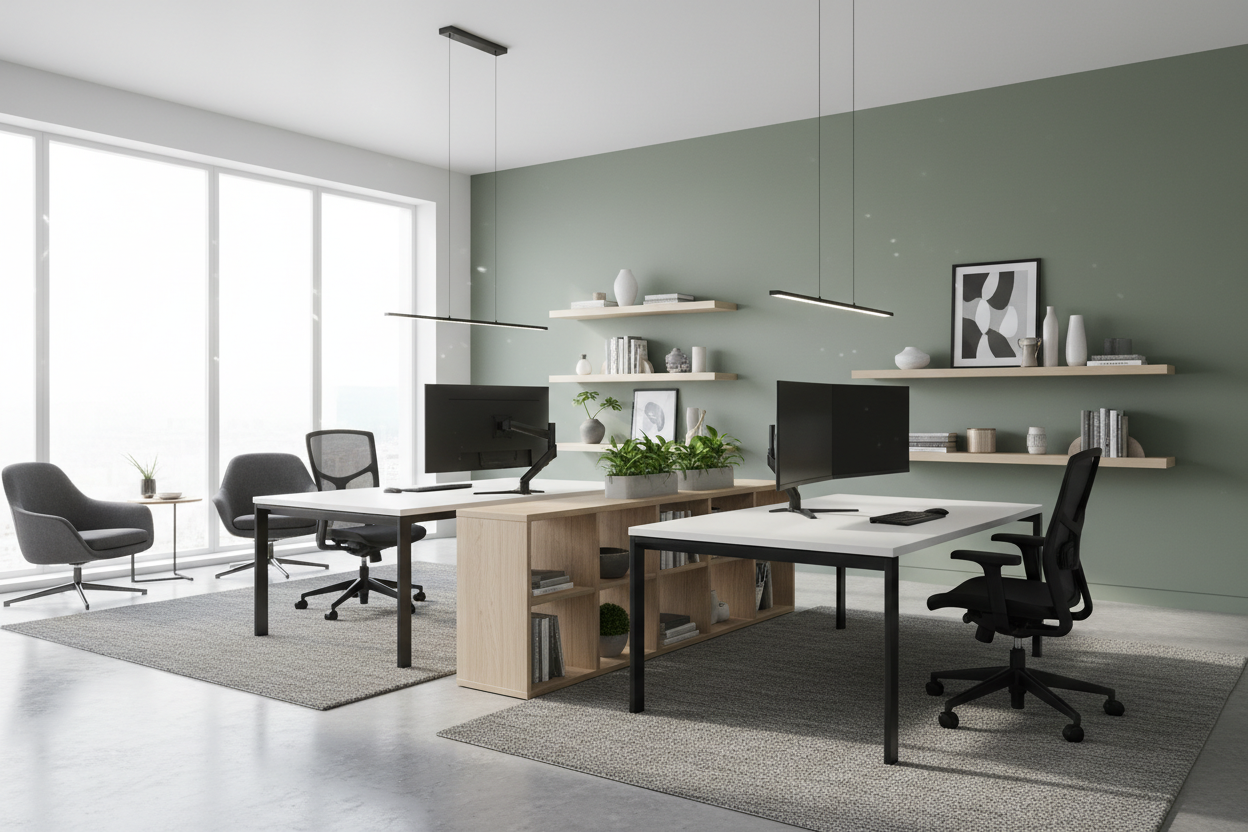
In innovative office spaces, visual separation is crucial. For deep work, position desks away from high-traffic corridors. Use tall shelving units as room dividers; this creates a physical boundary without blocking light. Conversely, collaboration hubs should feature lower seating profiles, like lounge chairs with firmer foam density, encouraging conversation without the "slouch" factor of a living room sofa.
Materiality: Durability Meets Aesthetics
When selecting furniture to innovate office space ideas, the finish is just as important as the form. In high-traffic areas, avoid high-gloss lacquers which highlight scratches. Instead, opt for high-pressure laminates (HPL) with a matte, textured finish or solid wood with a commercial-grade polyurethane seal.
Textural Balance
A common mistake in modern offices is an over-reliance on glass and metal, which creates a cold, echoing chamber. To soften the aesthetic, introduce wool blends on task chairs or walnut veneers on storage units. This adds warmth and improves the acoustic profile of the room.
Lighting: The Unsung Hero of Productivity
You cannot have truly innovative office buildings without addressing circadian lighting. Standard fluorescent tubes cause eye strain and fatigue. Layer your lighting scheme by combining ambient overhead fixtures (3000K-4000K color temperature) with direct task lighting. An articulated desk lamp allows the user to control the illuminance on their work surface, reducing glare on monitors.
Lessons from My Own Projects
I want to share a specific regret from a project I led three years ago to illustrate a practical point. We were designing a boutique creative agency and decided to use matte black, soft-touch laminate for all the communal tables to achieve a sleek, modern look. It looked incredible in the rendering and on installation day.
However, two months later, the client called me. The "soft-touch" finish was a magnet for oils. Every fingerprint, every smudge from a lunch break, showed up instantly and was nightmare to clean. We ended up having to resurface the tops with a textured wood grain laminate that hid wear much better. Now, whenever I look to innovate office space, I always test a material sample by pressing my thumb on it firmly. If the print stays, it doesn't make the cut for horizontal surfaces, no matter how good it looks.
Conclusion
Designing a workspace isn't just about buying a desk; it's about curating an ecosystem where you actually want to spend time. By focusing on flexible layouts, durable yet warm materials, and proper lighting, you can build a space that works as hard as you do.
Frequently Asked Questions
How do I innovate office space in a small room?
Focus on verticality. Use wall-mounted shelving and floating desks to keep the floor plan open. Mirrors can also visually double the space, while adequate lighting prevents the room from feeling like a closet.
Is custom furniture necessary for innovative office space ideas?
Not always. While custom millwork maximizes awkward corners, many modular systems from high-end manufacturers allow you to "build" a semi-custom look by combining standard components, saving you money and lead time.
What is the best flooring for office acoustics?
Carpet tiles with a thick cushion backing are the gold standard for noise reduction. If you prefer the look of wood, use Luxury Vinyl Tile (LVT) with a sound-dampening underlayment and add large area rugs in conversation zones.


Dejar un comentario
Este sitio está protegido por hCaptcha y se aplican la Política de privacidad de hCaptcha y los Términos del servicio.