










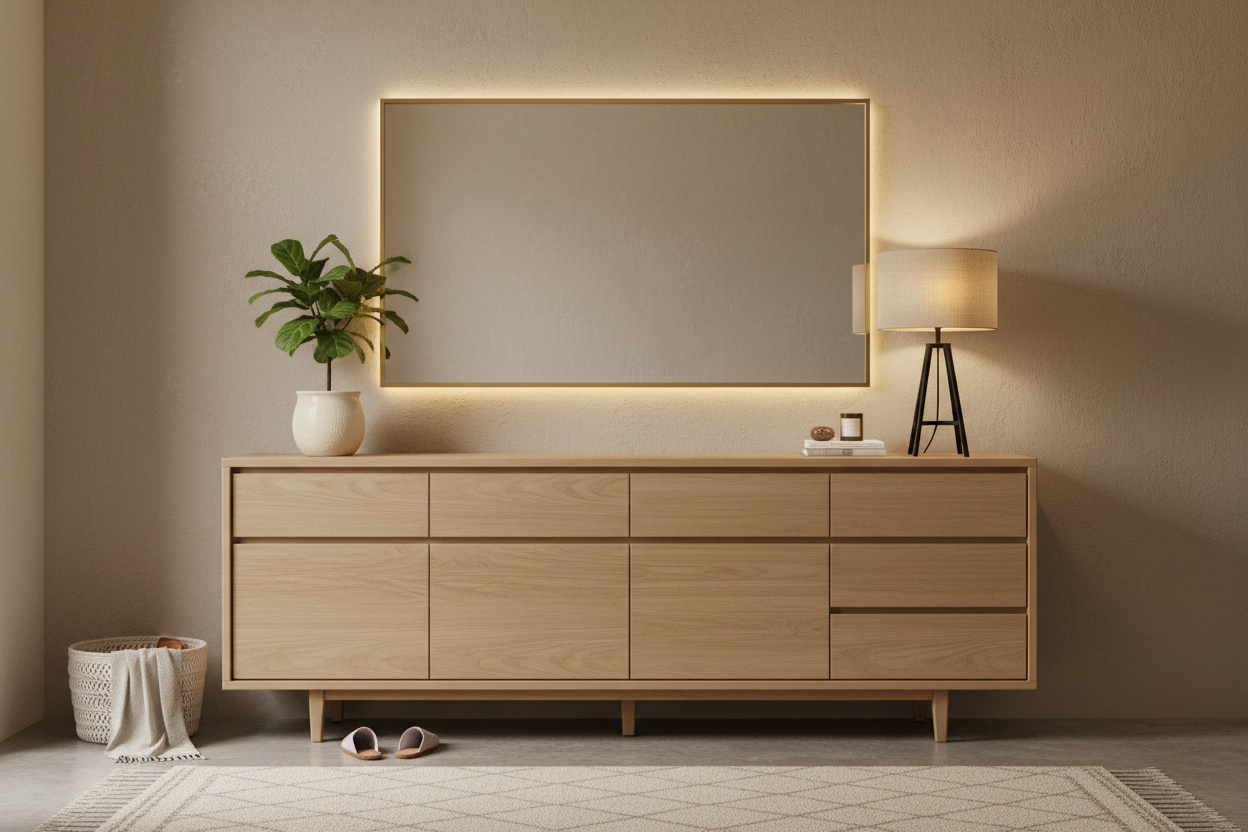
Walking through your front door should feel like a relief, not a reminder of a to-do list. Yet, for many of us, the first few feet of our home become a dumping ground for keys, unopened bills, dog leashes, and random clutter. The solution isn't just to be tidier; it is to have the right furniture that works for you. An entry way console table with storage serves as the command center of the home. It defines the space visually while providing a specific home for the items that usually end up scattered on the floor or kitchen counter.
Choosing the right piece requires looking at your hallway not just as a passageway, but as a functional room. You need to balance the depth of the furniture with the width of your walkway, ensuring you don't create a bottleneck while still gaining enough drawer or shelf space to make a difference. Whether you have a sprawling foyer or a tight corridor, the goal is to hide the chaos and display the style.
Why Drawers Are Non-Negotiable for Clutter Control
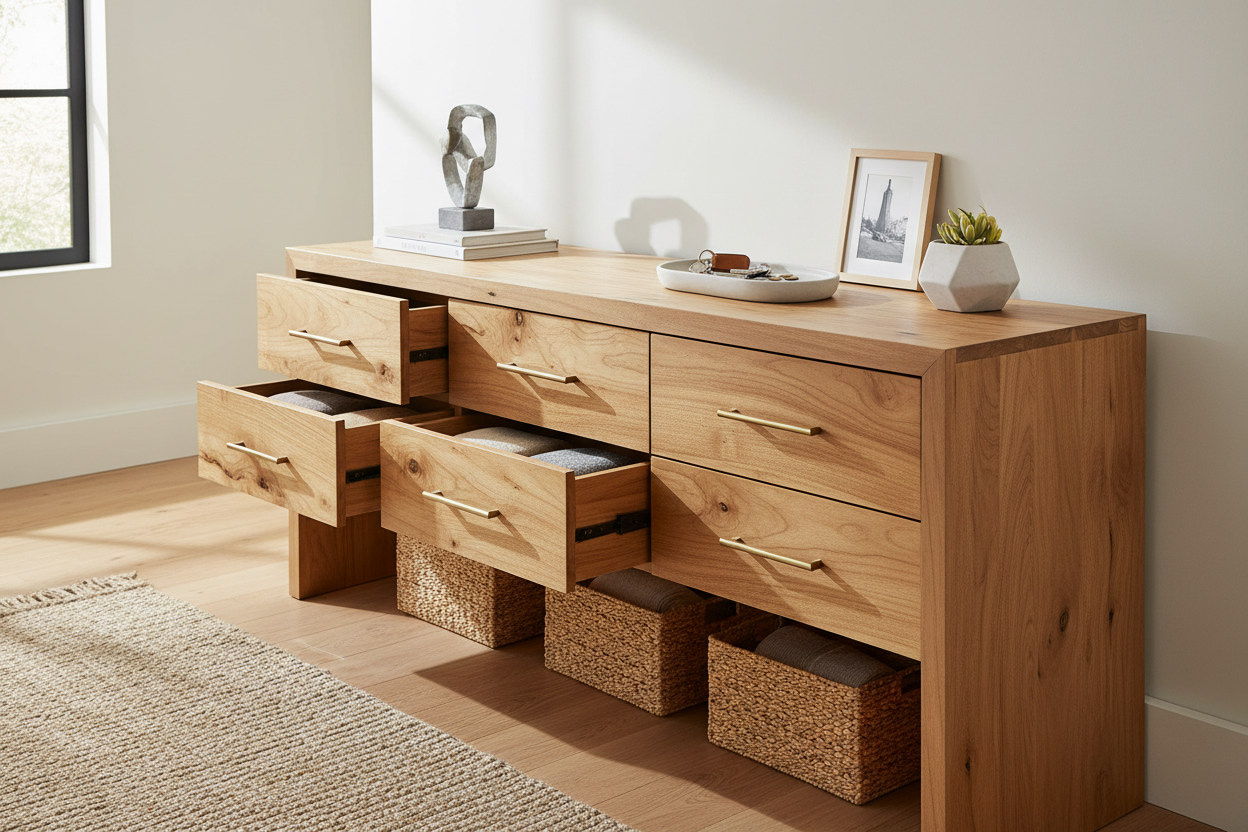
Open shelving looks beautiful in catalogs, but in practice, it often leads to visual noise. If you are prone to dropping items the second you walk in, an entry hall table with drawers is superior to a simple flat surface. Drawers provide a dedicated "hideaway" for items you need but don't want to see, like spare change, sunglasses, or charging cables. This keeps the top surface clear for purposeful decor like a lamp or a vase, rather than a pile of receipts.
I learned this lesson the hard way in my previous townhouse. I bought a sleek, glass-top table because it looked airy and modern. Within a week, the glass was covered in fingerprints and the shelf underneath became a graveyard for junk mail. I eventually swapped it for a robust front entry table with drawers. The difference was immediate. I could sweep the mail into a drawer if guests arrived unexpectedly, and the visual calm of the entryway made the whole house feel cleaner.
Choosing the Right Scale for Your Space
Scale is the most common mistake homeowners make. A piece that is too deep will make your hallway feel claustrophobic. If you are working with a narrow corridor, you need an entry walkway table specifically designed with a slim profile, usually under 12 inches deep. These tables hug the wall, allowing for easy traffic flow while still providing a surface for keys and a slender drawer for essentials.
Conversely, if you have a larger open area, a tiny table will look lost. Here, you might consider a hallway dresser table. These are substantial pieces that mimic the storage capacity of a bedroom dresser but are styled for common areas. They anchor the room and offer significant storage, which is particularly useful for households that lack a coat closet. You can store winter gloves, scarves, and even reusable grocery bags inside, keeping them right by the door where you need them.
Solutions for Tight Corners
For those dealing with awkward angles or very limited square footage, a small foyer table with drawer capability is essential. You don't need a six-foot-long console to get organized. A compact, half-moon table or a tall, narrow cabinet can serve the same purpose. The key is verticality. Look for an entrance way table with drawers stacked vertically rather than horizontally to maximize storage without eating up floor space.
The Mail Management Station
Paper clutter is the enemy of a peaceful home. Transforming your console into a dedicated entryway mail table can stop the paper trail before it reaches the dining room table. Look for a front door table with drawers that are wide enough to hold standard envelopes flat. Dedicate one drawer to "action items" (bills, forms to sign) and another to coupons or catalogs. If the table has a lower shelf, place a recycling bin in a woven basket underneath. This system allows you to sort mail the moment you walk inside, keeping the rest of your home paper-free.
Material Matters: Durability and Style
Your entry door table with storage sees high traffic. It gets bumped by groceries, scratched by keys, and occasionally leaned on. Fragile finishes or delicate veneers might chip quickly in this environment. Solid wood or metal-framed tables generally offer the best longevity. A rustic wood finish is particularly forgiving, as minor scratches often blend into the grain, whereas high-gloss lacquer will show every imperfection.
When selecting an entrance way table with drawers, check the hardware. You want drawer slides that operate smoothly. Since you will likely open these drawers multiple times a day, flimsy runners will become an annoyance very quickly. If you are looking at an entry foyer console table with cabinet doors, ensure the hinges are adjustable so you can keep the doors aligned over time.
Finding Budget-Friendly Options
Furniture can be expensive, but organizing your entry doesn't have to break the bank. Finding a cheap entryway table under $50 is possible if you know where to look. While solid oak is out of this price range, many retailers offer sturdy laminate or metal options that look surprisingly high-end. Flat-pack furniture has come a long way in terms of stability.
Another route is upcycling. A hallway entry table with drawers found at a thrift store can be revitalized with a coat of paint and new hardware. Often, older furniture has better structural integrity than new budget pieces. A quick sanding and a matte black or navy paint job can turn a dated piece into a modern statement front entrance table with storage.
Styling Your New Storage Hub
Once you have your hallway entry table with storage in place, the final step is styling. This isn't just about aesthetics; it is about dictating how the surface is used. If you leave the top completely empty, it invites clutter. Instead, place a tray or a bowl on the surface. This creates a psychological boundary—keys go in the bowl, not spread across the table. Add a lamp for height and warmth, and perhaps a mirror on the wall above to check your reflection before leaving. By intentionally styling your entrance way tables with storage, you signal to yourself and your family that this is a cared-for space, not a dumping ground.
Frequently Asked Questions
How tall should an entryway table be?
Most console tables range between 30 to 36 inches in height. This places the surface comfortably at hip level, making it easy to drop keys or pick up mail without bending over. If you plan to place the table behind a sofa in an open-concept entry, ensure the table is not taller than the back of the sofa.
How much clearance do I need for a hallway table?
You should maintain at least 36 inches of walking path between the table and the opposite wall to allow for comfortable movement. If your hallway is narrow, look for a table with a depth of 10 to 12 inches to prevent the space from feeling cramped or obstructing the flow of traffic.
Can I use a dresser as an entryway table?
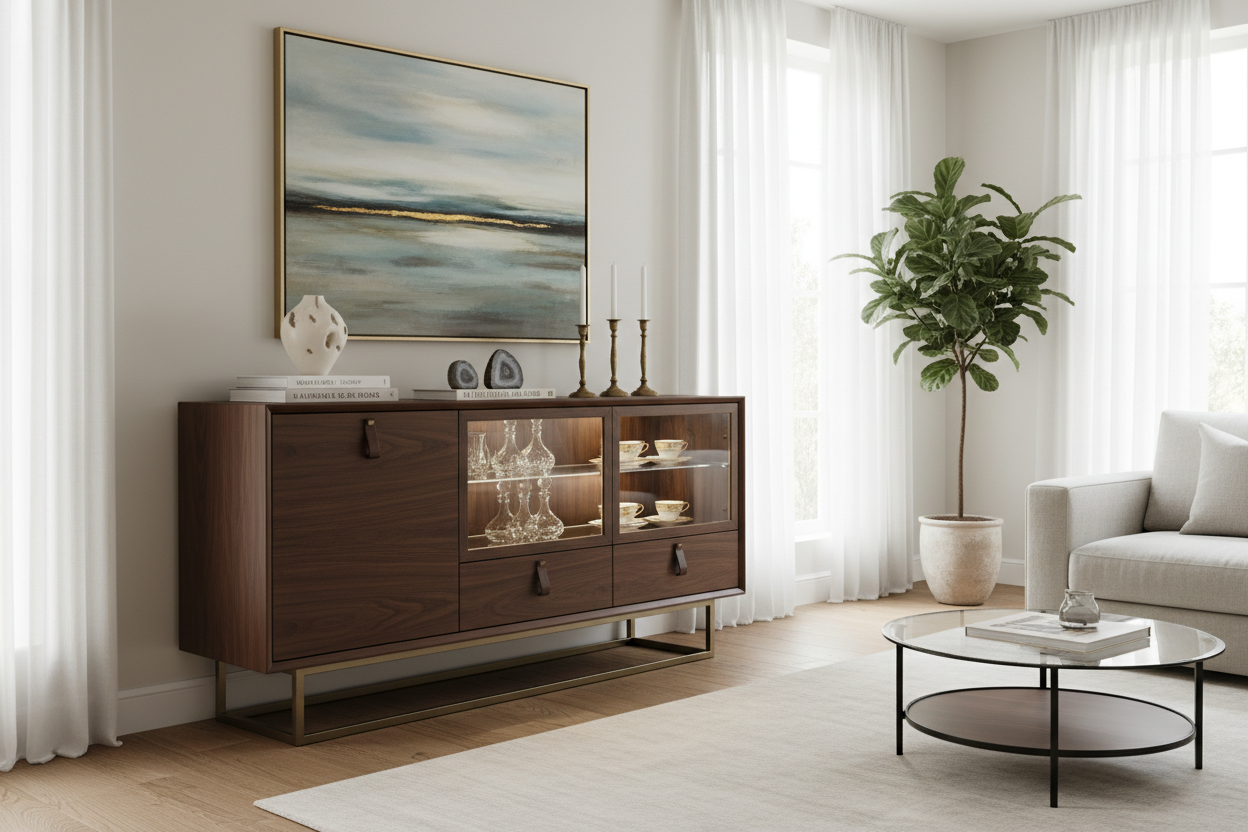
Absolutely, provided you have the space. A dresser offers significantly more storage than a standard console, making it ideal for hiding shoes, winter gear, and bags. Just ensure the depth of the dresser doesn't impede the door swing or the walkway.

Dejar un comentario
Este sitio está protegido por hCaptcha y se aplican la Política de privacidad de hCaptcha y los Términos del servicio.