










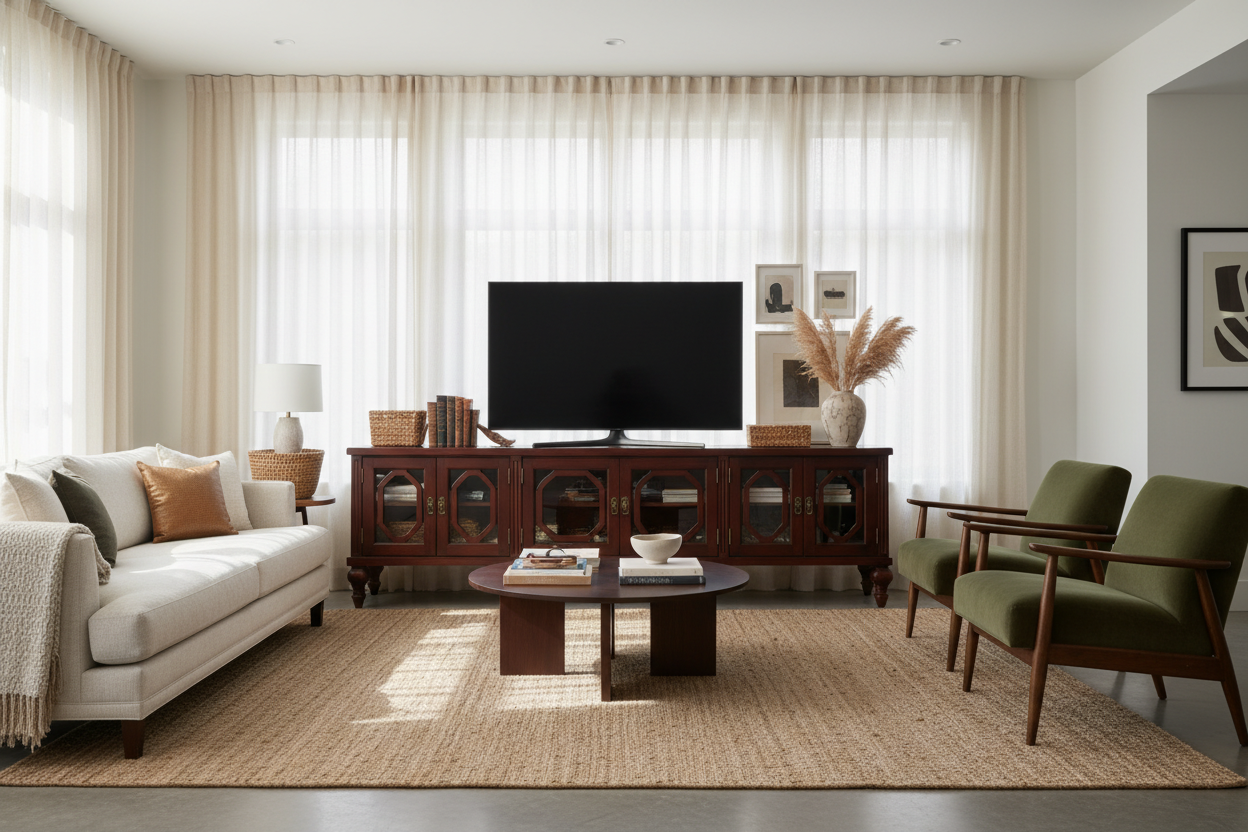
I remember staring at my first apartment's living room and realizing I had accidentally built a Best Buy showroom. I had a razor-thin black TV sitting on a thin black glass stand, and the whole place felt like a waiting room for a flight that was definitely delayed. It was cold, clinical, and honestly, a bit depressing. That was the day I realized traditional television stands aren't just for your grandmother’s house—they are the literal soul of a cozy, lived-in living room.
- Sleek tech needs heavy furniture to keep the room from feeling like an airport lounge.
- Wood grain and classic moldings provide the texture that flat screens lack.
- Traditional doesn't mean 'outdated'—it means choosing pieces with historical weight.
- If you can lift the stand with one hand, it’s probably not the grounding piece your room needs.
The 'Electronics Aisle' Problem in Modern Living Rooms
Most people buy a 65-inch 4K OLED and immediately think, 'I need something just as modern to hold it.' This is how you end up in the 'electronics aisle' trap. You buy a minimalist metal rack or a glossy white slab that looks like it belongs in a laboratory. It strips the warmth right out of the room. When everything in your sightline is futuristic and 'tech-forward,' nothing feels like home.
I’ve seen so many beautiful homes ruined by a TV area that looks like a server room. By matching tech with tech-looking furniture, you lose the chance to create contrast. You want your living room to feel like a place where people live, not just where gadgets are stored. Breaking up that sea of plastic and glass with a substantial piece of furniture is the first step toward a space that actually feels inviting.
The Magic of the High-Low (Tech-Classic) Mix
Design is all about tension. A massive, sleek black rectangle—which is what every TV is—needs a visual counterweight. A media console traditional in style provides that grounding. It’s the visual anchor that says, 'Yes, I have a TV, but I also have taste.'
By putting a high-tech screen on a piece of furniture with history and weight, you make the TV look like a deliberate part of your decor rather than a black hole sucking the life out of the wall. It’s that juxtaposition of the old and the new that makes a room feel curated. I personally love seeing a high-end soundbar sitting on a piece with crown molding; it makes the tech feel less like an intruder and more like a guest.
Why Traditional TV Stands Wood Finishes Fix Everything
Metal and glass are 'finished' materials; they don't change, they don't breathe, and they show every single fingerprint. But traditional tv stands wood finishes have depth. You get the knots, the grain, and the subtle variations that catch the light and add organic texture to your home. I’ve always argued that solid wood TV stands are worth it because they bring a sense of permanence that plastic furniture just can't replicate.
Wood grain acts as a neutralizer for the harsh glow of a screen. When the TV is off, you’re looking at a beautiful piece of craftsmanship. When it’s on, the wood frame around the tech softens the experience. Plus, let’s be honest: wood hides dust way better than that black tempered glass ever will. I once spent twenty minutes a day Windexing a glass stand; never again.
How to Shop for Traditional TV Consoles Without Looking Dated
To avoid the '1994 McMansion' look, you have to be picky about the details. Avoid the orange-toned oak or overly ornate, heavy carvings that feel suffocating. Instead, look for traditional tv consoles with bun feet, recessed panels, or dark brass hardware, but keep the overall silhouette relatively clean. It’s about the bones, not the clutter.
The goal is a piece that looks like it could have existed fifty years ago but still functions for today. Look for hidden wire management and adjustable shelving behind those classic doors. If you want to see what I mean by updated classics, you can browse classic TV stands that manage to look expensive and timeless without the 'antique store' smell. Aim for rich walnuts or muted cherries rather than the high-gloss finishes of the past.
My Strategy for Scoring High-Quality Traditional Pieces
My personal trick for finding traditional tv stands that actually last? Look for weight. If a console weighs 150 pounds, it’s going to feel permanent and high-end. I’ve had great luck shopping closeout TV stands to find those heavy, heirloom-quality pieces for a fraction of the price they’d go for at a boutique showroom.
I once made the mistake of buying a 'traditional' piece that turned out to be MDF with a sticker veneer. It lasted six months before the weight of my 75-inch TV bowed the top and the 'wood' started peeling at the corners. It was a waste of money. Now, I only look for pieces with real joinery and substantial hardware. If it feels like it could survive a move, it's worth the investment.
Will a traditional stand look weird with a modern TV?
Not at all. In fact, it’s the preferred look for most interior designers. The contrast between the sleek screen and the textured wood makes the TV feel like a piece of art rather than a piece of equipment.
What color wood should I pick for my media area?
Medium to dark tones like walnut, espresso, or a weathered charcoal usually play better with the black bezel of a TV. Avoid very light, honey-colored woods unless the rest of your room is very bright and airy.
How wide should the stand be compared to the TV?
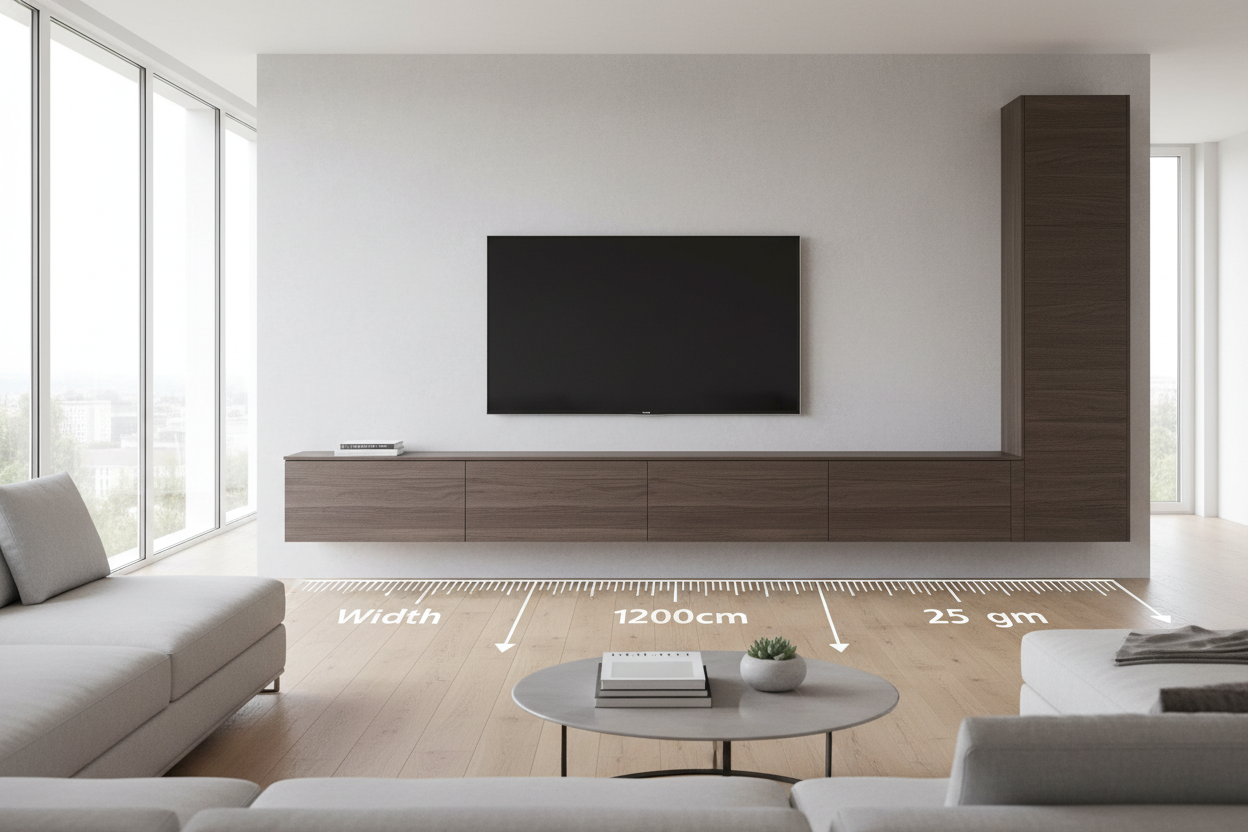
Always get a stand that is at least 6 to 10 inches wider than the TV itself. If the TV hangs over the edges or is exactly the same width, the whole setup looks top-heavy and cheap. Give your tech some breathing room.

Dejar un comentario
Este sitio está protegido por hCaptcha y se aplican la Política de privacidad de hCaptcha y los Términos del servicio.