










I used to spend my afternoons playing a losing game of 'musical chairs' with the sun. Every time 2:00 PM rolled around, a beam of light would hit my monitor like a laser, forcing me to shut the blinds and work in a depressing, artificial cave. That is when I realized the problem wasn't the sun—it was my lack of a light shelf.
- It stops the 'cave effect' by pushing light deeper into a room.
- It splits your window into a 'view zone' and a 'daylight zone.'
- White, high-gloss finishes are your best friend for maximum reflection.
- You don't need a contractor to fake the look with the right furniture placement.
Wait, What Exactly Is a Light Shelf?
It is not a place for your succulents or your cat, though I'm sure both would try to claim it. When people ask 'what are light shelves,' they are usually looking at a horizontal plane that cuts across a window. Imagine a deep windowsill, but instead of sitting at the bottom where you'd put a plant, it is about two-thirds of the way up the glass.
What is a light shelf? It is a redirector. Most residential light shelf setups are designed to split the window into two sections. The bottom part stays clear for your view of the backyard, while the top part—the clerestory section—is used to bounce light. Instead of letting the sun scorch your hardwood floors or fade your sofa, the shelf catches those rays and tosses them up toward the ceiling.
The Magic of Daylighting (And Why Architects Are Obsessed)
Architects love light shelf architecture because it solves the 'glare vs. glow' trade-off that plagues modern open-concept homes. If you look at a light shelf diagram, you will see the sun hitting the top of that shelf and ricocheting. This is light shelf daylighting at its best—it turns your ceiling into a massive, soft light bulb.
In a standard room, light drops off significantly just five feet away from the window. By utilizing an architectural light shelf, you can push usable natural light 15 to 20 feet back. It is a subtle architectural light shelf trick that makes a room feel twice as large because the corners aren't swallowed in shadows. This light shelf design is basically a low-tech way to save on your electricity bill while making your home look like a high-end gallery.
Exterior vs. Interior Light Shelves: Which Do You Need?
An exterior light shelf is basically a sunshade that also happens to be a mirror. It is great because it blocks the high-angle summer sun before it even hits the glass, keeping your house cool. However, exterior light shelves are a pain to install on an existing home. You have to worry about wind loads, snow, and birds making a nest on your expensive light shelf window.
Interior light shelves are much more DIY-friendly. While interior light shelves won't block the heat as effectively as an outside version, they are masters at maximizing the inward bounce. When looking at light shelves in building design, the best results often come from a shelf that extends both inside and out, but for a retrofit, a simple interior light shelf detail made of lightweight materials will do 90% of the work.
Let's Talk Materials and UV Wear
Your light shelf material choice is the difference between a bright room and a dusty piece of wood. The top surface must be highly reflective. I have seen people use polished aluminum, but a high-gloss white paint is often the most practical light shelves material for a residential setting. It is easy to clean and doesn't look like a piece of industrial equipment in your living room.
Just be careful with light shelf wear. Direct UV exposure for 10 hours a day is brutal. Cheap plastics will yellow and crack within two years, and low-quality veneers will peel. If you are building one, use a heat-resistant light shelf design. I personally prefer using a composite core with a high-pressure laminate top—it handles the sun's heat without warping into a taco shape, which is exactly what happened to my first prototype.
Can't Alter Your Windows? How to Fake the Glow
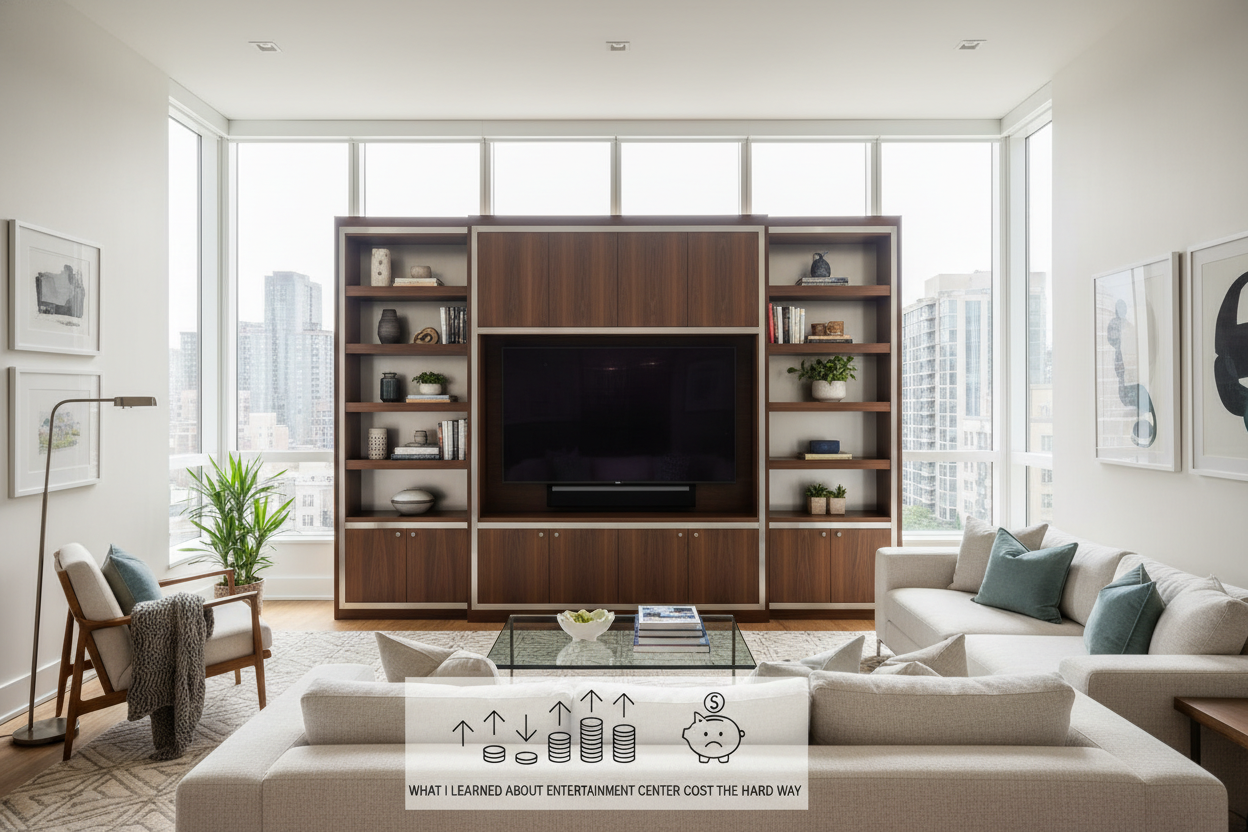
If you are renting or your windows just aren't shaped for a permanent install, you can still play with light shelf architecture principles. I have had success placing a tall bookcase with dual cabinets perpendicular to a south-facing window. The white sides of the unit act as a vertical light shelf, bouncing side-glare into the room rather than letting it get absorbed by dark paint.
You can also use adjustable shelf storage units placed directly under a window to act as a 'low' light shelf, though the effect isn't as dramatic as the high-mount version. If you are more interested in the aesthetic than the physics, I actually wrote about how my floating shelf lighting looked cheap until I did this, which covers how to use LED strips to mimic that architectural 'glow' when the sun goes down. It is all about how you direct the eye—and the light.
Do light shelves work on north-facing windows?
Not really. You need direct, high-angle sunlight to get the 'bounce' effect. On a north-facing window, a light shelf just becomes a very high dust collector.
How high should I mount my interior light shelf?
Usually, you want it about 7 feet up, or at least 6 inches above eye level. You want to see the light bouncing off the ceiling, not the bright, reflective top of the shelf itself.
Will a light shelf make my room hotter?
An interior one won't change the temperature much, but it won't help it either. If heat is your main problem, you need an exterior light shelf or high-performance window film.

Dejar un comentario
Este sitio está protegido por hCaptcha y se aplican la Política de privacidad de hCaptcha y los Términos del servicio.